2026 Driver Education Round 1
2026 Driver Education Round 1
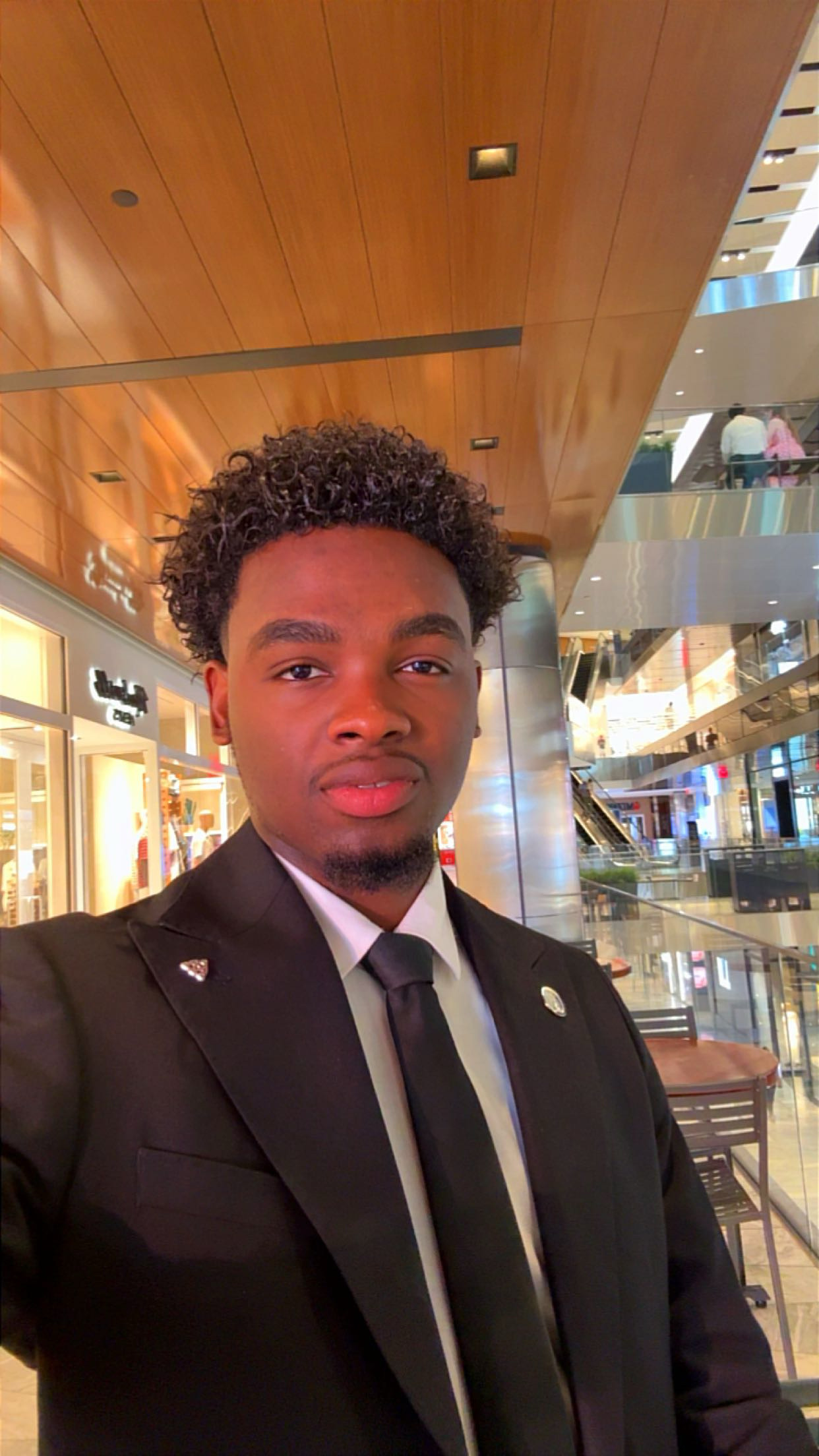
Carl-Handy Abraham
Brooklyn, New York
Driving is a privilege that comes with a great deal of responsibility. Every time someone gets behind the wheel, they are responsible not only for their own safety but also for the safety of everyone else on the road. Unfortunately, thousands of people lose their lives in traffic accidents every year because of preventable mistakes such as distracted driving, speeding, driving under the influence, or simply not paying attention. I believe driver education plays a major role in reducing these deaths because it teaches people the knowledge, skills, and responsibility they need to make smart decisions while driving. My own experience with a distracted driver showed me just how quickly an accident can happen and why staying focused behind the wheel is so important.
Driver education is important because it teaches new drivers much more than just how to operate a vehicle. It helps drivers understand traffic laws, road signs, defensive driving techniques, and how to react in dangerous situations. More importantly, it teaches drivers that every decision they make has consequences. Looking at a phone for a few seconds, speeding to save a minute, or running a yellow light may not seem like a big deal at the moment, but those actions can easily lead to a serious crash. Good driver education encourages people to think ahead, stay alert, and understand that safe driving is a responsibility they should take seriously every single day.
Another reason driver education is so valuable is that it helps people recognize risky behaviors before they become habits. Many accidents happen because drivers become overconfident after they have been driving for a while. They might think it is safe to text at a stoplight, check social media while driving, or speed because they have never been in an accident before. Driver education reminds people that accidents often happen when they least expect them. Even experienced drivers need to stay focused because they cannot control what other people on the road will do. Learning about real-life accidents and understanding the consequences of careless driving helps people make better decisions every time they get behind the wheel.
There are many steps that can be taken to reduce the number of deaths related to driving. One of the most important is eliminating distracted driving. Cell phones have become one of the biggest distractions on the road today. Texting, scrolling through social media, changing music, or even making phone calls can take a driver's attention away from the road for several seconds. Those few seconds are enough for a vehicle to travel hundreds of feet without the driver fully paying attention. Drivers should always put their phones away before starting the car or use hands-free features only when absolutely necessary.
Another important step is following traffic laws. Speed limits exist for a reason, and driving too fast reduces the amount of time a driver has to react to unexpected situations. Wearing a seat belt every trip, even for short drives, is another simple action that saves lives. Drivers should also avoid driving under the influence of alcohol or drugs because impaired judgment and slower reaction times greatly increase the risk of serious accidents. In addition, drivers should always stay alert, avoid aggressive driving, keep a safe following distance, and watch for pedestrians, cyclists, and other vehicles. These simple habits can make the roads much safer for everyone.
One experience completely changed the way I think about distracted driving. I was driving on the road when an older man came off the highway and suddenly merged into my lane. It happened so quickly that I had to react immediately to avoid hitting him. For a moment, I was shocked because I couldn't understand why he had moved over without paying attention to the traffic around him. Later, I realized that he had been looking down at his phone while driving. That realization stayed with me because it made me understand how dangerous distracted driving really is.
Before that experience, I knew that using a phone while driving was dangerous because I had heard about it in driver's education classes and seen advertisements about distracted driving. However, experiencing it myself made the lesson much more personal. In just a few seconds, that driver's decision to look at his phone almost caused a serious accident. Thankfully, I was paying attention and was able to avoid a collision, but the outcome could have been much worse if I had been distracted too. That moment reminded me that every driver has to stay focused because we cannot assume everyone else on the road is making safe decisions.
Since that day, I have become much more aware of my own driving habits. I make it a priority to keep my phone out of my hands while driving. If I need directions, I set my GPS before I start driving. If I receive a text message or phone call, I wait until I can safely pull over or reach my destination before responding. I also try to stay calm in traffic, follow the speed limit, wear my seat belt every time I drive, and leave enough space between my vehicle and the one in front of me. These habits may seem simple, but they greatly reduce the chances of being involved in an accident.
I also believe that being a safe driver means encouraging others to drive safely. If I am riding with a friend or family member and I notice they are using their phone or becoming distracted, I will politely remind them to focus on the road. While these conversations may sometimes feel uncomfortable, I believe speaking up is better than staying silent if it could prevent an accident. We all have a responsibility to look out for one another and encourage safe driving habits.
In the future, I plan to continue learning and improving as a driver. Even experienced drivers can benefit from reviewing safe driving practices and staying informed about new traffic laws and technology. Driving safely is something that requires constant attention and good judgment. Every trip, whether it is five minutes or five hours, deserves the same level of focus and responsibility.
In conclusion, driver education is one of the best ways to reduce the number of deaths caused by driving because it teaches people both the skills and the mindset needed to make safe decisions. There are many ways to make our roads safer, including avoiding distractions, following traffic laws, wearing seat belts, and never driving under the influence. My experience with a distracted driver who nearly merged into my lane because he was looking at his phone taught me a lesson that I will never forget. It showed me how quickly an accident can happen and reinforced the importance of always paying attention while driving. As I continue driving, I will do my best to stay focused, make responsible decisions, and encourage others to do the same. By working together and taking driving seriously, we can help reduce accidents and save lives.
Content Disclaimer:
Essays are contributed by users and represent their individual perspectives, not those of this website.