Arriving Safely Doesn't Always Happen by Chance
2026 Driver Education Round 2

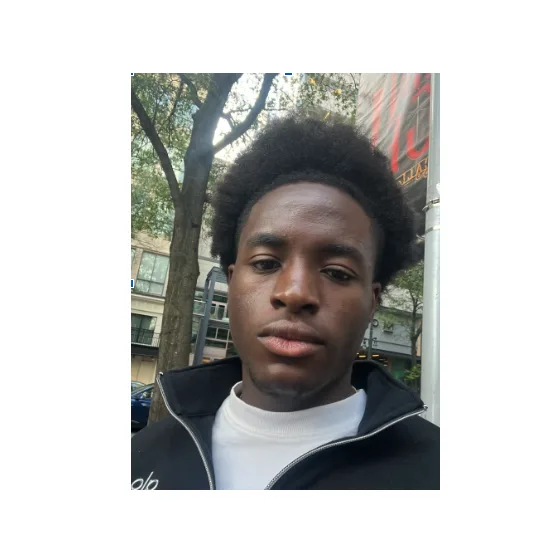
Silas Robinson
Spring Hill, TN
Arriving Safely Doesn't Always Happen by Chance
Most of us learn to drive at sixteen, and most of us remember the feeling. When the car rolls out of the driveway with no parent’s hand hovering near the dashboard, it feels like freedom. What we rarely think about in that moment is that we are now operating a machine weighing two tons, capable of high speeds, surrounded by other people doing the same thing. Driving is one of the ordinary things we do and one of the most dangerous. The difference between a trip and a tragedy is often not the car or the road but the decisions the driver makes and the distractions they avoid in a single moment.
Among those distractions, none has become more dangerous than the choice to look at a phone. Distracted driving is so common that it has almost become invisible. We often can see drivers glancing down at lights or scrolling at stop signs, yet we never react, partly because many of us have done it ourselves. Reading or sending a text takes your eyes off the road for five seconds. At 55 miles per hour, that is time to travel the length of a football field. No one would knowingly drive blindfolded down a highway. That is effectively what we do each time we decide a notification can’t wait.
What makes distraction tricky is that it feels harmless right up until it isn’t. Every driver who has looked at a phone has gotten away with it hundreds of times, and each time teaches the brain a false lesson: that the risk is exaggerated. The danger doesn’t shrink just because nothing has happened yet. We are simply collecting luck, and luck is not a safety strategy. A crash doesn't care what time it is, or that you were only checking one message.
Distraction is not entirely the threat itself, but it points to something bigger: safe driving is mostly decided before the car ever moves. Buckling a seatbelt, setting a route, or silencing a phone are all small choices made in the driveway, and they quietly determine what happens on the road. The same is true of major causes of crashes. Drowsy driving slows reaction time in ways similar to alcohol. Speeding shortens the time you have to respond and increases the force of any impact. Driving under the influence removes judgment entirely. Each of these is a choice, which means each is preventable. That is both the hopeful and the most sobering fact about road safety: most crashes are not acts of fate.
This is why I believe the effective safety feature in any vehicle is not the airbag or lane assist, valuable as they are, but the driver’s mindset. Technology can soften the consequences of a mistake. It cannot replace attention. In fact, as cars add screens and more automation, there is a growing temptation to trust the vehicle to pay attention for us. Driver-assistance features are designed to assist a human being, not replace one. Responsibility still sits in the driver’s seat.
Young drivers have a role to play. Teenagers and young adults are statistically more likely to be involved in crashes because of inexperience and partly because we grew up with smartphones as an extension of ourselves. That can feel like a label; however, I see it as an opportunity. Our generation is also best positioned to change the culture around phones in cars. Habits spread through peer groups. When one friend says, "I’ll text you when I park," or a passenger offers to handle the music or navigation, safe behavior becomes the norm. Social pressure has made drunk driving less acceptable than it once was, and the same shift is possible for distracted driving.
Culture changes through repeated actions, so I personally make those choices visible to those around me. I speak up when I’m a passenger and the driver is distracted, even though it can be uncomfortable. I give drivers extra space because I can’t know what’s happening inside their cars. I actively check that all passengers in the vehicle are buckled up. None of these actions are dramatic, because safety rarely is. It is built from habits practiced consistently until they stop feeling like effort and start feeling like who you are.
Driving will always carry some risk, and no one can eliminate it. We can minimize a surprising amount of it. Every trip is a chance to choose attention over convenience, patience over speed, and caution over habit. The people sharing the road with us, whether strangers, classmates, or families heading home, depend on those choices, whether they know it or not. Arriving safely is not luck. It is a responsibility we accept every time we put a hand on the wheel, and one worth taking for ourselves and for everyone else on the road.
Content Disclaimer:
Essays are contributed by users and represent their individual perspectives, not those of this website.