Automotive Decision Making
2026 Driver Education Round 2
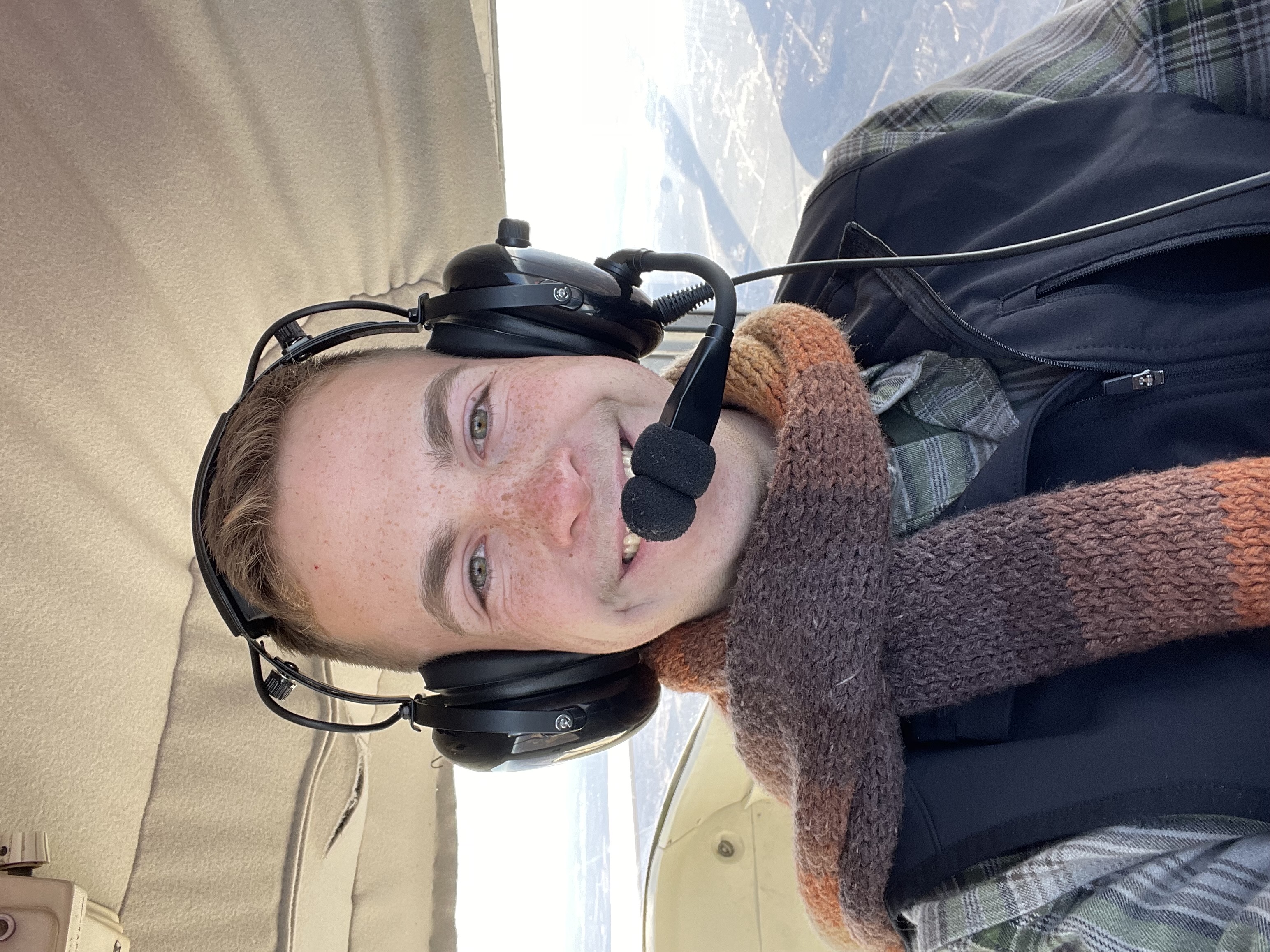
Benjamin Steel
Bixby, Oklahoma
Benjamin Steel
Drivers Education Scholarship
Scholarship Essay
17 November 2026
“We would like to go ahead and declare an emergency for Cherokee 4162. We’re losing our engine; I don’t know if we’re going to make the airport! We’re going down on I-10!” These were the words spoken by a twenty-one-year-old flight instructor in Pensacola, Florida, while she was making the very decision that would mean the difference between life and death for herself, her student, and others on the ground. Up in that plane, the entire world sharpens. Every noise, every sight, every feeling intensifies. In an instant, breathing and heart rate shoot through the roof. The mind races ahead, analyzing the entire situation while still trying to process what has just happened. Then a complete, eerie calm settles like a blanket over the pilot and the aircraft, and the next steps become as clear as the crisis unfolding all around. Fly. The. Plane.
What does any of this have to do with driving? In 2023, only thirty-three plane passengers were injured over 773 billion total miles of air travel. Put a little differently, a person could circle the globe 940,000 times for only one airplane injury (USAFacts). Despite this information—of which most Americans are well aware—why are people in general more scared to board an airliner than to get into a car? Anyone who has learned how to drive knows that the course of study and the test required to receive a driver’s license not only differ from state to state in how rigorous they are, but also in how instructors teach students to drive. Even the test itself focuses mostly on the exact, proper performance of driving maneuvers and very little on active decision-making. Other than the fact that most people do not fly every day, the deeper
reason for this fear is that, as a nation, we do not fully understand the level of trouble we can get ourselves into when we mess up on the road. Every time the key is turned in a car, there is a chance that someone could not only lose his or her life but could easily take the life of someone else. Cars can, in an instant, change the entire story of countless people and cause unbelievable heartache and suffering. With an average of one person losing a life every twelve minutes on U.S. roadways and countless others injured, how do we begin to change the atmosphere of driving into a significantly more safety-conscious environment?
I learned to fly at sixteen years old, at the same time I was learning to drive. I had my heart set on flying from the age of four and worked hard to pay for my training. In finally getting to learn how to fly, I was privileged to witness the sharp difference between the processes of driving and flying. In the car, I was taught by an instructor simply how to drive. In the little Cessna 172 I flew, my instructor drilled into me three words: “Fly. The. Plane.” Emergency? Fly. The. Plane. Too overloaded with information? Fly. The. Plane. When everything falls apart around you, Fly. The. Plane. Those three words form the basis of a decision-making process that forces a pilot to constantly ask, “What if . . . ?” Aviation is about leaving as many options open for yourself and the airplane as possible. In aviation we say that anyone can fly a plane—and that is true. I have taken middle-schoolers on joy rides with their parents, and it is amazing how quickly even they catch on to the basics of flying. The hard part of aviation is the decision-making and learning an entirely different way to operate. Likewise, anyone can drive a car. But a good driver is one who can leave as many options open as possible.
How can the atmosphere around driving change? It starts with the training. New drivers should be taught a lot more than how to simply operate the vehicle or navigate. They should be taught how to keep as many options open as possible, to do nothing else other than drive the car,
and to always ask the question, “What if . . . ?” What if the car in front of me hits black ice—am I following far enough away to be safe? What if the car speeding up behind me loses control? What lane gives me the most options, the most space, and the most time? What if an airplane falls from the sky, dives under the overpass, and lands on the roadway? This is exactly what happened in Pensacola, Florida, with that twenty-one-year-old flight instructor. She, her student, and the airplane all survived without injury because she never stopped flying the plane. She left all her options open for as long as she could. When the world around her turned into a series of life-and-death decisions, she was able to follow an aeronautical decision-making process that saved lives.
Just like that flight instructor, as drivers we should all be following an “automotive decision-making process.” I believe that this slight adjustment in mindset and training would save countless lives across the country and would truly establish a culture of safety in the world of driving.
Works Cited
USAFacts. “Is Flying Safer Than Driving?” USAFacts, 18 Dec. 2023, usafacts.org/articles/is-flying-safer-than-driving/.
Content Disclaimer:
Essays are contributed by users and represent their individual perspectives, not those of this website.