Behind the wheel
2026 Driver Education Round 2
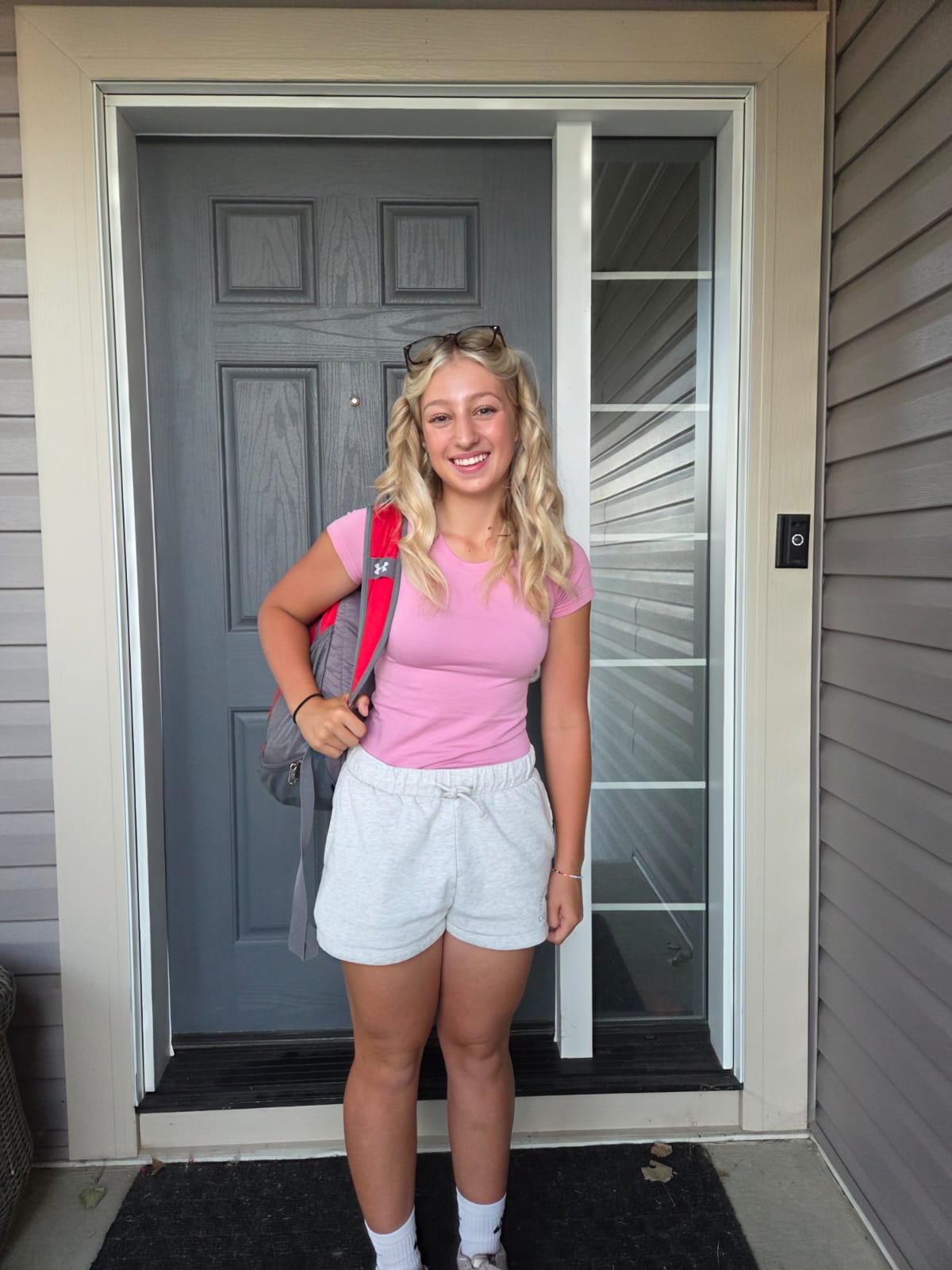
Ali Norris
Lethbridge, AB
Getting your driver's license is one of the most exciting milestones as a teenager. It means freedom, independence, and no longer having to rely on your parents to drive you everywhere. Whether it's going to school, meeting friends, heading to work, or travelling to sports practices, having a license makes life so much easier. But with that freedom comes a responsibility that I think many young drivers, including myself, don't always fully appreciate at first. Driving isn't just about getting from one place to another. It's about understanding that every decision you make behind the wheel can affect your life and the lives of everyone around you.
As a 17-year-old driver, I've learned that driving is a privilege, not something we should take for granted. When I first started driving, I was mostly excited about the independence it would give me. But the more experience I've gained, the more I've realized just how much responsibility comes with it. Every time I get behind the wheel, I'm responsible for my own safety, my passengers, and everyone else sharing the road. Other drivers, pedestrians, and cyclists are all counting on me to make safe decisions, just as I'm counting on them.
One of the biggest dangers on the road today is distracted driving. Growing up with technology, teenagers are used to having their phones with them constantly. It can be tempting to glance at a text message, change a song, or check a notification while driving. It might seem harmless because it only takes a second, but that second could change someone's life forever. If you're travelling at highway speeds, even a few seconds of distraction means covering a significant distance without watching the road. In that time, another vehicle could suddenly brake, an animal could run onto the highway, or a pedestrian could step into your path. No message or notification is important enough to risk someone's life.
Speeding is another serious concern, especially among younger drivers. Sometimes people speed because they're running late, while others do it because they enjoy the excitement or feel confident in their driving abilities. However, the faster a vehicle travels, the less time the driver has to react to unexpected situations. Speed also increases the force of a collision, making serious injuries or fatalities more likely. Even driving slightly above the speed limit can make a difference when road conditions aren't ideal.
Living in southern Alberta, I know how quickly driving conditions can change. One minute the roads can be clear, and the next you could be dealing with blowing snow, icy highways, strong winds, or reduced visibility. I've learned that being a responsible driver means adjusting to those conditions, even if that means driving much slower than the posted speed limit or deciding not to travel at all. Arriving late is frustrating, but it is nothing compared to the consequences of losing control of your vehicle.
Another form of negligence that can have devastating consequences is driving under the influence of alcohol or drugs. As teenagers, we sometimes find ourselves in social situations where there is pressure to fit in or make decisions without thinking about the consequences. Choosing to drive impaired, or getting into a vehicle with an impaired driver, can be one of the most dangerous decisions a person makes. Alcohol and drugs affect judgment, coordination, concentration, and reaction time. Even if someone believes they are okay to drive, their ability to respond to an emergency may be seriously affected. I believe it's important to have the confidence to say no, arrange a safe ride, or speak up when someone else is making a dangerous choice.
The consequences of negligent driving extend far beyond traffic tickets, fines, or higher insurance costs. A serious collision can result in permanent injuries, disabilities, criminal charges, or the loss of someone's life. It can affect families emotionally, financially, and physically for years. Someone who was simply driving home from work or walking across the street could have their entire future taken away because another person made a careless decision.
I think about how much time and effort I've put into my education and athletics. Over the past few years, I've worked hard to improve my golf game while maintaining good grades, and I'm excited to play golf at Freed-Hardeman University in Tennessee the fall of 2027. I have goals for my education, my athletic career, and my future profession. It is scary to think that one careless decision behind the wheel, whether mine or someone else's, could take those opportunities away in an instant. Every person on the road has their own goals, dreams, family, and future, and we all deserve the chance to experience them.
Something else that concerns me is how easily people can become overconfident behind the wheel. After driving for a while, it's easy to become comfortable and start developing bad habits. Maybe you stop checking your blind spots as carefully, follow other vehicles too closely, don't stop fully at a stop sign or assume you can safely multitask. The problem is that being comfortable doesn't mean you're immune to making mistakes. Even experienced drivers can cause serious collisions when they stop paying attention. I believe being a good driver means continuing to learn, staying alert, and never assuming that nothing bad can happen to you.
There are also serious emotional consequences that people don't always consider. Imagine causing a collision because you were texting or speeding and then having to face the family of someone who was injured or killed. The guilt and regret could stay with you for the rest of your life. You might lose your license, face legal consequences, or struggle financially, but none of those things compare to knowing that your actions permanently changed another person's life. A moment of carelessness can create a lifetime of pain for multiple families.
For me, being a responsible driver means making good choices before I even start my vehicle. It means putting my phone away, wearing my seatbelt, following traffic laws, staying focused, and allowing enough time to reach my destination safely. It also means recognizing when I'm too tired to drive or when weather conditions make travelling unsafe. I believe responsibility extends to being a passenger as well. If someone I'm riding with is speeding, distracted, driving dangerously or under the influence of drugs or alcohol, I need to have the confidence to speak up, even if it feels awkward.
Ultimately, having a driver's license is an amazing privilege, but it comes with serious responsibilities. Every time we drive, we are making decisions that could protect or endanger the people around us. As a young driver, I know I still have a lot to learn, but I also know that safe driving starts with respecting the responsibility I've been given.
One of the biggest lessons I've learned is that no destination, text message, or moment of excitement is worth risking a life. Everyone sharing the road deserves to make it home safely to the people who care about them. Driving responsibly isn't just about protecting myself or avoiding a ticket. It's about respecting other people's lives, futures, and families. At the end of the day, getting somewhere a few minutes late will always be better than making a decision that could mean someone never gets home at all.
Content Disclaimer:
Essays are contributed by users and represent their individual perspectives, not those of this website.