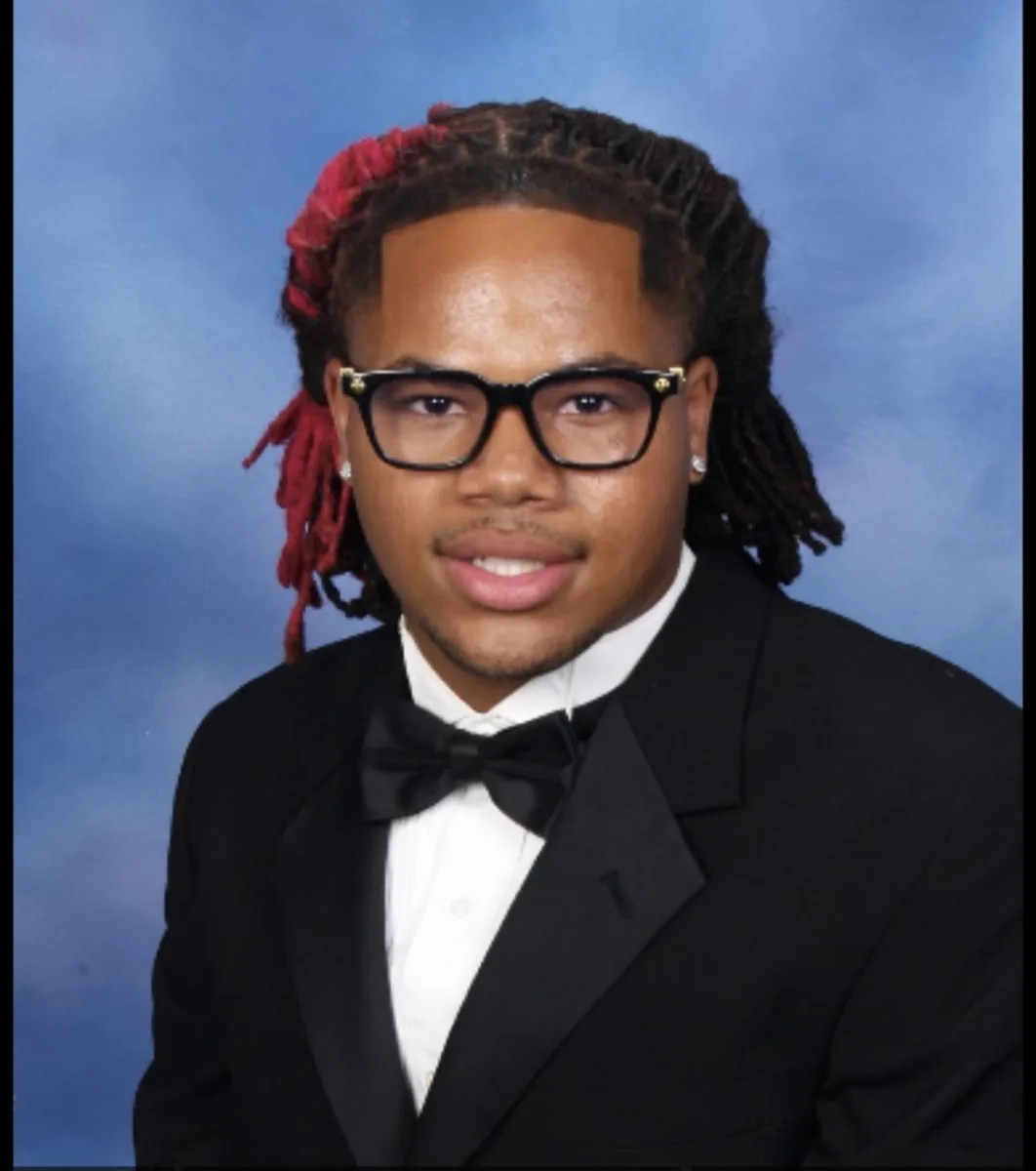
"Being a Driver Isn't Just About You"
2026 Driver Education Round 2

Paige McLaughlin
Woodbridge, Virginia
Getting my driver's license at 16 gave me a kind of freedom I had never experienced before. I could drive myself to work, go places without always relying on my parents, and push myself outside my comfort zone. At first, I was nervous and timid behind the wheel, but the more I drove, the more comfortable I became. My dad always taught me to be a defensive driver, and I understood that paying attention to the road was important. However, understanding safe driving and experiencing how quickly things can go wrong are two different things. A close call I had while driving my Mustang taught me just how much responsibility comes with being behind the wheel. It reminded me that being a good driver is not only about knowing the rules or feeling confident. It is about staying alert, thinking ahead, and being prepared for the unexpected because you cannot control the decisions other drivers make.
A few months ago, I was driving to work at a baseball game in an area I had never been to before. I was a little nervous, so I had my music turned up to help me relax. As I approached an intersection with a four-way traffic light, I noticed a car waiting to turn right that was slowly creeping forward. I was watching the driver, but they seemed not to see me as I continued straight through the intersection. The car almost hit the side of mine, so I slammed on my horn and swerved to avoid being hit. In the process, I did not realize another car was beside me in my blind spot. That driver honked, and when I tried to move back into my lane, I nearly swerved into the guardrail. Everything happened within seconds. I was trying to avoid one collision, but my reaction almost put me in another dangerous situation. Because I was driving my convertible with the top down, I kept thinking about how badly I could have been hurt if I had lost control or hit the guardrail. I was shaking and almost crying when I called my parents. My mom was frightened because she initially thought I had been in an accident, and my dad wanted to know exactly what happened. They reassured me and reminded me why they had always taught me to drive defensively. Afterward, I turned my music down, and the drive suddenly felt much more serious. I was not embarrassed; I was scared and frustrated by how easily another driver's lack of attention could have put my life in danger. That experience made the importance of defensive driving feel real to me in a way that advice alone never could.
To me, defensive driving means keeping a safe distance from other vehicles, checking your blind spots, paying attention to your surroundings, and leaving enough room to react when something goes wrong. It also means understanding that other drivers might speed, tailgate, turn without seeing you, or make unexpected decisions. You cannot assume someone sees you just because you can see them. Since my close call, I have been especially cautious around drivers who are turning or entering the road. When it is safe to do so, I give them more space instead of assuming they will wait for me to pass. I also make a point of checking my blind spots when changing lanes and staying aware of the vehicles around me. I believe one of the biggest mistakes young drivers make is becoming too confident too quickly. After driving for a few months, it can be tempting to think you have everything figured out, but confidence can become dangerous when it leads to speeding, tailgating, or reckless decisions. Peer pressure can make the problem worse. If someone behind you is impatient or tailgating, you should not feel forced to speed just to make them happy. If another driver wants to go faster, they can pass when it is safe and permitted. Your responsibility is to follow the rules and protect yourself and others, not to satisfy someone else's impatience.
Distractions are another major threat to safe driving. I have a hard time understanding how people can text or scroll through social media while driving because so much of driving depends on noticing what is happening around you. Looking at a phone takes your attention away from the road, even if you think you can handle both at once. Music is not automatically a problem, but it can become distracting if it is too loud or if you focus more on changing songs, singing, or dancing than on driving. Choosing a playlist before leaving is a simple way to avoid unnecessary distractions. Passengers can help with directions or music, too, but they should never pressure a driver into unsafe behavior. If something needs your attention, it is better to pull over somewhere safe before dealing with it. Driver's education teaches teenagers important rules and expectations, but new drivers also need to understand that they share the road with people whose behavior they cannot control. Knowing the rules is only part of being a safe driver. Patience, awareness, and good judgment are just as important because even if you do everything correctly, another person might not. Safe driving matters to me because I believe it is unfair for someone to be seriously injured or lose their life because another driver chose to be reckless. Everyone deserves to reach their destination without someone else's careless decisions putting them at risk. Driving is a privilege, and having that privilege means accepting responsibility for your choices.
My close call did not take away my desire to drive. Having my license still gives me independence, helps me get to work, and allows me to experience new things. Instead, it reminded me that independence comes with responsibility and that a few seconds of impatience are never worth risking a life. If I could give one piece of advice to someone who just received their driver's license, it would be to stay alert, drive defensively, and never let another person's behavior determine your decisions. Do not speed because someone is tailgating you, do not look at your phone because a message comes through, and do not assume every driver around you is paying attention. Follow the rules even when other people get frustrated. Their impatience is not more important than your safety, and you are not responsible for making reckless drivers happy. You are responsible for the choices you make behind the wheel and for doing your part to protect everyone on the road. You cannot control every driver, every mistake, or every unexpected situation, but you can control how you respond. One careless decision can change a life forever, so do not wait until you experience a close call to take safe driving seriously. Be responsible, stay alert, and choose to be the defensive driver who helps prevent an accident rather than the one who causes it.
Content Disclaimer:
Essays are contributed by users and represent their individual perspectives, not those of this website.