Don't Forget to Look Right
2026 Driver Education Round 2
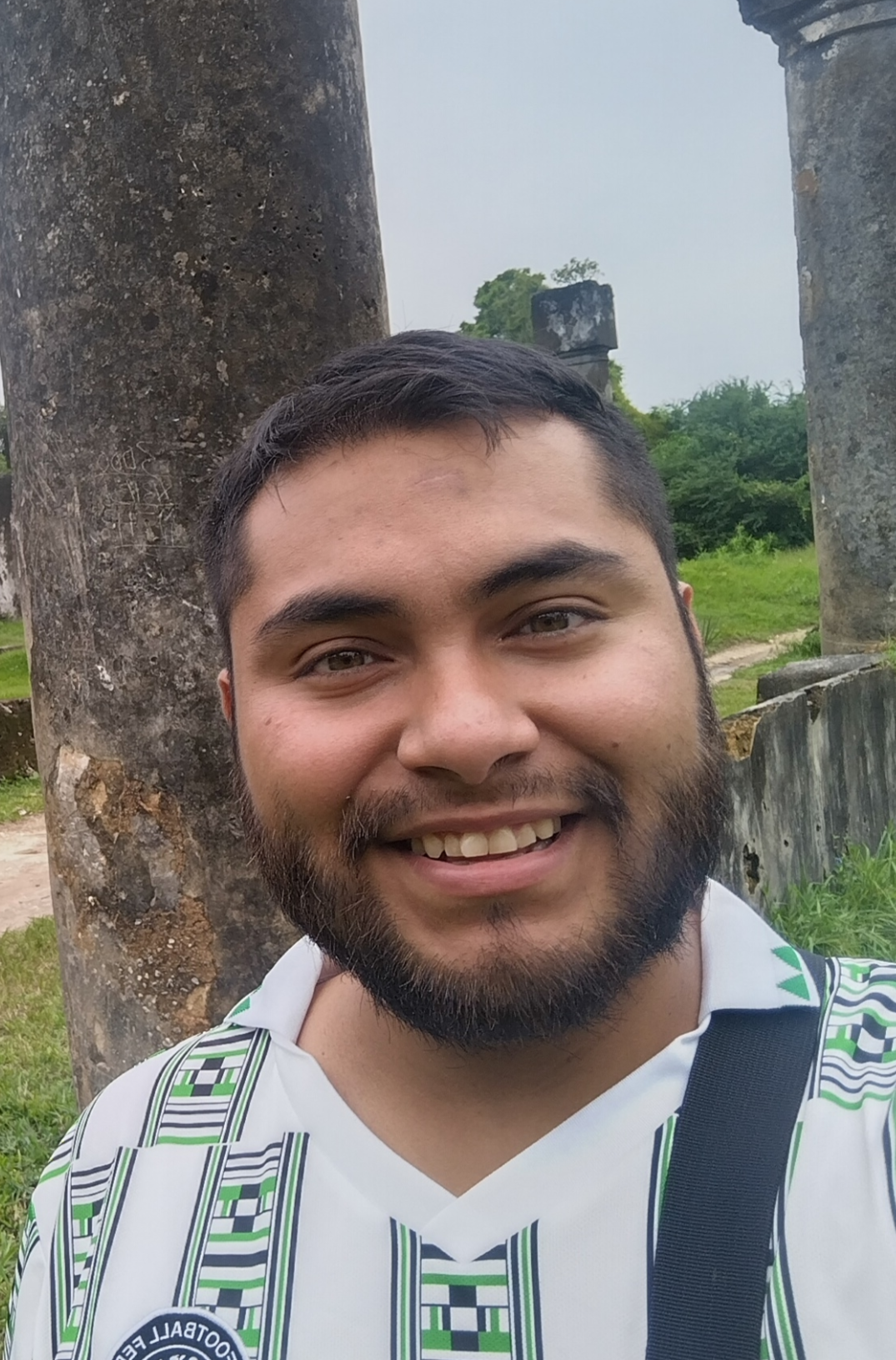
David Alfonso Ortiz
El Paso, TX
For twelve years, I have driven a city bus. Over those years, I have spent thousands of hours watching traffic and noticing things that many drivers miss. One of the biggest problems I see happens almost every day. Drivers make a right turn without looking to their right.
I see it happen all the time. A driver pulls up to a red light or stop sign and wants to turn right. They look left to make sure no cars are coming, wait for an opening, and then hit the gas. What they forget is to check the crosswalk on their right. There could be someone crossing the street, a child riding a bike, or a person walking around the corner. The driver is so focused on avoiding traffic that they forget to look for the people who could be in their path.
From my seat on the bus, I have seen plenty of close calls. A pedestrian suddenly stops in the middle of a crosswalk, or a driver slams on the brakes just in time. Sometimes people yell or honk, then go on with their day without realizing how close they came to an accident. Most of the time, everyone walks away safely, but it only takes one mistake for that to change.
Driving a bus has taught me two important rules. The first is that if you cannot do something safely, do not do it. If I am not sure I can make a turn safely, I wait. If I cannot see around a parked truck, I do not take a chance. Some drivers get impatient over a few seconds, but after twelve years on the road, I have learned that being late is better than putting someone's life at risk. A few seconds are nothing compared to the cost of a serious accident.
The second rule is to always expect the unexpected. People do not always follow the rules, and things can happen in an instant. A car might run a red light, a child might chase a ball into the street, or someone might step out from between parked cars. I have learned not to assume everyone else will do the right thing. Instead, I stay alert, check my mirrors, leave enough space, and look both ways before making a turn.
These lessons have taught me that being a safe driver is not about being perfect. Everyone makes mistakes, but we can build habits that help keep those mistakes from hurting someone else. Taking an extra second to look around or waiting until I am sure it is safe might not seem like much, but it can make all the difference.
This lesson means even more to me now because I am about to become a father. One day, my child will be standing at a corner, waiting to cross the street. I cannot control how every driver behaves, but I can teach my child what I have learned over the years. I will teach them to make eye contact with a driver before crossing in front of a turning car and never assume the driver has seen them. As a father, I want to do everything I can to keep my child safe.
At the same time, keeping pedestrians safe should not be their responsibility alone. Drivers need to pay attention, and our streets should be designed to protect people as well. Many people learn to drive as teenagers and never think much about their driving habits again. Over time, small mistakes become habits that are hard to break. If more drivers understood how easy it is to miss someone on their right, they might take the extra second to look.
My experience behind the wheel is one of the reasons I decided to study public administration and city planning. I want to help make streets safer for everyone. I am interested in how better crosswalks, clearer signs, and safer intersections can reduce accidents and protect pedestrians. Driving a bus has shown me the challenges people face on the road every day, and I want to use that experience to help create solutions.
After twelve years behind the wheel, I have learned that something as simple as looking both ways can save a life. I want to use what I have learned on the road to make my community safer for future generations, including my own child. Every time we get behind the wheel, we have a responsibility to the people around us. Look left, then look right. And if you cannot do it safely, do not do it.
Content Disclaimer:
Essays are contributed by users and represent their individual perspectives, not those of this website.