Driving is a Privilege
2026 Driver Education Round 2

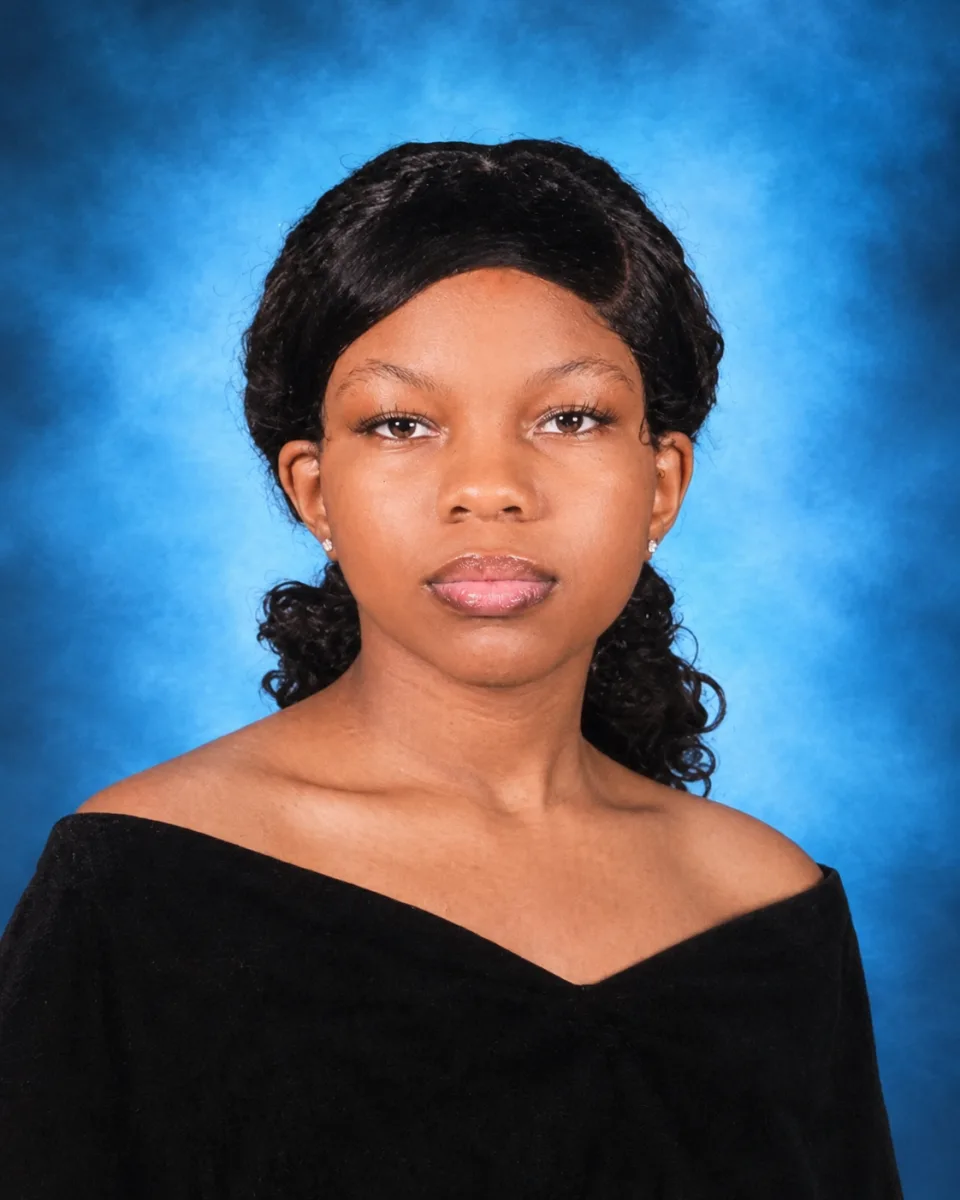
Kaylin Ortega
Atwater, CA
Driving is a Privilege
"Driving is a privilege," as my father would tell me when he was teaching me how to drive. And indeed, not everyone can have this right due to various circumstances. For a teenager, driving is a milestone in life because it represents the transition from childhood dependency to the autonomy of adulthood. The first time behind the wheel is overstimulating for many teens, a mix of excitement and nervousness. But the reality is that driving isn't just the driver in the front seat of a car hitting the gas. Driving is a responsibility of navigating the physical world in the driver's seat.
"Driving is a privilege," as my father would tell me when he was teaching me how to drive. And indeed, not everyone can have this right due to various circumstances. For a teenager, driving is a milestone in life because it represents the transition from childhood dependency to the autonomy of adulthood. The first time behind the wheel is overstimulating for many teens, a mix of excitement and nervousness. But the reality is that driving isn't just the driver in the front seat of a car hitting the gas. Driving is a responsibility of navigating the physical world in the driver's seat.
I took driver's Ed as a sophomore in school. Then my parents paid for driving school, in which I did perfectly fine. My driving skills were improving as I drove more and more. Unfortunately, a month ago, I had an accident. I left home for work, and when I made a turn one block from my house, I looked down to grab my sunglasses, lost control of my car, and hit a mailbox. Thankfully, nothing happened to me; it was just a mailbox, but the car got damaged, and it has been at the auto shop since then. The mailbox was replaced for $211, an extra expense that I had to pay and that should never have occurred.
This situation has affected my life in different ways. First, I now feel fear about driving and making a mistake. Second, my mother's routine changed because she had to adjust her work schedule to drive me to school, work, practice, and my volunteer activities. And third, it affected my family financially because now my parents have to pay the deductible, and the insurance premium will most likely increase. During senior year, there are many expenses, and this has caused my parents an expense they shouldn’t have for which I feel very guilty for.
It took me a few days to share this unfortunate story with my peers, but now I do it because I'm hopeful someone will learn from this. I want to raise awareness about the dangers of a small distraction leading to serious accidents. Thankfully, I only hit a mailbox, and I thank God there were no people nearby. Most people say not to drive while talking or texting on the phone, and indeed, many accidents are caused by people driving while texting or talking. I think teenagers should also be aware that any other type of distraction can cause an accident, not just the phone. At school, when we take driver's ed, we should also be educated a little more, not just taught to read the driver's ed book and learn the rules. We're self-taught in the written rules, but we have limited practical skills. I believe it would be a good idea to include presentations, videos, and statistics that share real-life stories about distracted driving. Teenagers often change songs while driving, text, talk on the phone, scroll through social media, eat, and I have even seen girls put on makeup while driving.
Another idea is to encourage young drivers to set their phones to silent or do not disturb mode while driving. I can say from experience that this works, because ever since I started learning how to drive, my parents have forced me to put my phone in my purse in the back seat in silent mode.
Furthermore, driver's ed classes should be required to show students videos of real-life car accidents so they can see how a distraction can be fatal. As part of the class, students should also be required to share those videos with others after watching them. The more views, the more people get educated. Even the driving schools should require students to watch real-life accident videos. It should be part of their agreement. Driving schools charge a good amount of money for classes, and they don't even spend many hours behind the wheel with students. They should also launch campaigns to raise awareness among young drivers of the risks of unsafe driving.
Now that I am a senior and I'm currently taking an economics class where we learn about budgeting, I think it would be a good idea to learn how an auto accident can affect a personal budget because a deductible has to be paid, the insurance costs go up, and even other damages have to be paid. Some students, for example, aren't even aware of what a deductible is.
Another idea is to educate students starting in 9th grade about the importance of time management. Teenagers get easily distracted by their phones and lose track of time. The students who drive to work, to a sports practice, or just to school are often running late, which causes them to speed. Time management is a skill that will be practiced for life; why not teach it to students starting in 9th grade?
It would also be a good idea to incentivize young drivers who have no accidents or tickets. For example, insurance companies should offer a one time small annual incentive if the young driver has a good driving record. It may cost the insurance company money, but in the long run, they will save money because the small incentive would be far less than the cost of repairing a damaged car.
Raising awareness of the dangers of distracted driving should be everyone's responsibility. Parents should educate their children from the moment the teenager is behind the wheel. But they should also set a positive example because children learn what they constantly see from their parents. When we all work toward the common good, we create a stronger and safer society for everyone. We should always think about how our actions affect others. From my personal experience, I learned my lesson, and even though I am embarrassed to share it with family and friends, I am committed to doing so because I take responsibility for my actions, and I can also help prevent future accidents because, at the end of the day, driving is a privilege.
Content Disclaimer:
Essays are contributed by users and represent their individual perspectives, not those of this website.