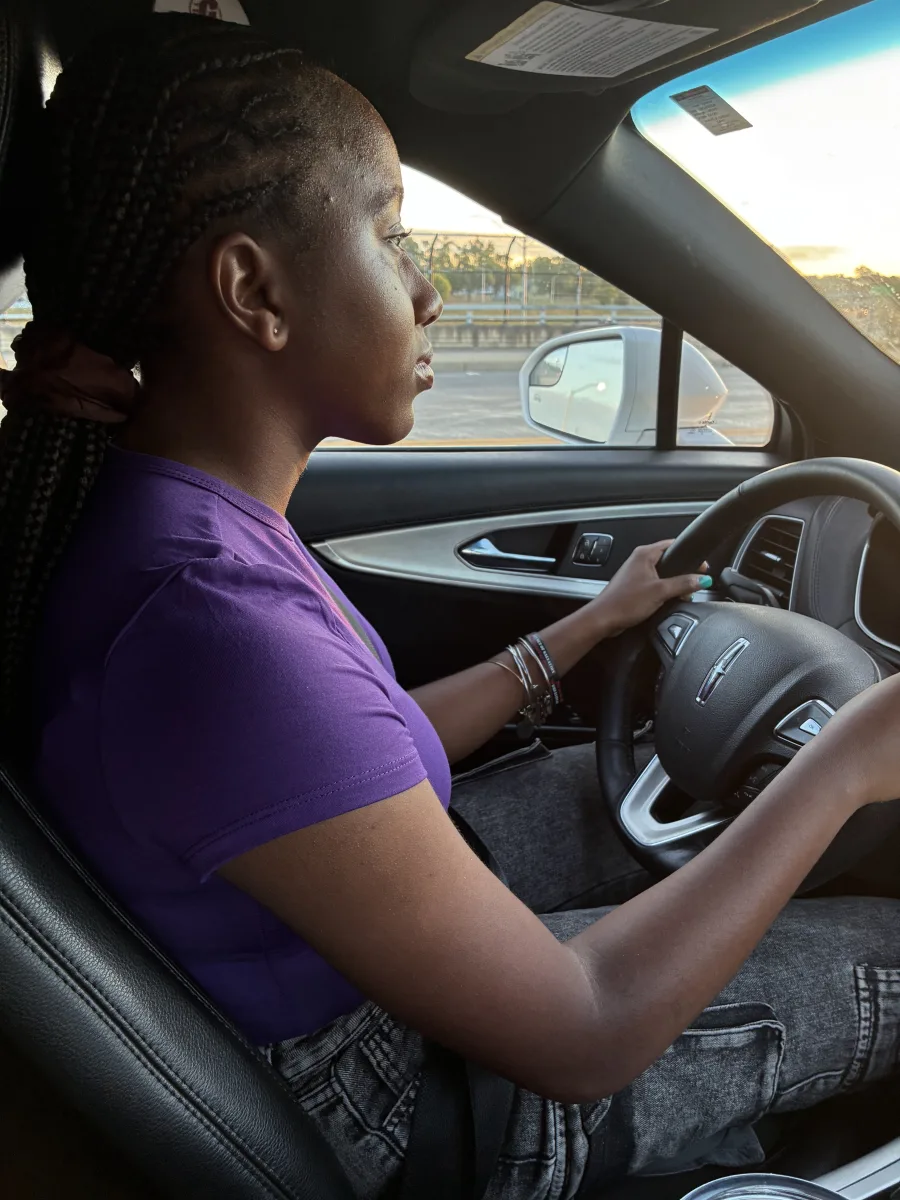
Driving Toward Responsibility: How Education Saves Lives on the Road
2026 Driver Education Round 1

Glendy Alonso Ramos
Cape Coral, Florida
Every time someone gets behind the wheel of a car, they are responsible not only for their own safety but also for the lives of everyone around them. Driving is something many people do every day without thinking twice about it, yet thousands of lives are lost each year because of reckless behavior, distracted driving, speeding, and poor decision-making. Many of these accidents could be prevented if drivers were better educated about safety and responsibility. Driver education is one of the most important tools for reducing driving-related deaths because it teaches people how to drive responsibly, recognize dangers, and make safe choices before accidents happen. Education creates awareness, builds confidence, and helps drivers understand the serious consequences of careless behavior on the road.
Driver education helps reduce deaths by preparing drivers for real-life situations they may face while driving. Many accidents occur because drivers panic, become distracted, or fail to react quickly during dangerous situations. A proper driver education program teaches students defensive driving skills, traffic laws, road signs, and how to handle emergencies safely. It also teaches drivers how weather conditions such as heavy rain, fog, or wet roads can increase stopping distance and reduce visibility. Young drivers especially benefit from education because they often lack experience behind the wheel. Without proper training, new drivers may underestimate risks or become overconfident. Learning safe driving habits early can prevent dangerous behaviors from developing later in life.
One major step that can reduce the number of driving-related deaths is increasing awareness about distracted driving. Many drivers underestimate how dangerous it is to look at a phone for even a few seconds while driving. Texting, checking notifications, changing music, or using social media takes attention away from the road and increases the chance of accidents. A driver traveling at high speeds can cover a large distance in only a few seconds, meaning one glance away from the road could lead to a crash. Stronger laws, stricter penalties, and continued education about distracted driving could encourage more people to stay focused while driving. Schools and communities should continue teaching students that no text message or notification is more important than human life.
Another important step is encouraging people never to drive under the influence of alcohol or drugs. Impaired driving slows reaction time, affects judgment, and makes it harder for drivers to focus on the road. Even small amounts of alcohol or drugs can increase the risk of accidents. Every year, many families lose loved ones because someone chose to drive while impaired. Communities can help reduce these tragedies by promoting safe alternatives such as designated drivers, rideshare services, and public transportation. Driver education programs should continue teaching students about the emotional, legal, and physical consequences of impaired driving. Understanding how one irresponsible decision can permanently change lives may encourage more people to make safer choices.
Speeding is another major cause of fatal accidents. Many people drive over the speed limit because they are in a hurry or feel overly confident in their driving abilities. However, speeding reduces reaction time and makes crashes far more dangerous. The faster a vehicle is moving, the harder it becomes to stop safely or avoid obstacles. Speeding also increases the force of impact during a crash, making injuries more severe. Drivers must understand that arriving somewhere a few minutes earlier is never worth risking someone’s life. Increased enforcement of speed limits and public safety campaigns could help reduce reckless driving behaviors and encourage safer habits.
Although I have fortunately never been seriously injured in a car accident, I have witnessed irresponsible driving from people around me. I have seen drivers texting while driving, speeding through traffic, ignoring stop signs, and becoming distracted while talking with passengers. These experiences made me realize how quickly one careless decision can put multiple lives in danger. Even when accidents do not happen immediately, reckless habits increase the chances of tragedy in the future. Watching unsafe driving behaviors has taught me that driving is a privilege that should never be taken lightly. It also reminded me how important it is to stay alert and responsible every time I am on the road.
There are many steps I can personally take to become a safer driver and encourage others to do the same. First, I can always stay focused on the road by avoiding distractions such as texting or using my phone while driving. I can obey speed limits, wear my seatbelt, and remain calm during stressful driving situations. Defensive driving is another important skill because it helps drivers stay alert and prepared for the mistakes of others. I can also make sure never to drive while tired, angry, or emotionally distracted because emotions can affect judgment and reaction time.
In addition, I can influence friends and family members by encouraging responsible driving habits. If someone is driving recklessly or distracted, speaking up could help prevent an accident. Setting a good example is important because safe driving habits can positively influence others. Small actions, such as reminding passengers to wear seatbelts or refusing to ride with an impaired driver, can save lives. Communities become safer when people hold themselves and others accountable for responsible driving behavior.
Driver education is important because it gives people the knowledge, awareness, and responsibility needed to make safer choices behind the wheel. Many driving-related deaths are preventable if drivers are properly educated about risks and consequences. Through stronger education programs, increased awareness about distracted and impaired driving, and personal responsibility, communities can help make roads safer for everyone. Safe driving is not only about following laws; it is about protecting lives and understanding that every decision on the road matters. By practicing responsibility and encouraging others to do the same, drivers can help reduce accidents and create a safer future for everyone on the road.
Content Disclaimer:
Essays are contributed by users and represent their individual perspectives, not those of this website.