Every Car Has a Story You Don't Know
2026 Driver Education Round 2
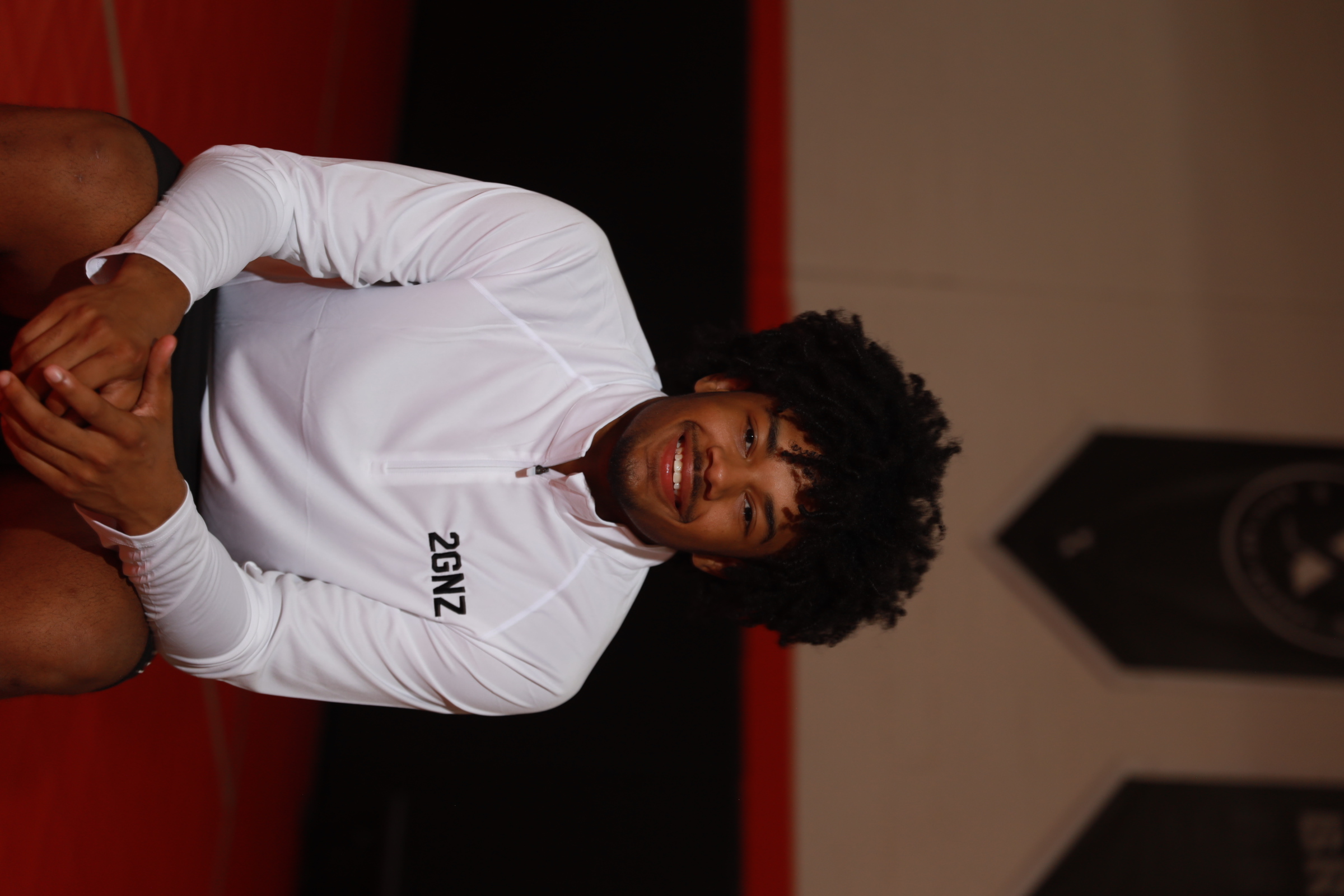
Christian Barjon
Atlanta, GA
When I first started learning to drive, I thought being a safe driver meant following the speed limit, keeping my phone away, and paying attention. I still believe those things matter. But growing up in Atlanta taught me something else: you can do everything right and still be affected by someone else's decision behind the wheel.
Atlanta is not an easy place to learn to drive. There are highways with six or more lanes, exits that come up fast, and traffic that can go from moving at full speed to a complete stop. Some drivers speed far beyond the limit. Others come from smaller cities and may be navigating a major city's highways for the first time. When someone panics, misses an exit, or changes lanes without looking, one mistake can affect several cars at once. I've seen how quickly traffic can back up after a crash, and it reminds me that driving is something we all do together, whether we think about it that way or not.
I've also heard about scams where people intentionally cause collisions to file insurance claims. It's hard to believe someone would put others at risk for money. But I don't want to drive around assuming everyone is dangerous. I want to be alert enough to recognize unusual behavior, leave room between cars, and avoid getting pulled into a situation I can't control.
For me, road safety is personal because I think about the people in my family.
I think about my grandmother and other older drivers who feel nervous on busy roads. Sometimes people get impatient when a driver goes slowly or takes extra time to turn. But that person could be someone's grandparent, trying to get to the grocery store or a doctor's appointment. Honking, tailgating, or cutting them off doesn't help. It can make them more anxious and more likely to make a mistake. I hope people show my grandmother the patience I would want someone to show me.
I think about my sister, who experienced a driver trying to run her off the road. Nobody should have to feel threatened just because they're driving. Her experience taught me that another person's anger doesn't have to become mine. If someone is acting aggressively, I can slow down when safe, give them room, avoid eye contact or arguments, and contact help if necessary. Trying to win an argument on the highway is never worth it.
And I think about my mother, who was involved in a three-car pileup. The driver who caused the crash had just lost his son in an accident and panicked. I can't imagine what he was going through. Knowing that didn't make the collision less serious, but it made me realize how much people carry into a car. Someone might be grieving, exhausted, distracted, or overwhelmed, and the drivers around them may never know. That is why I believe we should expect the unexpected, leave enough following distance, and give ourselves time to react.
As a student-athlete, I understand the importance of preparation. In football, you have to read what's happening around you, anticipate the next move, and stay disciplined when things get intense. Driving takes that same kind of focus, except there is no scoreboard and no second chance to replay a dangerous moment. I can't control every driver, but I can control my speed, whether I check my phone, and whether I drive when I'm too tired to focus.
Being an educated driver means knowing what to do before something goes wrong. New drivers should practice in rain, heavy traffic, and unfamiliar areas with an experienced adult. We should learn how to handle a breakdown, what information to exchange after a crash, and why seat belts matter for every passenger. We should also know when to pull over rather than force ourselves to keep driving while upset or confused. Getting a license should be the beginning of learning, not the end.
I also think passengers have a responsibility. If I'm riding with a friend who's speeding or looking at a phone, I should speak up. That might feel awkward, but being quiet could put everyone in the car at risk. The same goes for me when I'm driving. I want my friends to tell me if I'm doing something unsafe. Looking out for each other is part of being a good teammate and a good friend.
The biggest lesson I've learned is that safe driving is about more than protecting myself. Every car around me carries someone with a family, a destination, and a story I don't know. I want to remember that when traffic is backed up, when someone makes a mistake, and especially when I'm tempted to rush. Arriving a few minutes earlier will never be worth putting someone's life at risk.
Content Disclaimer:
Essays are contributed by users and represent their individual perspectives, not those of this website.