Every Decision Has A Destiny
2026 Driver Education Round 1
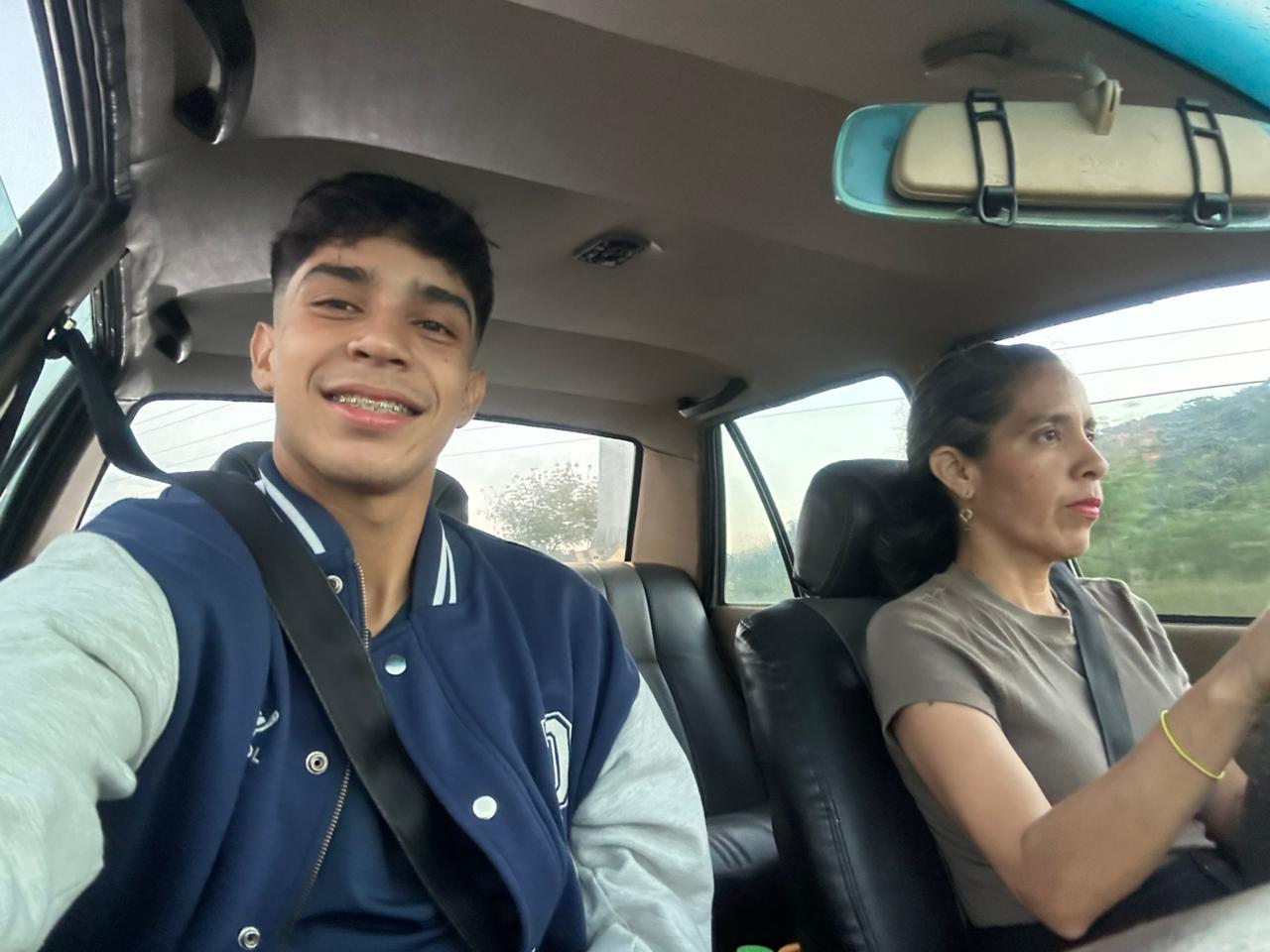
Danny Andres Dillon Cruz
Daule, Guayas
A moment of hesitation on the road can change everything. The steering wheel isn’t just a tool for driving; it’s the point where every decision can mean the difference between safety and danger. Distraction, recklessness, and a lack of awareness behind the wheel can turn a vehicle into a lethal weapon in a matter of seconds. A responsible driver doesn’t just drive a vehicle—they protect lives and commit to ensuring that every journey ends safely. Behind the wheel, every decision determines a destination, but not everyone makes it back.
Today, the automobile has become one of the most widely used means of daily transportation, forming an essential part of modern life. However, behind every journey lies a troubling reality: the human factor remains the leading cause of traffic accidents, surpassing mechanical failures or environmental conditions. Disregard for traffic laws and the lack of defensive or preventive driving create risky situations that can lead to irreversible consequences. Although factors such as the condition of the vehicle or weather conditions play a role, it is the driver’s behavior that, in most cases, determines the outcome. In this context, the person behind the wheel is not only driving a vehicle but also assumes direct responsibility for their own safety and that of an entire society in constant motion.
Driving is more than just turning a steering wheel; it involves a social responsibility where every decision can mean the difference between life and death. Public roads are shared spaces that demand respect, attention, and knowledge; however, failing to obey basic rules—such as speed limits, traffic signs, or right-of-way—turns driving into a high-risk activity. Such behavior endangers not only the driver but also everyone else on the road. In this context, acting responsibly and adhering to traffic safety rules is essential to protecting lives. Therefore, every action behind the wheel entails accepting the consequences of a decision that may be irreversible.
A conscientious and responsible driver contributes to safer road conditions, as their decisions directly impact the protection of their own life and the lives of others. Being informed about traffic laws and implementing preventive measures helps reduce risks and avoid accidents with irreparable consequences. Road safety depends not only on driving skill, but also on the ability to act prudently, control one’s emotions, and anticipate potential hazards on the road. A safe driver obeys traffic signs, avoids distractions, and maintains an alert and cautious attitude during every trip. On the other hand, recklessness, overconfidence, and impulsive decisions turn driving into a constant threat to society. In this sense, every decision behind the wheel reflects the driver’s level of awareness and responsibility.
Uncontrolled emotions behind the wheel can lead to consequences from which there is often no turning back. Anger, stress, or fear affect a driver’s ability to concentrate and can lead to impulsivity, loss of focus, and dangerous decisions in a matter of seconds. Aggressive behavior, speeding, and underestimating risks lead to reckless maneuvers that endanger both the driver and everyone else on the road. These actions not only cause accidents but also leave emotional and physical consequences that can affect entire families forever. In this sense, controlling emotions behind the wheel is also a way to protect lives.
On one occasion, while a friend of my mom’s was riding in a Volkswagen Type 1—popularly known as the “Beetle”—another vehicle slammed into the back of the car we were in. Although the driver managed to brake in time when the vehicle in front stopped abruptly, the driver behind us did not react in the same way and ended up colliding with us. The impact caused a jolt to my neck that left me in discomfort for several weeks. Fortunately, the accident did not result in a major tragedy; however, I realized that a single moment of recklessness behind the wheel can cause physical, emotional, and material damage with irreversible consequences. From that moment on, I understood that driving is not just a daily routine, but an act of responsibility and respect for the lives of others.
Many people believe that their driving skills are superior to those of others and that their experience allows them to drive safely in any situation. Undoubtedly, skill is important for performing complex maneuvers, reacting to unexpected events, and maintaining control of the vehicle in stressful situations. However, overconfidence and arrogance can lead to reckless behavior, as they downplay risks and disregard traffic signs and regulations. These attitudes endanger not only the driver but also everyone else on the road. For this reason, road safety depends not only on driving skill but also on the ability to act with awareness, caution, and responsibility. Driving a vehicle does not guarantee that a tragedy will be avoided; it is responsible decisions that can truly make the difference between life and death.
A single distraction or a moment of carelessness can change a family’s life forever. The decisions made behind the wheel affect not only the physical and emotional well-being of the driver, but also that of others on the road and those waiting for their loved ones to return home. Many tragedies could be prevented if every driver acted with greater awareness, empathy, and respect for traffic laws. Driving means understanding that behind every vehicle there are lives, dreams, and opportunities that deserve to be protected. Ultimately, reaching a destination isn’t just about completing a journey, but about having the chance to start a new day with those we love most.
A responsible attitude, proper control of emotions, and respect for traffic laws help build safer roads for everyone. Every decision behind the wheel has the power to protect lives waiting to return home or to cause consequences that can scar families forever. Road safety depends not only on driving skill, but also on the awareness and empathy with which we act on every journey. Ultimately, a steering wheel can lead to a safe return or to an irreversible tragedy; the difference always lies in the decisions of the driver.
Content Disclaimer:
Essays are contributed by users and represent their individual perspectives, not those of this website.