Healthy Driving
Driver Education Initiative

Kaylee Wobig
Springfield, Illinois
For some, being a safe driver takes more than knowing the rules of the road, obeying speed limits, and being aware of your surroundings. For some, operating a vehicle requires more than an ignition key and a valid driver’s license. For some, being a safe driver means managing personal blood sugar levels to ensure those levels are not too high or too low. These “some,” like me, have Type 1 Diabetes.
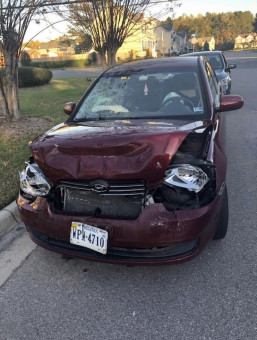
High blood sugar levels can result in blurred vision, headaches and reduced levels of concentration thereby influencing a driver’s capacity to drive safely. Worse, low blood sugars can cause shakiness, fatigue, and in extreme cases, unconsciousness. Rachel, my father’s co-worker, experienced low blood sugar levels and passed out while driving. Her car swerved into a ditch, hitting a culvert. Rachel was not driving recklessly, but she was impaired due to her condition and therefore driving irresponsibly. Fortunately, airbags saved Rachel’s life and no one else was harmed in the crash. Similarly, side effects from common medications or simple tiredness can impair any driver’s ability to drive safely the same way as abnormally high or low blood sugars. To be a safer driver as well as help others be safer on the road, it is important to be aware of your physical condition. Take into account factors such as blood sugar levels, alcohol consumption, drug and medication effects, and sleepiness, and watch for these health-related symptoms in others who are or will be driving.
Besides explaining the basic rules of the road and the consequences of driving drunk, drivers ed for all drivers needs to raise awareness of healthy versus impaired driving. Recognizing when you may be at risk of impaired driving due to your current physical condition through ongoing drivers ed is key to reducing the number of driving deaths. Spotting an unhealthy driving condition and acting to keep that person from driving could save a life - including your own. Lengthening the delay between red and green lights at intersections and improving car technologies such as airbags, blind spot detectors, lane drift detectors, and automated braking can all help reduce the number of deaths related to driving. Mandatory continuing drivers ed, including education on healthy versus unhealthy driving, is an additional step that could be taken to help reduce the number of deaths related to impaired driving even more.
“For some” is really “for all.” Being a safe driver takes more than knowing the rules of the road and obeying speed limits. It means understanding your physical condition and knowing whether you are healthy enough to be behind the wheel.
Content Disclaimer:
Essays are contributed by users and represent their individual perspectives, not those of this website.