I can help protect the lives of everyone sharing the road
2026 Driver Education Round 2
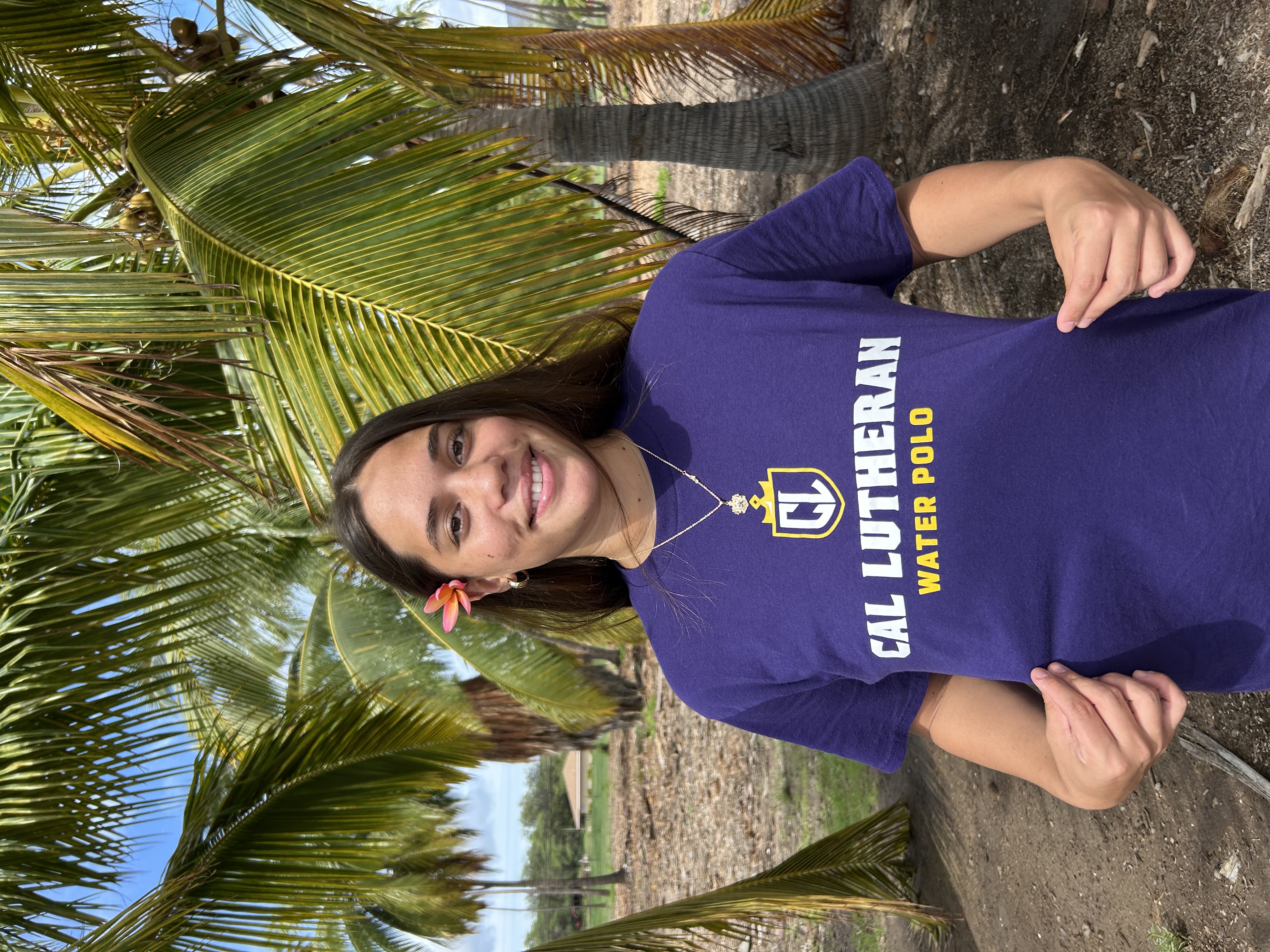
Ava Carlson
Kaunakakai, HI
A two-lane road looks completely different depending on whether you are behind a steering wheel or running along the shoulder. When you are inside a car, it is easy to view the road just as a way to get from point A to point B, and to get frustrated by cyclists, runners, or pedestrians who seem to be slowing you down. Yet every single person sharing that stretch of pavement is someone’s parent, teammate, neighbor, or friend. Becoming a safer driver and helping others do the same starts with realizing that roads belong to people, not just cars, and treating "sharing the road" as a real, everyday responsibility.
Growing up on a rural island, I know firsthand how narrow, winding, and dimly lit our roads can be, especially in areas where there are no sidewalks, streetlights, or dedicated bike lanes. On many stretches of road, the shoulder is barely a few feet wide, bordered by overgrown grass, gravel, or steep drop-offs to the ocean. As a student-athlete, I spend a lot of time running and training alongside that traffic. When you are on foot or on a bike, there are no airbags, seatbelts, or metal frames protecting you from a two-ton vehicle. You can feel the wind rush past you when a car speeds by too closely, and you quickly realize how vulnerable you truly are. A driver looking down at their phone for just two seconds or passing a cyclist without slowing down might barely notice their mistake, but for the person outside the car, that split-second distraction can change their life forever.
Volunteering at a local physical therapy clinic has made this reality even clearer to me. During my time helping out and observing patient care, I have watched people work through painful, exhausting, months-long recoveries after traffic accidents and severe injuries. Seeing patients struggle just to walk across a room, regain their balance, or return to simple daily activities showed me how fragile the human body actually is. It also showed me that a single preventable mistake behind the wheel does not just hurt one person; it affects an entire family, disrupts livelihoods, and takes away someone's independence. Knowing how long and difficult the road to recovery can be makes it impossible to take driving lightly.
As a newer driver, I know that building safe habits right from the start is everything. I try to eliminate distractions by setting my music, mirrors, and GPS before I even put the car in drive, and I keep my phone completely out of reach. No text message, notification, or song change is worth the risk. I also it make a point to actively look out for everyone sharing the road. I check my mirrors and blind spots carefully before turning or backing up, slow down in residential neighborhoods, school zones, and areas with blind curves, and make clear eye contact with pedestrians at crosswalks so they know I see them. I adjust my driving for the conditions that surround me, slowing down at dawn, dusk, or in the rain when visibility drops and runners or cyclists are harder to spot. Finally, whenever I pass a cyclist or a runner, I slow down and give them plenty of room. Giving at least six feet of clearance, or moving fully into the next lane when it is safe, accounts for the fact that they might have to step or swerve around a pothole, puddle, or debris on the shoulder.
I believe road safety spreads when we hold ourselves and our friends accountable. Since high schoolers are often driving with peers, being a responsible passenger matters just as much as being a safe driver. I am not afraid to speak up if a friend reaches for their phone, turns up the music too loud, or starts speeding, and I always offer to handle the navigation or texts so they can keep their eyes on the road. With my teammates and younger athletes, I also lead by example and remind them to wear bright or reflective clothing, run facing oncoming traffic so they can see approaching cars, and stay alert near driveways and intersections. Even small, everyday habits, like reminding family members to slow down around runners and cyclists or pointing out blind spots when riding in the car, help build a culture where looking out for others is the norm.
I believe road safety spreads when we hold ourselves and our friends accountable. Since high schoolers are often driving with peers, being a responsible passenger matters just as much as being a safe driver. I am not afraid to speak up if a friend reaches for their phone, turns up the music too loud, or starts speeding, and I always offer to handle the navigation or texts so they can keep their eyes on the road. With my teammates and younger athletes, I also lead by example and remind them to wear bright or reflective clothing, run facing oncoming traffic so they can see approaching cars, and stay alert near driveways and intersections. Even small, everyday habits, like reminding family members to slow down around runners and cyclists or pointing out blind spots when riding in the car, help build a culture where looking out for others is the norm.
Ultimately, safe roads come down to respect, patience, and empathy. Whether we are driving to school, biking for exercise, or walking through our neighborhood, everyone shares the exact same goal: making it home safely to the people who love us. By staying focused behind the wheel, giving vulnerable road users the space they deserve, and encouraging my peers to put awareness ahead of rushing, I can do my part to protect the lives of everyone sharing the road.
Content Disclaimer:
Essays are contributed by users and represent their individual perspectives, not those of this website.