In The Driver's Seat
2026 Driver Education Round 1
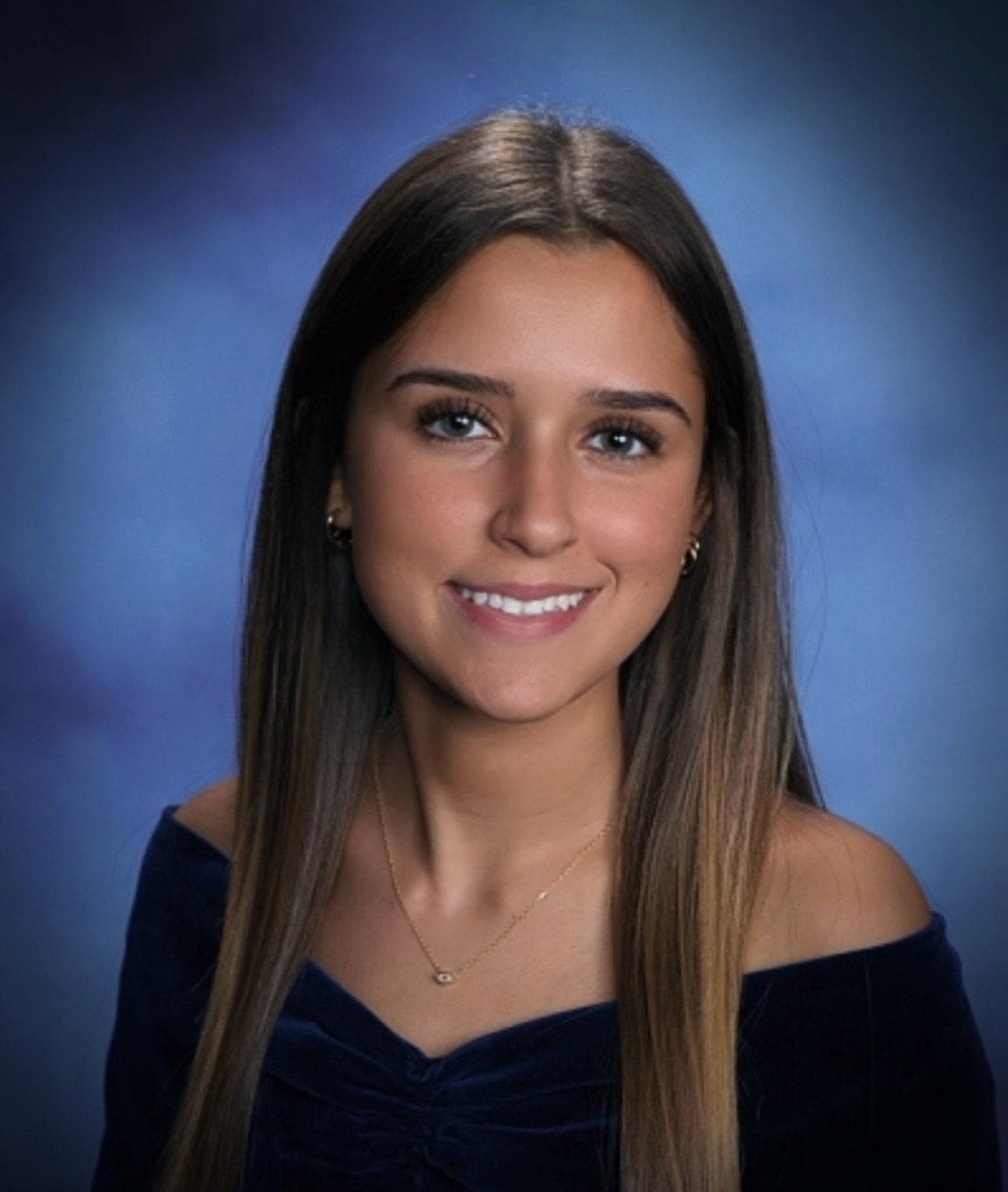
Mariana Vieira Khoury
Storrs, CT
The light was green. I remember that clearly because it's the first thing I thought about after it happened — we had the green light, so why did everything go so wrong?
I was in the passenger seat next to my mom. It was a normal day. We pulled into the intersection because the signal said we could. What we didn't know was that the driver coming from the side wasn't stopping. He blew straight through a red light and slammed into the side of our car. The impact was loud and sudden and completely disorienting. When I realized what had happened, my first instinct was to look at my mom. She was okay. We both were, physically. But okay is a relative word after something like that.
The worst part wasn't the crash itself. It was finding out why it happened. The man who hit us, a grown adult, had been on his phone. He didn't see the red light because he wasn't looking at the road. He was looking at a screen. And for those few seconds, our lives were completely in the hands of someone who had checked out.
That experience completely changed the way I think about driving. Before the accident, I treated it like most people my age do, something you just kind of do. You get in, you go, you get there. But sitting in that car after the crash, I realized how much trust is involved every single time you drive somewhere. You're trusting that every other person on the road is paying attention. You're trusting that they're going to stop at red lights and stay in their lanes and not be distracted. And most of the time that trust holds up. But sometimes it doesn't, and the consequences are terrible.
In America, around 40,000 people die in car crashes every year. The organization behind this scholarship points out something that genuinely stopped me when I read it which is that more Americans die on roads in a single year than died during the entire wars in Iraq and Afghanistan combined. That's not a statistic about bad luck, it's a pattern.
The man who hit us wasn't unlucky. He made a choice. He picked up his phone while driving and decided that whatever was on that screen was worth the risk. The problem is that the risk wasn't just his to take, it was ours too. Driving isn't just about you. Every decision you make behind the wheel affects people who never agreed to be part of it.
This is why driver education matters so much more than most people give it credit for. And I don't mean the technical stuff, though that's important too. I mean the part where you're taught to actually think about consequences before they happen. Research shows that states with stronger graduated licensing programs have lower youth fatality rates because structured education forces you to confront the reality of what can go wrong before you're in a situation where it does.
The guy who ran that red light probably passed his driving test decades ago and never thought about road safety again. That's the gap. Education shouldn't stop the day you get your license.
There are real, practical things that can make roads safer. Distracted driving laws need to be taken more seriously and enforced more consistently. Graduated licensing requirements should be standardized across states because right now the gap between what different states require is genuinely alarming. Technology like automatic emergency braking, which can reduce rear-end crashes by up to 50% according to the Insurance Institute for Highway Safety, should be standard in every new vehicle, not an add-on. We also need to change the culture around driving. The casual attitude a lot of people have toward checking their phones or speeding slightly or running a light that just turned red are normalized in a way they really shouldn't be.
On my end, I've made changes that I stick to. My phone goes on do not disturb and out of my reach before I even start the car. I give myself more time to get places, so I'm not tempted to speed. I look both ways at green lights now, because I know from experience that a green light doesn't mean the intersection is clear.
I also talk about it. When I'm with friends and someone's texting while driving or trying to pull up directions on their phone without stopping first, I say something. I used to stay quiet because it felt awkward, like I was being dramatic. I'm not quiet anymore. I tell them what it felt like to be in that car. I tell them about the man on his phone. Usually they put theirs down. You don't need a campaign or a platform to influence people around you. You just need to be honest about what you've seen and what you know.
The green light that day meant we had the right of way. It did not mean we were protected. There's a difference between those two things and understanding that difference is what separates a driver who has truly thought about what it means to be behind the wheel from one who's just going through the motions.
Driver education, done right, is what gets people there. And if it takes hearing a story like mine to make that click for someone, then I'll keep telling it.
I was in the passenger seat next to my mom. It was a normal day. We pulled into the intersection because the signal said we could. What we didn't know was that the driver coming from the side wasn't stopping. He blew straight through a red light and slammed into the side of our car. The impact was loud and sudden and completely disorienting. When I realized what had happened, my first instinct was to look at my mom. She was okay. We both were, physically. But okay is a relative word after something like that.
The worst part wasn't the crash itself. It was finding out why it happened. The man who hit us, a grown adult, had been on his phone. He didn't see the red light because he wasn't looking at the road. He was looking at a screen. And for those few seconds, our lives were completely in the hands of someone who had checked out.
That experience completely changed the way I think about driving. Before the accident, I treated it like most people my age do, something you just kind of do. You get in, you go, you get there. But sitting in that car after the crash, I realized how much trust is involved every single time you drive somewhere. You're trusting that every other person on the road is paying attention. You're trusting that they're going to stop at red lights and stay in their lanes and not be distracted. And most of the time that trust holds up. But sometimes it doesn't, and the consequences are terrible.
In America, around 40,000 people die in car crashes every year. The organization behind this scholarship points out something that genuinely stopped me when I read it which is that more Americans die on roads in a single year than died during the entire wars in Iraq and Afghanistan combined. That's not a statistic about bad luck, it's a pattern.
The man who hit us wasn't unlucky. He made a choice. He picked up his phone while driving and decided that whatever was on that screen was worth the risk. The problem is that the risk wasn't just his to take, it was ours too. Driving isn't just about you. Every decision you make behind the wheel affects people who never agreed to be part of it.
This is why driver education matters so much more than most people give it credit for. And I don't mean the technical stuff, though that's important too. I mean the part where you're taught to actually think about consequences before they happen. Research shows that states with stronger graduated licensing programs have lower youth fatality rates because structured education forces you to confront the reality of what can go wrong before you're in a situation where it does.
The guy who ran that red light probably passed his driving test decades ago and never thought about road safety again. That's the gap. Education shouldn't stop the day you get your license.
There are real, practical things that can make roads safer. Distracted driving laws need to be taken more seriously and enforced more consistently. Graduated licensing requirements should be standardized across states because right now the gap between what different states require is genuinely alarming. Technology like automatic emergency braking, which can reduce rear-end crashes by up to 50% according to the Insurance Institute for Highway Safety, should be standard in every new vehicle, not an add-on. We also need to change the culture around driving. The casual attitude a lot of people have toward checking their phones or speeding slightly or running a light that just turned red are normalized in a way they really shouldn't be.
On my end, I've made changes that I stick to. My phone goes on do not disturb and out of my reach before I even start the car. I give myself more time to get places, so I'm not tempted to speed. I look both ways at green lights now, because I know from experience that a green light doesn't mean the intersection is clear.
I also talk about it. When I'm with friends and someone's texting while driving or trying to pull up directions on their phone without stopping first, I say something. I used to stay quiet because it felt awkward, like I was being dramatic. I'm not quiet anymore. I tell them what it felt like to be in that car. I tell them about the man on his phone. Usually they put theirs down. You don't need a campaign or a platform to influence people around you. You just need to be honest about what you've seen and what you know.
The green light that day meant we had the right of way. It did not mean we were protected. There's a difference between those two things and understanding that difference is what separates a driver who has truly thought about what it means to be behind the wheel from one who's just going through the motions.
Driver education, done right, is what gets people there. And if it takes hearing a story like mine to make that click for someone, then I'll keep telling it.
Content Disclaimer:
Essays are contributed by users and represent their individual perspectives, not those of this website.