In the Driver's Seat
2026 Driver Education Round 1
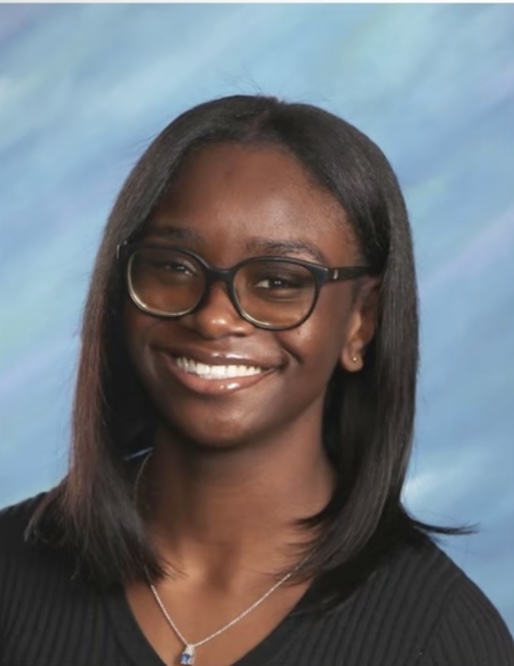
Essence Yakira-Yesterday Woods
Columbus, OH
When I was younger, I thought driving was simple. I would sit in the passenger seat while my parents drove and never really paid attention to everything happening around us. As I got older, especially during my years commuting to school in Columbus, I started noticing just how unpredictable the road could be. It seemed like almost every week there was an accident slowing traffic, emergency vehicles responding to a crash, or drivers honking and yelling at each other because someone had made an impatient decision. Even before I had my license, I realized that driving is one of the biggest responsibilities a person can have because one careless moment can change someone's life forever.
After earning my permit, my parents made sure I practiced driving as much as possible. My mom especially wanted me to become comfortable behind the wheel before driving on my own. At first, I was nervous every time I got into the driver's seat. It felt completely different from being a passenger. Suddenly I was the one responsible for watching traffic, checking mirrors, judging distances, and making safe decisions. That responsibility made me realize that driving is about much more than getting from one place to another. It is about protecting not only my own life but everyone sharing the road with me.
One lesson that has stayed with me is that I cannot control other drivers. No matter how carefully I drive, someone else may be distracted, speeding, or making reckless decisions. Because of that, I have learned to focus on what I can control. I keep a safe following distance, avoid rushing through yellow lights, and constantly scan the road instead of assuming everyone else is paying attention.
One habit I have developed is leaving early whenever I have somewhere important to be. Whether I am driving to my classes at the University of Cincinnati Blue Ash College or heading to work in the Admissions Office, I give myself extra time, so I never feel pressured to speed. Running a few minutes late is far better than risking an accident because I was trying to save sixty seconds. Being patient behind the wheel has become one of the most valuable driving lessons I have learned.
I have also become much more aware of distracted driving. I constantly notice drivers looking down at their phones after traffic lights turn green or drifting into another lane because they are focused on something other than the road. Seeing those situations reminds me how quickly an accident can happen. Before I start driving, I set my GPS, choose my music, and silence unnecessary phone notifications. If I need to answer a message or change directions, I wait until I can safely park instead of trying to multitask while driving.
My family has also taught me how quickly life can change. After my father suffered a traumatic brain and spinal injury, I gained an even greater appreciation for how fragile life truly is. Although his injury did not happen because of a car accident, watching someone I love to go through months of hospitals, rehabilitation, and recovery showed me how one unexpected event can affect an entire family. That experience made me realize that I never wanted my own decisions to become the reason another family experiences pain that could have been prevented.
I believe one of the biggest problems on today's roads is that many people become too comfortable driving. After years behind the wheel, some drivers stop treating it like the serious responsibility it is. They check social media at stoplights, eat while driving, speed because they are running late, or become aggressive when traffic slows down. It only takes one of those choices to create a tragedy. Every driver should remember that operating a vehicle is not a right to take lightly. It is a privilege that comes with the responsibility to protect everyone around us.
As a psychology major, I have become interested in understanding why people make risky decisions. Many distracted driving behaviors are not caused by a lack of knowledge but by overconfidence. People convince themselves that checking one notification or responding to one text will not hurt anyone because they have done it before. Unfortunately, accidents happen in seconds, and those few seconds can have lifelong consequences. I hope that as I continue my education and career, I can encourage others to make thoughtful decisions that prioritize safety over convenience.
I also believe experienced drivers have a responsibility to set a positive example for younger drivers. Whenever my friends talk about driving, I encourage them to stay off their phones, leave early instead of speeding, and stay patient even when other drivers are rude. One person's safe habits can influence someone else to make better choices, creating a ripple effect that makes our roads safer for everyone.
Being behind the wheel is something most people do almost every day, which makes it easy to forget how much responsibility comes with it. Every trip, whether it is five minutes or an hour, requires focus, patience, and good judgment. I know I will continue learning as I gain more driving experience, but I also know the habits I build now will stay with me for years to come.
For me, being a safe and educated driver means understanding that every decision matters. Choosing patience over frustration, attention over distraction, and responsibility over convenience could be the difference between arriving home safely and changing someone's life forever. That is a responsibility I will never take for granted.
Content Disclaimer:
Essays are contributed by users and represent their individual perspectives, not those of this website.