In the Driver's Seat
2026 Driver Education Round 1
Mackenzie Foster
fayetteville, Georgia
In the Driver's Seat
The first time I sat behind the wheel of a car, I remember feeling excited about the freedom that came with driving. Like many teenagers, I thought about road trips with friends, late-night drives with music playing through the speakers, and the independence of no longer needing someone else to take me where I wanted to go. What I did not think about was the weight of responsibility that came with holding a driver's license. I saw driving as a privilege, but I had not yet realized it was also a promise—a promise to protect not only my own life but the lives of every person sharing the road with me.
That perspective changed after hearing the story of a young woman from my community. She had just graduated from high school and was driving home after celebrating with friends. It wasn't alcohol or reckless speeding that caused the crash. She glanced down at her phone for only a few seconds to read a text message. In those few seconds, traffic ahead came to a stop. By the time she looked back up, it was too late. Her car struck the vehicle in front of her, setting off a chain reaction involving several others.
She survived with only minor injuries. The family in the vehicle she hit was not as fortunate.
Although no one intended for that night to end in tragedy, one brief moment of distraction permanently changed multiple families. The young woman often said afterward that she would give anything to go back and ignore that notification. A text message that seemed so important disappeared within minutes. The consequences of looking at it lasted forever.
That story has stayed with me because it reminds me that dangerous driving is not always dramatic. Many people imagine accidents happening because someone was racing down the highway or driving under the influence. While those situations certainly happen, countless crashes begin with ordinary decisions that seem harmless in the moment: answering a text, changing a song, reaching for something that fell on the floor, eating while driving, or convincing yourself that looking away "just for a second" will not matter.
Those few seconds are often all it takes.
Young drivers especially can underestimate how much responsibility comes with driving because they have grown up in a world full of constant notifications and distractions. We are used to multitasking. We answer messages while walking, studying, eating, and watching television. Unfortunately, driving is one activity that refuses to share our attention. A vehicle traveling 55 miles per hour covers the length of a football field in only a few seconds. Looking away for even a brief moment means driving that entire distance essentially blind.
What makes this reality even more heartbreaking is that most crashes are preventable. Safe driving is not about having perfect reflexes or expensive safety features. It is about making intentional choices before ever putting the car in drive. Buckling your seatbelt, putting your phone on "Do Not Disturb," obeying speed limits, maintaining a safe following distance, and staying alert may seem like small habits, but together they become lifesaving decisions.
As I have grown older, I have come to realize that driving is one of the greatest examples of trust in our society. Every day, millions of strangers pass one another at high speeds with the expectation that everyone will follow the same rules and exercise good judgment. We trust that another driver will stop at a red light, stay in their lane, and pay attention to their surroundings. That trust exists because every driver has accepted an unwritten responsibility to care for people they may never meet.
Being a safe driver also means recognizing when not to drive. Fatigue, emotional distress, or overconfidence can be just as dangerous as distraction. Many young people believe they are invincible because serious accidents happen to "other people." The truth is that every statistic represents someone's child, sibling, friend, or parent. Every number is a family whose lives changed in an instant.
The National Highway Traffic Safety Administration reports that tens of thousands of people lose their lives on American roads each year. Those numbers can feel distant until you imagine every person filling a stadium, each seat representing someone who expected to make it home. Suddenly, the statistics become personal. They remind us that driving is never just about getting from one place to another. Every trip carries the responsibility of bringing ourselves—and everyone around us—home safely.
As someone pursuing a career in medicine, I also view safe driving through another lens. Healthcare professionals spend countless hours working to save lives after preventable injuries occur. Emergency physicians, surgeons, nurses, and first responders witness the devastating effects of crashes every day. Many of those injuries never should have happened. The most effective treatment for a preventable accident is preventing it from occurring in the first place. That begins with educated, responsible drivers who understand that every decision behind the wheel matters.
When I eventually become a physician, I hope to help people during some of the most difficult moments of their lives. Yet I also recognize that true compassion means encouraging prevention whenever possible. Safe driving is one of the simplest ways we can protect ourselves, our families, and complete strangers. It costs nothing to put away a phone, slow down, or wait until reaching a destination before responding to a message, but those choices can preserve an entire lifetime.
Being "in the driver's seat" is about far more than controlling a vehicle. It means taking ownership of every choice made behind the wheel. It means understanding that a driver's license is not simply permission to drive but a commitment to safeguard human life. Every time I get into a car, I want to remember that someone else's future may depend on my decisions just as much as my own.
Freedom is often the first thing young people think about when they begin driving. Responsibility should be the second. If every new driver understood that the smallest decision can have the greatest consequences, our roads would be safer, our communities would be stronger, and far more families would receive the one thing they expect every day: the chance to welcome their loved ones home.
Content Disclaimer:
Essays are contributed by users and represent their individual perspectives, not those of this website.

Driving Toward Safety: The Role of Education and Personal Responsibility
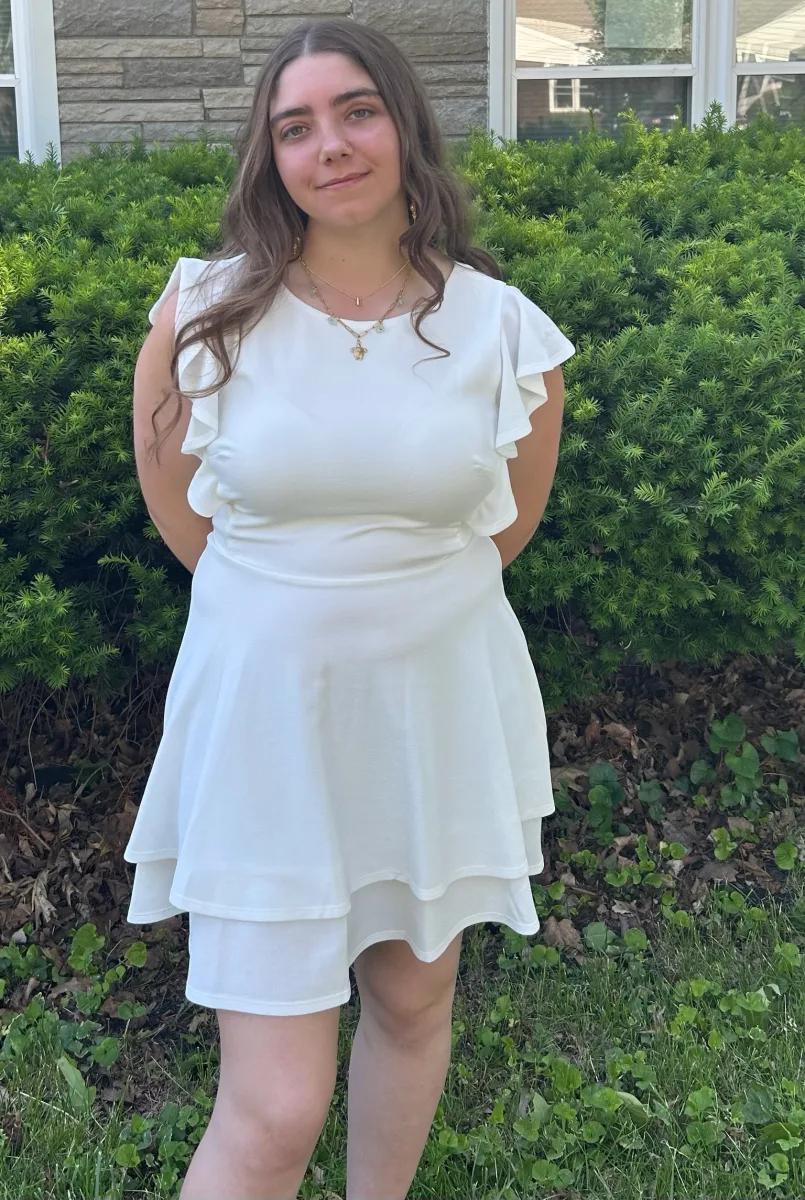
Isabella Schroeder-Carlisle


