In The Driver's Seat: A Journey from Survival to Safety
2026 Driver Education Round 1
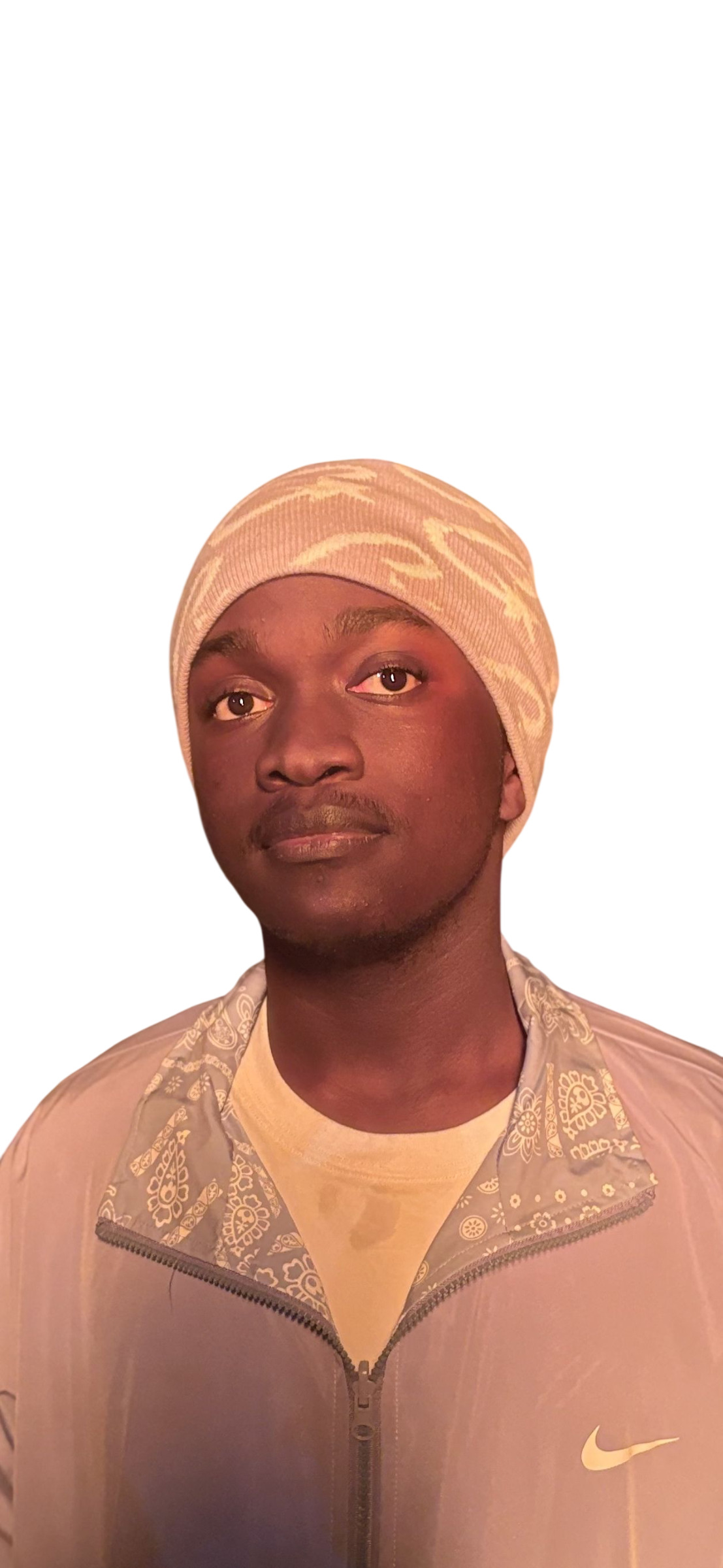
mamane koura
charlotte, north Carolina
The first time I sat in the driver’s seat of a car, my hands trembled. It wasn’t the fear of stalling the engine or failing the driving test that made me nervous on the first try; it was the weight of what I was about to do. I had been raised in Niger, a country where roads are often unpaved, cars are often overloaded and traffic laws are more a recommendation than a mandate. I had seen the horror of unsafe driving and the tragic consequences: families dying in roadside accidents; cars overturned in ditches, lives ended instantly as someone took the speed to win rather than safety. When I moved to the United States and became a citizen of the country at the age of ten years old, driving was a part of life and, in fact, the ease of driving has made us so naively unaware of the risks.
The statistics are staggering. Almost 34,000 Americans die each year from driving. Let that number sink in. That is more than the number of American soldiers who died in all wars in Iraq and Afghanistan combined. Over two years, driving kills more Americans than the entire Vietnam War in two years. We send our young men and women into combat with full awareness of the dangers they face, yet we hand car keys to teenagers with a short course and a prayer. We treat driving as a rite of passage, a symbol of freedom. But that freedom comes with a deadly price. We’ve grown numb to the carnage on our roads because it happens one accident at a time, on highways and country roads. Each death is a tragedy but collectively they represent a public health crisis that needs our urgent attention.
My path to becoming a safe and educated driver started not in a classroom, but in the markets of Niger. Survival there was a constant vigilance. Crossing the street was a chaotic dance of motorcycles, taxis and donkey carts, each moving in its own unpredictable way. I learned early on that safety was not guaranteed but I had to be aware, patient and take care of the dangers around me. When I went to the United States, I took this lesson with me. I understood driving was not just a privilege, it was a responsibility. It was the difference between life and death.
I took it very seriously when I got ready for my driving test and I went for it. I studied the driver’s manual for I wasn’t only to pass the test but to understand the reasoning behind every rule. I worked with my instructor and asked questions about defensive driving techniques, road conditions, how to avoid accidents and emergency driving. I watched videos of accident reconstructions and I had to face the reality of what happens when a driver is distracted, impaired or simply careless. I wanted to be more than a driver who followed the rules; I wanted to be one who anticipated danger and avoided it before it reached crisis level.
One lesson I can recall most was from my driving instructor, who had taught teenagers to drive for decades. “Every time you get behind the wheel, you are holding a weapon. It is a weapon that can kill—not just you, but innocent people who did nothing wrong.” That was a true analogy for me. I grew up in a country where violence was an actual and present danger and safety was never guaranteed. To learn that if I carelessly put my life in danger that same danger could become the case was sobering. It cemented my desire to be a driver who puts safety first.
Distracted driving is one of the most dangerous things on our roads today. I know my friends would watch their phones while driving and think they can multitask. I've seen drivers eat, apply makeup, change their radios, unaware that a split second of distracted driving can change lives forever. I have never driven distracted. When I am driving my phone is quiet and out of reach. My mind is on the road, on other drivers, on pedestrians, on the unpredictable variables that make the road difficult and dangerous to drive. That is not just about the law but about respecting the lives of people who travel with me on the road.
I also believe education is the basis for safe driving. A lot of people get only the bare minimum to pass their test but then develop habits that have become second nature and take years to become a reality. I will continue to learn beyond my initial license and I want to take up defensive driving courses and continue to be aware of the latest safety technologies in the future. I want to know how vehicle safety features work—anti-lock brakes, lane departure warnings and so on—so I can use them to the best of my ability. I want to become a driver who adapts to changing conditions, who adjusts to the weather and road conditions, who never assumes that safety is guaranteed simply because I'm experienced.
And safe driving is a community responsibility beyond my own. We must hold each other accountable. We need to speak up when we see others driving recklessly and when we see friends or family members do. We must model safe behavior for young people to be taught that true confidence behind the wheel comes not from speed and aggression but from skill and awareness. I have already started to teach my peers the statistics that I’ve seen that shocked me and encourage them to take driving seriously. I have offered to be a designated driver for friends who have been drinking, because one decision can save lives. These actions may seem small, but they represent a commitment to creating a culture of safety that extends beyond my own behavior.
The consequences of negligent driving are not abstract to me. I have witnessed the aftermath of accidents. I have learned how families are shattered by loss. I know the grief that comes with a preventable death. These experiences have shaped my perspective and I’ve strengthened my resolve. I refuse to be another statistic, and I refuse to let my carelessness make someone else one. Each time I start the engine I tell myself I am not only driving a car, I am driving a machine that can do grievous damage, and I owe it to myself, my passengers and everybody on the road to do so with the utmost care.
I want to get young drivers to look at driving not as a right but as a responsibility to do well and I want to be part of a generation that can reduce the number of deaths we’ll see on our roads, that treats driving with the gravity it should be and that won’t take complacency as an excuse for tragedy.
Driving has given me freedom I never had growing up in Niger the freedom to go where I want, when I want, to explore opportunities and build a future. But freedom without responsibility is chaos. I learned that real freedom is discipline, discipline in the right way respect for the rules that protect us all. I drive because I have places to go and dreams to achieve but I drive safely because I know that every journey is a choice a decision to value life over convenience, safety over speed, and responsibility over recklessness.
Content Disclaimer:
Essays are contributed by users and represent their individual perspectives, not those of this website.