In the Driver’s Seat: Choosing Safety Before Every Mile
2026 Driver Education Round 1

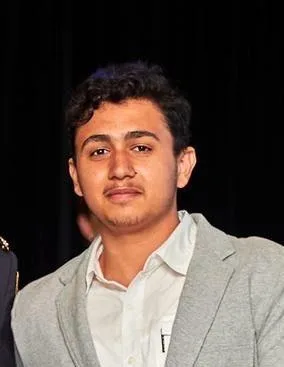
Emily Naef
Apex, NC
The day I earned my driver’s license felt like a major milestone. For the first time, I had the freedom to go where I wanted without relying on my parents. Like many teenagers, I was excited about the independence that came with driving. But as I gained more experience behind the wheel, I realized that driving is much more than a privilege. It is a responsibility that carries the power to protect lives or change them forever.
When I first read that approximately 34,000 people lose their lives in traffic crashes each year in the United States, I was shocked. Before learning those statistics, I had never stopped to think about how many families receive a phone call that changes their lives forever because of a preventable crash. Those numbers are not just statistics. They represent parents, children, siblings, friends, and classmates whose lives ended far too soon. Every driver has the ability to help lower those numbers through education, awareness, and responsible choices.
Driver education plays one of the most important roles in reducing traffic deaths because it teaches new drivers to think beyond simply operating a vehicle. Anyone can learn how to accelerate, brake, or park a car. Learning how to recognize dangerous situations, anticipate the mistakes of other drivers, and make good decisions under pressure is what truly creates a safe driver.
Driver education also helps drivers understand the consequences of risky behavior. Speeding, texting while driving, driving while tired, and driving under the influence are often discussed as bad decisions, but understanding why they are dangerous makes those lessons much more meaningful. A driver’s education course explains how distractions reduce reaction time, how excessive speed increases stopping distance, and how even a few seconds of looking away from the road can have devastating consequences. When young drivers understand the science behind these risks instead of simply memorizing rules, they are more likely to make safer decisions every time they drive.
Although education is essential, reducing traffic deaths requires action from everyone on the road. One of the most effective steps is eliminating distracted driving. Cell phones have become part of everyday life, but no text message, social media notification, or phone call is worth risking someone’s life. Drivers should put their phones away before starting the car or use features that automatically silence notifications while driving.
Another important step is always wearing a seat belt. It takes only a few seconds to buckle up, yet it dramatically increases the chance of surviving a crash. The same simple habit should extend to every passenger. Drivers should never begin driving until everyone in the vehicle is properly restrained.
Speed limits also exist for a reason. It can be tempting to drive a little faster when running late, but arriving a few minutes earlier is never worth increasing the risk of a serious accident. Defensive driving, maintaining a safe following distance, using turn signals consistently, and avoiding aggressive driving all contribute to making roads safer for everyone.
Although I have been fortunate not to experience a serious car accident myself, I have witnessed irresponsible driving that left a lasting impression on me. I have seen drivers looking down at their phones instead of watching traffic. I have seen people weaving between lanes without signaling or following other vehicles far too closely. In those moments, I realized how quickly someone else’s poor decision could affect innocent people. Watching those situations made me much more aware that safe driving is not only about controlling my own vehicle but also anticipating the actions of others.
These experiences have influenced the way I approach driving today. I make a conscious effort to eliminate distractions before putting the car in gear. My phone stays out of reach, my seat belt is always fastened, and I allow extra time to reach my destination so I never feel pressured to speed. If weather conditions are poor, I slow down even if other drivers choose not to. I understand that arriving safely is always more important than arriving quickly.
As I prepare to attend Campbell University this fall and pursue a degree in biology on the pre-med track, I know that responsibility will continue to shape my decisions. My long-term goal is to become a physician specializing in oncology. Medicine is built upon protecting lives, preventing harm whenever possible, and helping people during some of the most difficult moments they will ever face. Those same values begin long before someone enters a hospital. Preventing injuries through safe driving is one of the simplest yet most meaningful ways to protect human life.
Helping others become safer drivers is just as important as improving my own habits. If I am riding with someone who begins texting while driving, I will speak up. If a friend appears too tired to drive or has been drinking, I will encourage them to find another way home. Sometimes people hesitate to say something because they do not want to seem rude, but true friends care more about each other’s safety than avoiding an uncomfortable conversation. Speaking up could save a life.
I also believe experienced drivers should set positive examples for younger drivers. Teenagers often learn just as much by watching their parents, siblings, coaches, and mentors as they do in driver’s education classes. Demonstrating patience, following traffic laws, and avoiding distractions creates habits that younger drivers are likely to adopt themselves.
Ultimately, every person who gets behind the wheel is in the driver’s seat of more than just a vehicle. They are in the driver’s seat of decisions that affect countless lives. Every trip presents opportunities to make choices that either increase or decrease risk. Choosing to wear a seat belt, obey speed limits, stay focused, and drive responsibly may seem like small actions, but together they save thousands of lives each year.
The safest roads are not created by better cars alone. They are created by educated drivers who understand that every decision matters. As I continue my education and prepare for a career dedicated to helping others, I will carry that responsibility with me every time I start my car. By committing to safe driving, encouraging others to do the same, and never taking the privilege of driving for granted, I hope to contribute to a future where far fewer families experience the heartbreak of losing someone in a preventable crash.
Content Disclaimer:
Essays are contributed by users and represent their individual perspectives, not those of this website.