It Only Takes a Moment
2026 Driver Education Round 2
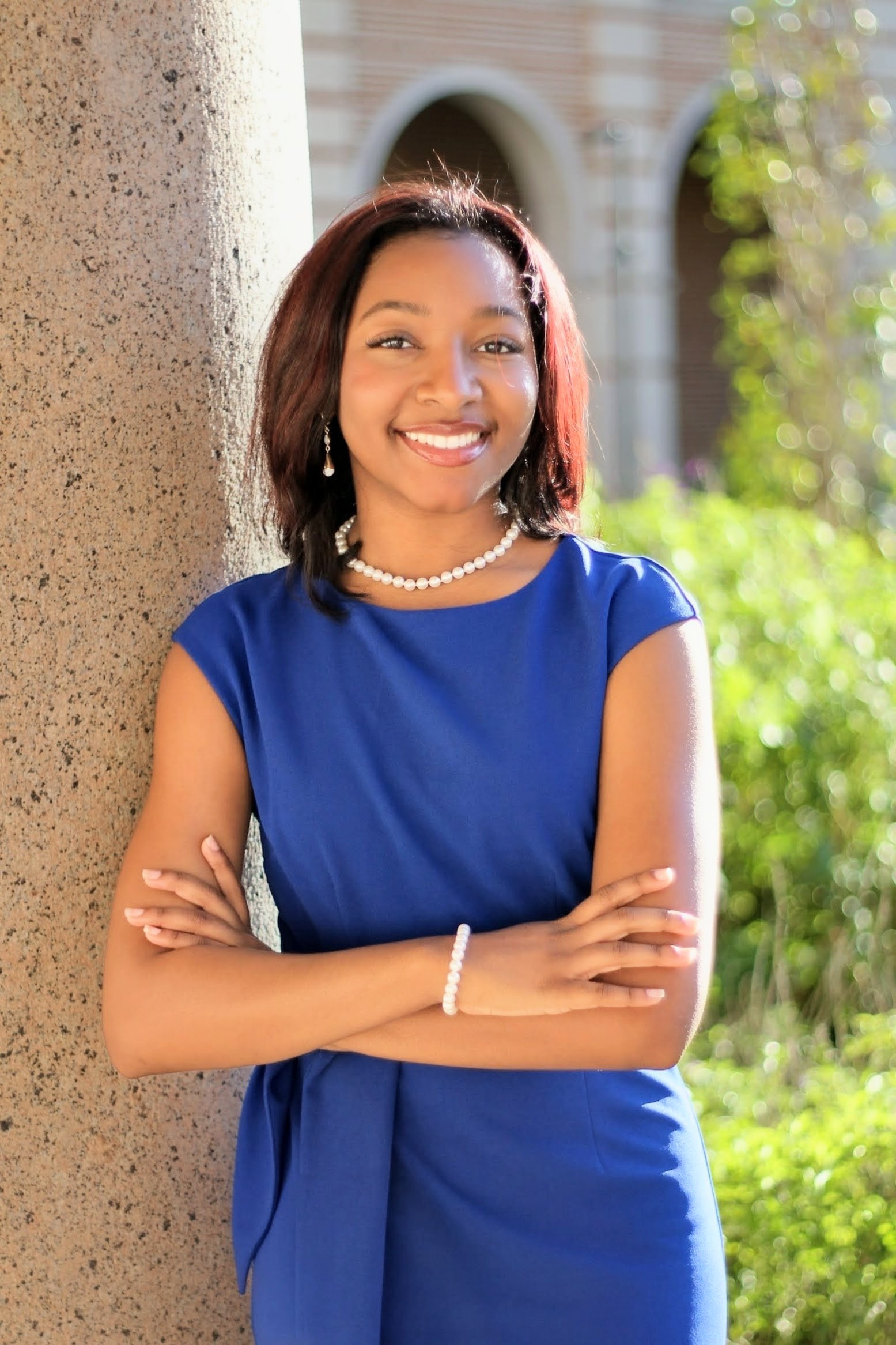
Rhiley Alexander
Richmond, Texas
Spring Break is supposed to be a time of happiness, laughter, family, and making memories. For most children, it means a break from school, sleeping in, spending time with friends, and enjoying the freedom of being young. However, Spring Break in March 2016 became a time my family would never forget, and not for the reasons anyone would hope. During what should have been a joyful week, my family experienced an unimaginable tragedy. I lost two of my cousins, Brianna and Jade, along with their friend Brittanie, in a devastating car accident caused by distracted driving. In one moment, three young lives were taken, and countless others were forever changed.
Brianna was 19, Jade was 17, and Brittanie was 18. They were young women with dreams, personalities, friendships, and futures waiting to unfold. They had so much life left to experience. There were graduations to celebrate, careers to pursue, milestones to reach, and memories yet to be made. Instead, their families were left planning funerals and trying to understand how something so preventable could cause so much pain.
I was only seven years old when this tragedy happened. At that age, I did not fully understand the dangers of distracted driving or the permanent consequences of someone's actions behind the wheel. I understood that my cousins were gone, but understanding what forever meant was something different. As I grew older, I began to recognize the true weight of what happened. My cousins were not simply names in a news story or another statistic about automobile accidents. They were members of my family. They were people who were loved, whose presence mattered, and whose absence would always be felt.
One of the most powerful moments surrounding their deaths happened during their memorial service. One of their brothers held up a cell phone and spoke about how attached society had become to technology. He explained that something we carry everywhere, something we use to communicate with people we love, can also become the very thing that takes someone away from us. That message has stayed with me throughout my life.
It is heartbreaking to think that something as ordinary as a cell phone could contribute to such an extraordinary loss. A text message, a notification, or a glance at a screen may seem harmless, especially when someone believes they can multitask. But driving requires complete attention. A person traveling down the road is responsible not only for their own life but also for the lives of passengers, other drivers, pedestrians, and families who expect their loved ones to return home safely.
The phrase "it only takes a second" is often used to describe how quickly someone can complete a task. But for my family, those words carry a much deeper meaning. It only takes a moment to become distracted. It only takes a moment to miss a traffic signal, overlook another vehicle, or fail to react to danger. Most importantly, it only takes a moment for someone's entire world to change.
Now, as a college student, I see how important this message is for people my age. My generation has grown up surrounded by smartphones, social media, and constant communication. We are accustomed to receiving immediate responses, checking notifications, and staying connected throughout the day. Whether someone is answering a Snapchat message, responding to a group chat, changing a playlist, or checking directions, distractions have become a normal part of everyday life.
Unfortunately, normal does not always mean safe.
I believe one of the greatest challenges in preventing distracted driving is helping young people understand that tragedy can happen to anyone. Many teenagers and young adults assume that serious accidents happen to other people. They believe they are careful enough, experienced enough, or skilled enough to look away from the road without consequences. But my family's experience reminds me that no one is immune to the consequences of a dangerous decision.
When I think about Brianna and Jade, I also think about the moments they never had the opportunity to experience. I think about the family celebrations where their presence should have been felt, the birthdays they should have celebrated, and the lives they should have continued building. Their deaths did not simply affect one family for one day. The impact continued long after the memorial service ended. Grief does not disappear when people return to their regular routines. It remains in photographs, family conversations, anniversaries, and the realization that someone you love will never walk through the door again.
That is why I believe personal stories are among the most powerful tools for preventing distracted driving. Statistics can inform people, but personal experiences can change how they think. Hearing about the number of lives lost in traffic accidents is important, but hearing about a family who lost two daughters, sisters, cousins, or friends makes the consequences more real.
I want to use my family's story to help create that understanding.
One way I would like to raise awareness is through student-led campaigns at high schools and colleges. Young people are often influenced by their peers, and I believe honest conversations can encourage safer choices. Schools could organize awareness events where students and families affected by distracted driving share their experiences. These events could include personal testimonies, videos, driving simulations, and commitments to distraction-free driving.
Social media could also become part of the solution rather than part of the problem. Platforms such as Instagram, TikTok, and Snapchat can reach thousands of young people within minutes. I would like to see campaigns that encourage students to activate their phones' driving focus settings, put their devices away before starting a vehicle, and remind friends that no conversation is worth risking someone's life.
A campaign called "Phone Down, Life Up" could challenge young drivers to commit to keeping their attention on the road. It would not simply focus on what drivers should avoid doing, but on what they are protecting: their futures, their families, their friendships, and the lives of strangers they may never meet.
I also believe parents and other adults must lead by example. Young drivers learn from the behaviors they see growing up. If adults regularly text, scroll through their phones, or become distracted while driving, young people may begin to view those actions as acceptable. Creating safer roads requires accountability from everyone, regardless of age or driving experience.
For me, being a responsible driver means understanding that every decision has consequences. It means recognizing that arriving safely is more important than responding immediately. It means having the discipline to ignore a notification, the patience to wait until a vehicle is parked, and the courage to remind others when their behavior is unsafe.
My experience has also influenced how I think about my future as a civil engineering student at Florida A&M University. I am passionate about creating infrastructure that makes communities safer and more resilient. While engineers can design safer intersections, improve roadways, and develop technologies that reduce accidents, even the best engineering cannot replace the responsibility of an attentive driver. Safe communities require both thoughtful infrastructure and responsible human decisions.
If sharing my family's experience prevents even one person from picking up a phone while driving, then I believe their story can make a difference. Nothing I say or do will bring Brianna, Jade, or Brittanie back. No awareness campaign can restore the moments their families lost. However, I can honor their memories by helping others understand the importance of making responsible choices.
March 2016 taught my family a lesson that no family should ever have to learn through tragedy. Spring Break, a time that should have been filled with happiness, became a reminder of how fragile life can be. Nearly eleven years later, the message remains just as important.
Behind every distracted driving statistic is a person with a name, a family, and a future. Behind every preventable death are people who must learn to live with an absence that never truly goes away.
My cousins deserved more time. Brittanie deserved more time. Everyone traveling on the road deserves the chance to arrive home safely.
The next time someone feels tempted to answer a message, check a notification, or look away from the road, I hope they remember that whatever is happening on their phone can wait.
Because it only takes a moment to lose a life, but the people left behind carry that loss for a lifetime.
Content Disclaimer:
Essays are contributed by users and represent their individual perspectives, not those of this website.