Lives are Worth More
2026 Driver Education Round 2
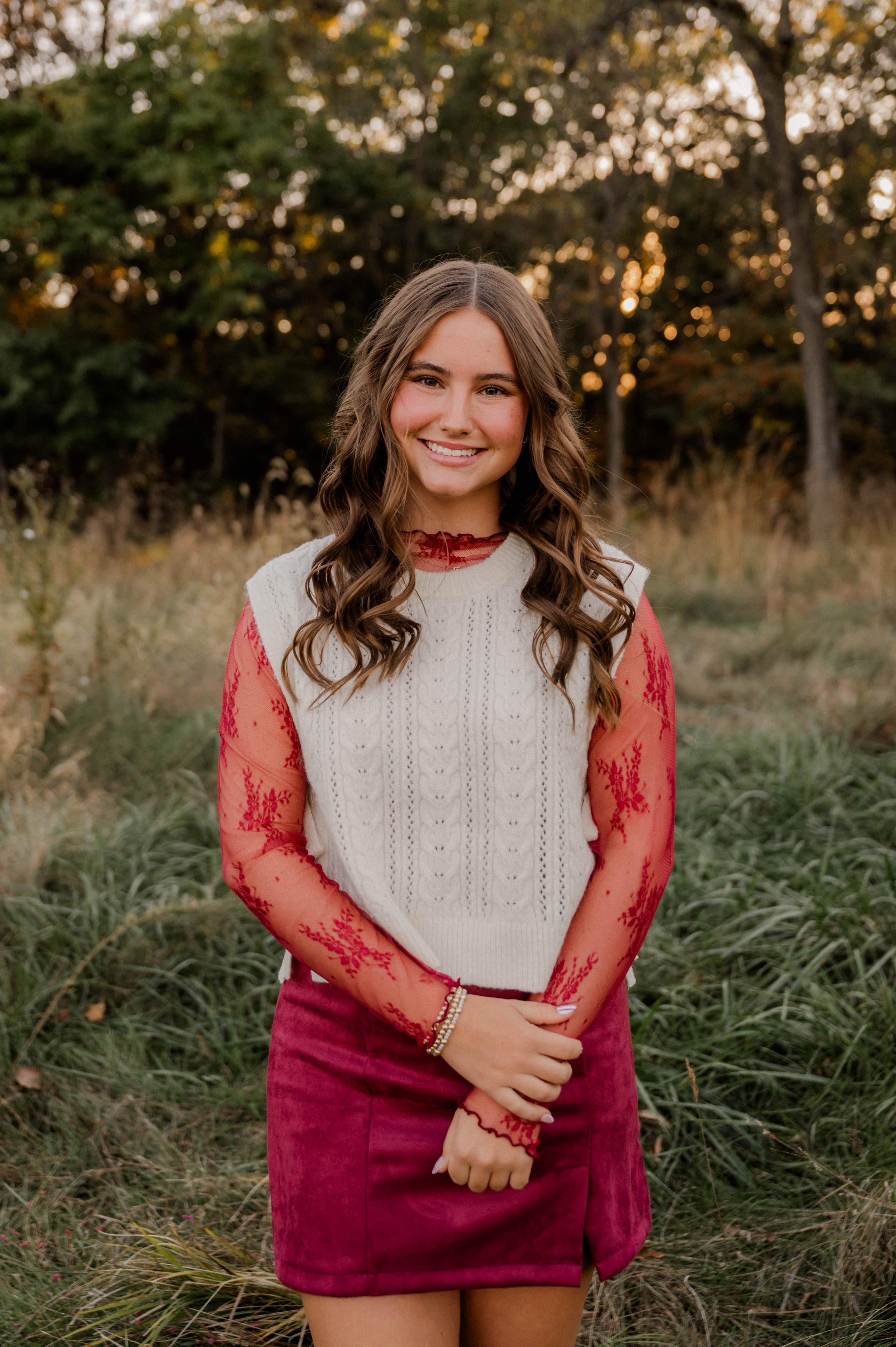
Karlee E Obert
Liberty, IL
Every day, lives are lost in an instant because of one careless decision. In the United States people have a choice. They can choose to get behind the wheel intoxicated and risk the lives of everyone on the road. Innocent people die every day because someone else was being irresponsible. These victims have families waiting for them at home who don’t deserve to lose a loved one due to the reckless decision of another. Although there are laws that prohibit driving under the influence, there aren't enough police officers to stop adults. Many drivers assume they won’t be caught, so they take the risk. Drunk driving is a serious problem in the United States that needs to be stopped.
First and foremost, there are already laws in place in the United States that regulate driving under the influence. These laws make it illegal to drink under the age of 21 and illegal to operate a vehicle with a blood alcohol concentration of 0.08% or higher. The purpose of these laws is to keep the roads safe, but people still choose not to follow them. According to the article, "How Many Drinks Is Equal To 0.08 BAC?”, “For men of average size and weight, consuming 4 to 5 standard drinks over two hours can result in a 0.08 limit. For women of average size and weight, consuming 3 to 4 standard drinks over two hours can also result in a 0.08 limit.” The National Institute on Alcohol Abuse and Alcoholism states, “On average, people consume roughly 2 to 4 drinks during a standard night out.” Based on these statistics, it can be argued that it is common for a person to go out drinking and be over the legal limit. Even though laws exist, there are not enough officers to catch all drunk drivers.
In addition, a person's chance of getting pulled over is very low. The National Highway Traffic Safety Administration (NHTSA) states that while driving over the legal limit, only 1 in 450 trips will result in an arrest. This gives drivers a level of confidence they shouldn’t have. People begin to think they are invincible and that no one can stop them. However, that wasn’t the case for Jian Chen. CBS News reported on a story titled, “Family of woman killed by suspected drunk driver seeks DUI reform in Colorado, hosts vigil,” which tells the story of how a mother, Jody Chavez, lost her life. Jody was a 36-year-old mother of seven. Her two-year-old son was also in the accident with her that night but survived. The article explains that Jian Chen, the driver who killed Jody, already had a DUI on his record and was later released on bail after the crash. Jody’s husband, Steven, is now fighting for stricter DUI laws in Colorado in memory of his late wife. The laws he is fighting for are higher set bails, making it harder to get your licence back after getting a DUI, and more serious repercussions like jail time for a DUI. He has seen first hand how devastating a loss like this can be for a family. The emotional toll of losing a loved one is overwhelming, and no family should have to endure such an unnecessary loss.
The Chavez family is not the only one affected by tragedies like this The National Highway Traffic Safety Administration states, “Every day, about 32 people in the United States die in drunk-driving crashes — that's one person every 44 minutes.” Those 32 people have mothers, fathers, siblings, and friends that will never see them again. Families are left to deal with years of grief because someone chose to get behind the wheel while intoxicated. The NHTSA also reports that, “About 30% of all traffic crash fatalities in the United States involve drunk drivers (with BACs of .08 g/dL or higher). In 2024, there were 11,904 people killed in these preventable crashes.” When the NHTSA describes these deaths as “preventable,” it truly means it. These tragedies could be avoided if people made better choices.
To conclude, more untimely deaths can be prevented if driving under the influence decreases. Innocent people’s lives end in an instant because of irresponsible decisions by others. If individuals are held more accountable for their actions and stronger enforcement measures are put in place, the number of drunk-driving deaths could significantly decrease. Stricter consequences, increased awareness, and more responsible decision-making could save thousands of lives each year. In the end, stopping drunk driving starts with one simple decision: choosing not to get behind the wheel. People in America can help as well. The government can make stricter rules and regulations against drunk driving. Bar owners can start enforcing more rules like taking a driver's keys once they open a tab. As well as having free and accessible breathalyzers that the public can use to check themselves or friends.
Content Disclaimer:
Essays are contributed by users and represent their individual perspectives, not those of this website.