More Than a License: The Choices That Bring Us Home
2026 Driver Education Round 2
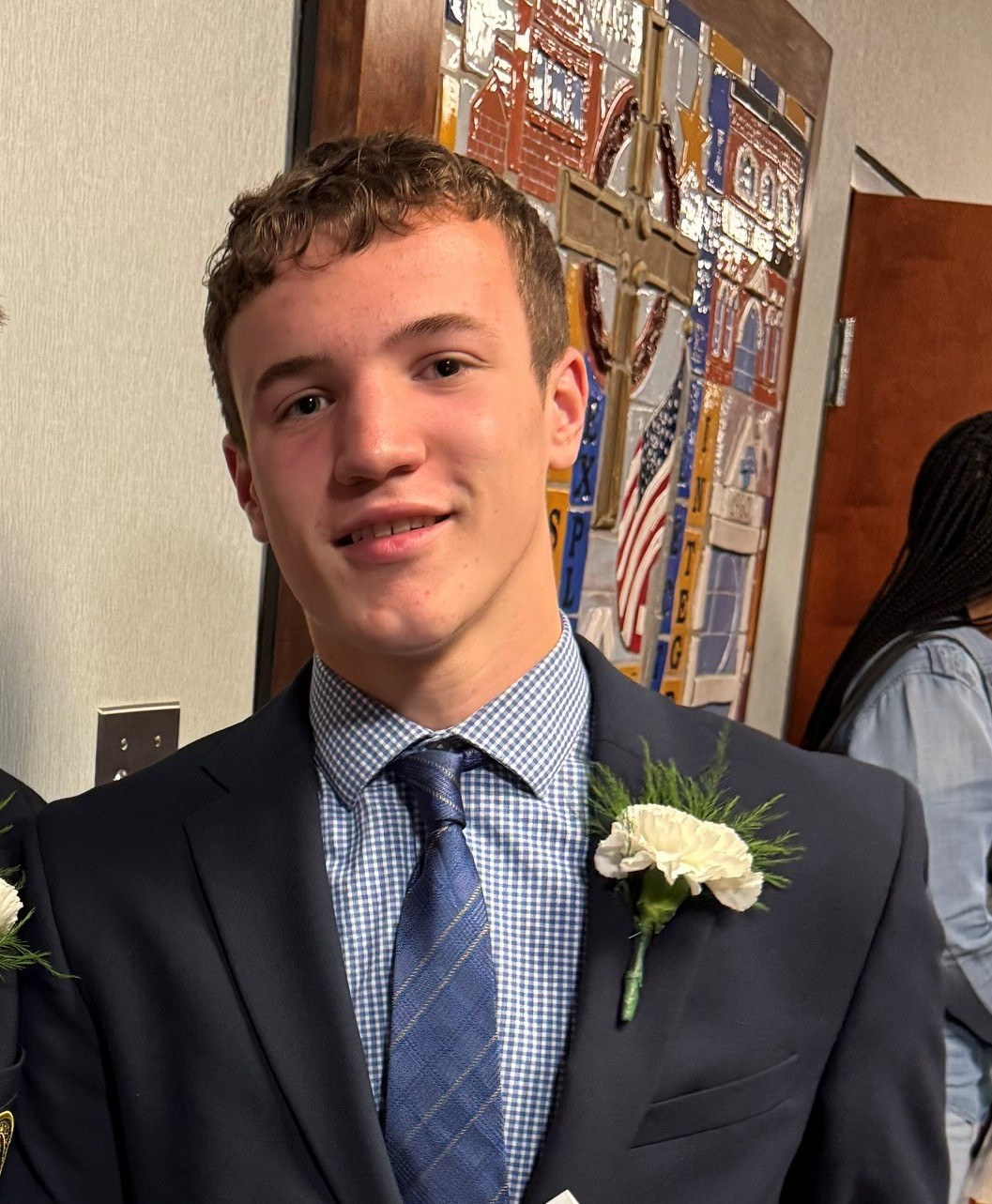
Matthew Jones
Willow Grove, PA
For many teenagers, getting a driver’s license represents freedom. It means being able to drive to school, go to work, make plans with friends, and no longer depending on your parents for a ride. When I first thought about learning to drive, that was my focus - independence. However, becoming a driver has made me realize that a license represents something much more important: responsibility. Every time I get behind the wheel, I am responsible not only for my own safety, but also for my passengers, other drivers, pedestrians, cyclists, and everyone else sharing the road.
It is difficult to think of an everyday activity as being more dangerous and deadly for our nation than being involved in combat. Driving is such a normal part of our lives that it can become easy to forget the risks involved. We are operating powerful machines at high speeds and one moment of distraction or one poor decision can have consequences that last a lifetime.
That is why I believe safe driving begins with education. Learning how to operate a vehicle is only the beginning. An educated driver understands traffic laws, recognizes hazards, adjusts to weather and road conditions, and appreciates how speed affects the ability to stop or react. More importantly, education teaches us that driving requires constant decision-making. Choices that seem small can become incredibly important when we are behind the wheel.
One of the greatest challenges for young new drivers is distraction. Phones are a constant part of our lives. We use them to communicate, navigate, listen to music, and stay connected. Behind the wheel, however, a text message or notification can become a dangerous interruption. It is tempting to believe that looking away for only a moment will not matter, but the road can change in seconds.
For that reason, one of the most important habits I have developed is making driving my only priority while the vehicle is moving. A message can wait. A notification can wait. Changing a song can wait. Nothing on my phone is more important than making sure I arrive safely.
Being a safe driver also means recognizing that I cannot control everyone around me. Even if I follow every traffic law, another driver may speed, run a red light, change lanes unexpectedly, or simply not be paying attention. Defensive driving means anticipating those possibilities instead of assuming everyone else will make the right decision. Maintaining a safe distance, checking mirrors and blind spots, and staying aware of my surroundings can give me the extra time needed to prevent an accident.
Weather and road conditions add another level of responsibility. Rain, snow, fog, darkness, and heavy traffic all require drivers to adjust. Arriving somewhere a few minutes earlier is never worth putting lives at risk. Slowing down, wearing a seat belt, increasing following distance, and remaining patient may sound simple, but safe driving is built on consistently making these ordinary decisions.
An educated driver must also recognize personal limitations. Fatigue, anger, stress, alcohol, and drugs can interfere with safe driving. Sometimes the most responsible driving decision is deciding not to drive at all. Calling for a ride, giving the keys to someone else, or waiting until conditions improve is not a sign of weakness, it shows maturity and foresight.
The comparison between driving and combat is especially powerful because we immediately recognize combat as dangerous, while driving often feels routine. That sense of routine can create overconfidence. Someone who would never knowingly put another person in danger may still decide to speed, check a text, or skip a seat belt simply because nothing bad happened the last time.
As a young driver, I understand that receiving my license does not mean my education is finished. Experience comes with time, and every trip is an opportunity to practice patience, awareness, and good judgment. Confidence is important, but knowing my limitations is equally important.
I also try to remember that the vehicles around me contain real people. The driver beside me could be someone’s parent. A passenger could be someone’s child or best friend. A pedestrian crossing the street has people waiting for them at home. Thinking about driving this way makes safety personal. My decisions do not affect only me but also everyone around me.
A driver’s license gives me freedom, but maturity means understanding the responsibility that comes with that freedom. I cannot control every danger I encounter on the road, but I can control my own choices. I can put away my phone, obey speed limits, remain alert, wear my seat belt, and never allow impatience or overconfidence to determine how I drive.
Ultimately, the most important part of any trip is not how quickly I arrive. It is arriving safely and doing everything I can to make sure everyone around me gets home safely too.
Content Disclaimer:
Essays are contributed by users and represent their individual perspectives, not those of this website.