More Than Just a License
2026 Driver Education Round 2
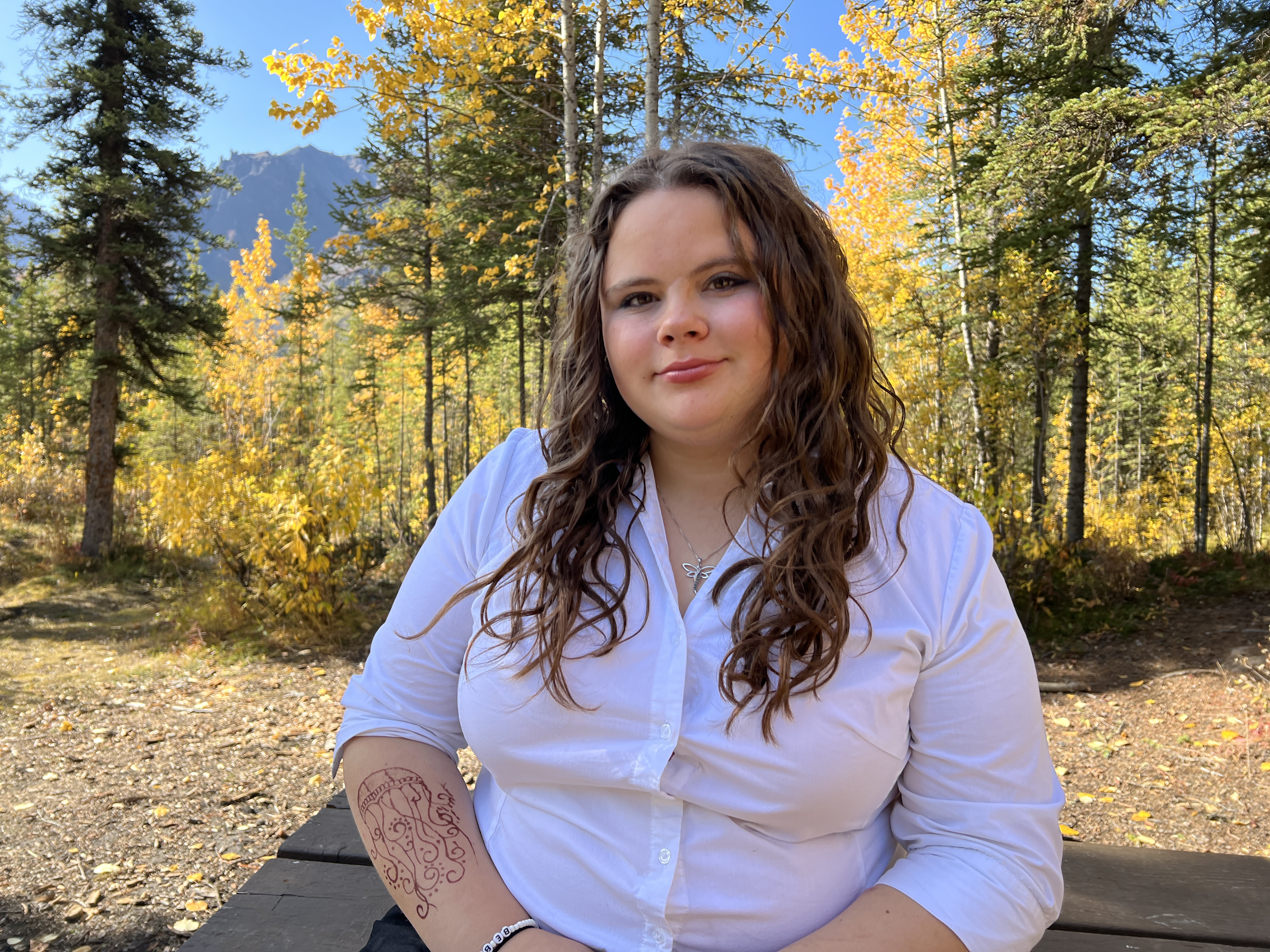
Nuala Rego
Nabesna, Alaska
Driving is something many of us take for granted. It gives us independence, allows us to travel, and connects us to people and places. However, driving also comes with serious responsibilities. One mistake, poor decision, or unexpected road condition can have life-changing consequences. I believe driver education is especially important because it teaches people not only how to operate a vehicle, but also how to recognize risks, make responsible decisions, and protect themselves and others on the road.
Driver education plays an important role in reducing traffic-related deaths because it prepares drivers for situations they may not have experienced before. Learning traffic laws, understanding road signs, maintaining a safe following distance, and recognizing dangerous driving behaviors can help prevent accidents. However, knowing how to drive is only one part of being a safe driver. Drivers also need to understand how weather, road conditions, distractions, and their own decisions affect everyone around them. Education helps build these habits before someone finds themselves in a dangerous situation.
Living in rural Alaska has given me a different perspective on road safety. Weather conditions can change quickly, and driving during the winter can be particularly unpredictable. Roads that seem familiar one day can become dangerous the next, especially when snow, ice, and limited visibility are involved. In rural communities, driving is often a necessity, and sometimes there are not many alternative ways to get where you need to go. This makes understanding road safety even more important.
In February, I was involved in a car accident during a whiteout. The accident was serious enough that I needed 12 stitches in my face and had to be transported by medivac to Fairbanks for medical care. It was a frightening experience, and it gave me a much more personal understanding of how quickly an ordinary drive can turn into an emergency. Living so far from larger medical facilities also made me realize how important emergency preparedness and access to medical care are. An accident does not just affect the people involved in the crash; it can also involve emergency responders, medical personnel, and family members. More recently, last month, I slid off the road while driving. Having two separate experiences with dangerous road conditions has made me much more aware of how unpredictable driving can be.
These experiences have taught me that even when you are trying to be careful, you cannot always control the conditions around you. However, you can control the decisions you make before and during a drive. I have learned the importance of checking weather forecasts, allowing extra travel time, keeping a safe distance from other vehicles, and recognizing when conditions are simply too dangerous to drive. Sometimes the safest decision is to slow down, turn around, or avoid driving altogether. I think these are lessons that every driver, especially those living in areas with harsh winter conditions, should understand.
There are several steps that can help reduce the number of deaths related to driving. First, drivers should avoid distractions, especially cell phones. Taking your eyes off the road for even a few seconds can have serious consequences. Speeding and driving too fast for weather conditions are also major risks. A speed limit is not always a safe speed, particularly when roads are icy or visibility is poor. Drivers should also wear seat belts, maintain their vehicles, check their tires, and make sure their headlights and brakes are working properly. In areas like rural Alaska, it is also important to prepare for emergencies by carrying appropriate supplies and letting someone know your travel plans.
Personally, I can become a better driver by continuing to practice defensive driving and recognizing my limitations. I want to be more intentional about checking weather forecasts and road conditions before traveling, leaving extra time to reach my destination, and being willing to change my plans when conditions become unsafe. I also think it is important to recognize that driving experience does not automatically make someone a good driver. There is always something new to learn, and even experienced drivers can make mistakes.
I can also encourage safer driving among my friends and family by speaking up when I notice unsafe behavior. Whether that means reminding someone to put their phone away, encouraging them to wear a seat belt, or suggesting that they slow down, small reminders can make a difference. I would rather have an uncomfortable conversation than stay quiet and risk someone's safety.
Ultimately, driver education is about much more than passing a test and earning a license. It is about understanding that every time we get behind the wheel, we are responsible for our own safety and the safety of everyone sharing the road. My experiences with a whiteout accident and sliding off the road have shown me how unpredictable driving can be. They have also reinforced that being a safe driver requires patience, preparation, awareness, and good judgment. We cannot control every condition we encounter on the road, but we can control the decisions we make.
Content Disclaimer:
Essays are contributed by users and represent their individual perspectives, not those of this website.