My distracted driving habit is... driving?
2026 Driver Education Round 1
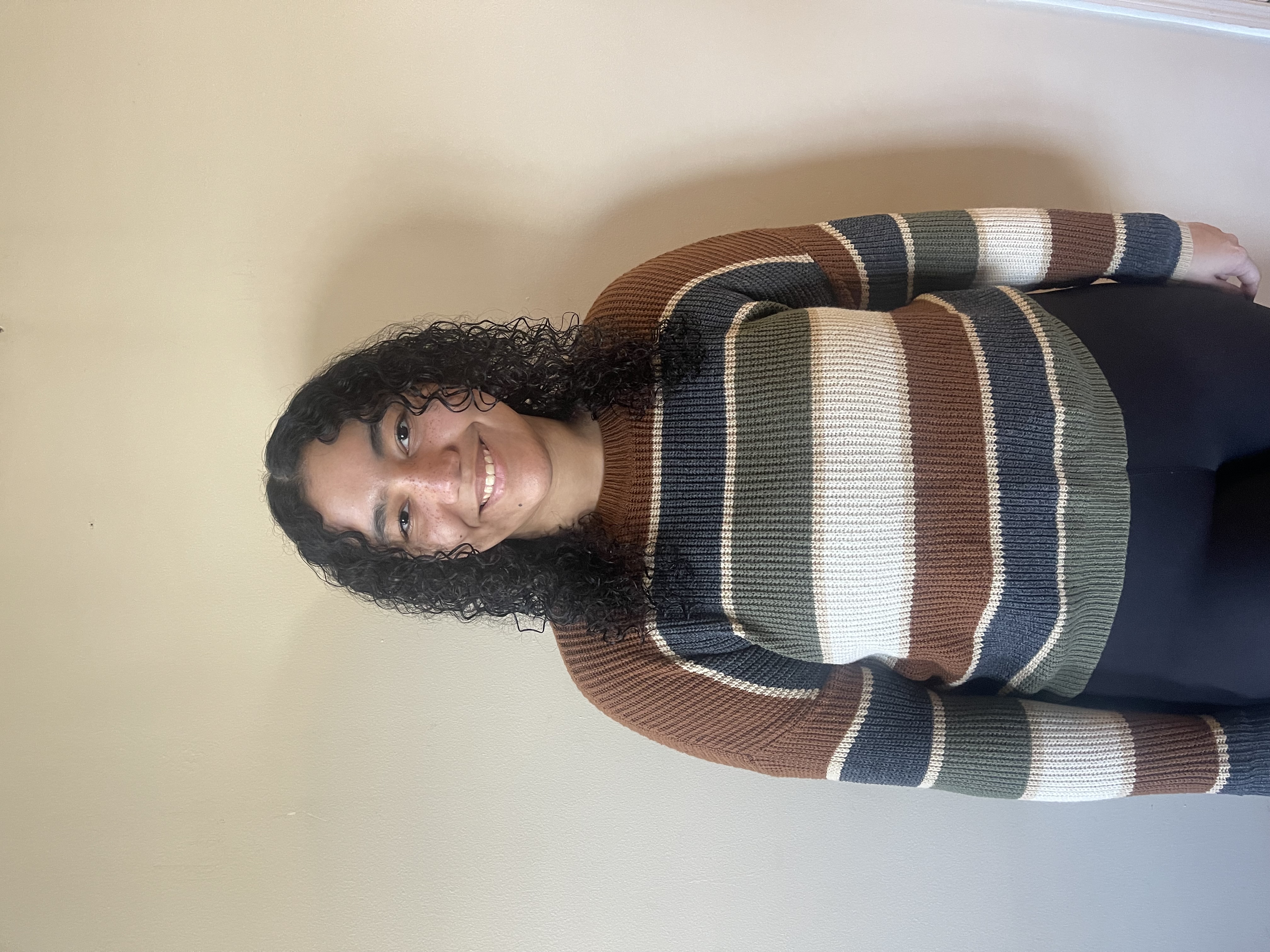
Gianna Johnson
Reading, PA
Everyone has their own distracted driving habits. My best friend talks a lot when driving and forgets to look at the road. My mom plays her music so loud that she can’t hear anything else happening outside. My habits are quite different from the common distracted tendencies… I find myself focusing too much on the act of driving, to the point where it becomes a distraction.
You may be thinking “that isn’t a real distraction,” but that statement is entirely false. It started when I turned sixteen, and immediately got behind the wheel with my permit. Practicing with my parents was definitely one of the worst experiences of my life, but I realized quickly that it wasn’t them to blame. It was my driving anxiety. I was never in an accident, but every member of my family was. Though this thought never penetrated my mind before, the thought of danger grew as I became the one responsible for driving. Over time, this constant fear and anxiety became a distracting habit. Now I was stuck with a driver’s license test in a few months, and a mind riddled with concern.
Six months later, I passed my test on the first try. Everyone was ecstatic except for me. I vowed to only drive from school and back, with no passengers. My parents thought I was ridiculous, but never considered my driving patterns to be a distracting habit. When driving, I noticed the main habit of mine was tunnel vision. I really focus on only one thing that makes me nervous, which then distracts me from the rest of the road. Along with tunnel vision, I also catch myself excessively checking my mirrors, or staring at a far ahead greenlight wondering if it will turn yellow too fast. It took me a while to acknowledge that these habits of mine were actually distracted driving habits, and not the ordinary precautions that all drivers must take. Now I have a proposed plan that could resolve some of my tendencies on the road. This is a three-step plan that I will follow in order to end my habits once and for all.
Step 1. When getting in my vehicle, I will check all excessive safety concerns beforehand. This will stop my habit of constantly fixing my mirrors when driving or using the windshield wipers to make sure that they work when actively on the road. I will do this every time I enter my vehicle, just to help put my mind at ease. Sometimes being "too safe" is just as dangerous as other bad habits, despite doing it for a good cause.
Step 2. Before taking off, I will only play calming music from now on at a moderate to low volume. Music is what alleviates my anxiety the most, so I always have music on at a respectable level. What becomes distracting is when the music is too fast or overwhelming. I will make a specific playlist with only calm songs to put on before driving my vehicle.
Step 3. When driving, I will use a three-fourths (¾) technique. I created this idea by breaking up the act of driving into four parts. This includes traffic laws, other cars, my car, and the environment. The three-fourths rule is that I must focus on three of the four sections of driving at all times. This step is the most important, because it is a great way to help my tunnel vision. For example, I tried this when driving recently, and instead of only looking at the car in front of me at all times, I made sure to check the surroundings around my car, as well as the car in front of me and the road signs as well. This rule may seem like a simple task, but it really calms my anxiety when driving.
These three steps are my plan to end my distracted driving habits from now on. Having a form of structure like this is really helpful, and will continue to influence my tendencies on a daily basis. I hope to share this plan with others who find anxiety to be a distracting habit, because this behavior is heavily overlooked. Even as a college student, I don't drive back and forth from Washington, D.C. to Pennsylvania. I know my limits, and I hope others recognize their own limits as well. Driving will always have distractions, but it is up to us to ignore them. Most importantly, it's vital that these uncommon habits are addressed, because distracted driving looks differently for everyone.
Content Disclaimer:
Essays are contributed by users and represent their individual perspectives, not those of this website.