One Decision
2026 Driver Education Round 2
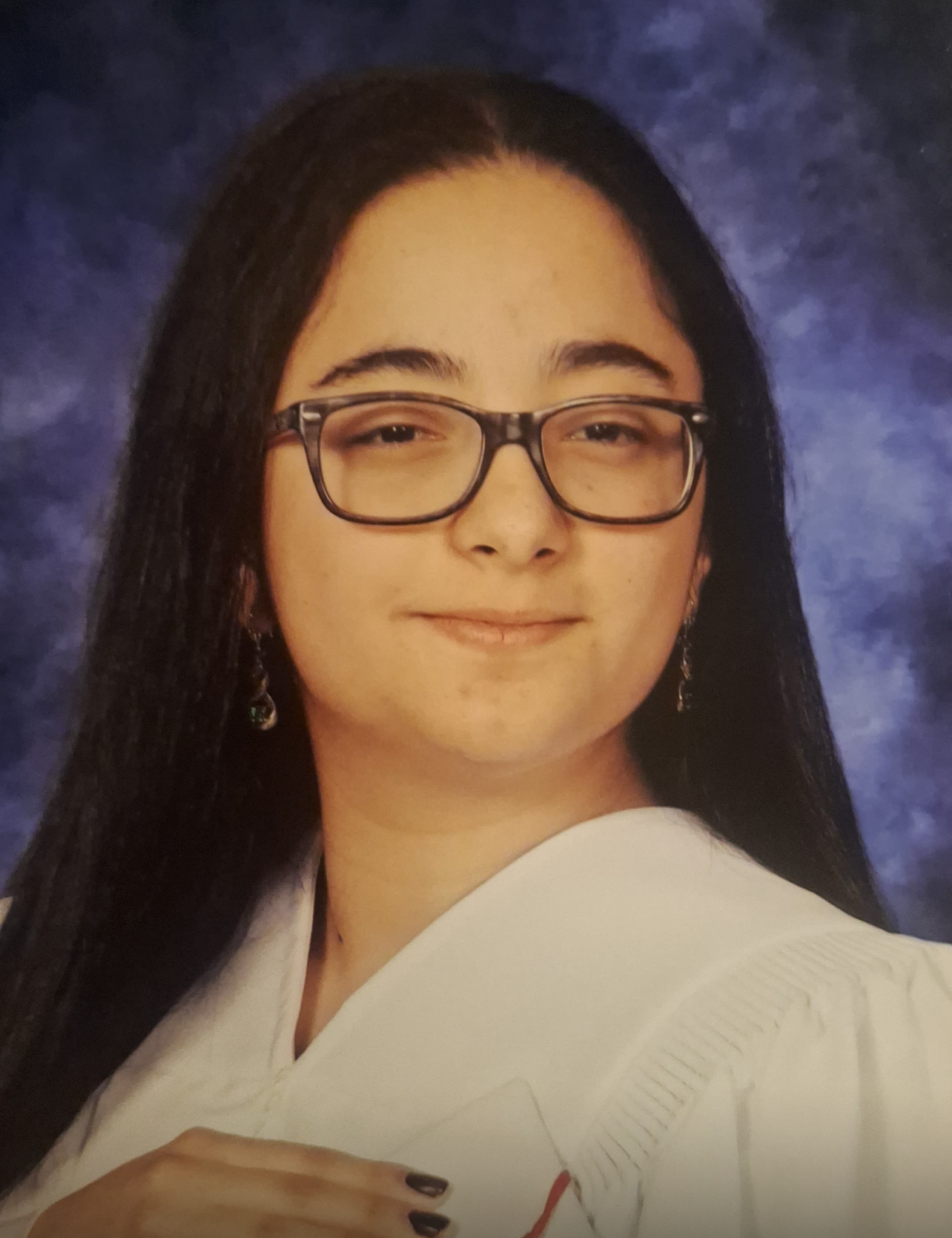
Melanie Hidalgo Vasquez
New Brunswick, New Jersey
I used to think safety was as simple as knowing the rules, but I’ve come to understand that even the most careful drivers can unintentionally neglect them. Knowing that you should not text while driving does not mean you will never reach your phone. Knowing that you should slow down or wear your seatbelt does not mean you wouldn’t speed when you’re running late or forget to buckle up. Driving requires the constant need for decisions, and sometimes one small decision can have fatal consequences far beyond expectation. Not every unsafe decision is accidental and some people make careless decisions for the thrill of enjoyment. Like speeding, treating the road as a place for a few seconds of an adrenaline boost. I have learned this, not only from being a passenger, but from watching how car accidents have affected my own family.
My understanding of those consequences became personal through my family. I have seen how an accident can affect more than merely inside a vehicle. An accident can affect someone’s physical health, their responsibilities, their family, and alternate the remaining years of their lives over a careless action. I have experienced how another person’s driving can put innocent people in danger, having been at the wrong place at the wrong time. So many fatal deaths have occurred because a vehicle had been placed in the wrong hands. Individuals have gotten their lives ripped apart because they were standing on the sidewalk before a drunk driver hit them. One day, I was in the middle of a police chase. A car had been speeding towards us and we were slightly ahead, avoiding being struck. What stayed with me was how quickly the situation could have changed. We were not participating in the pursuit, yet another person’s actions have affected our lives in a matter of seconds. That experience reinforced something that I already understand: another persons’ decisions do not only affect them.
One of the biggest problems with unsafe driving is that dangerous decisions do not feel dangerous in the moment. A driver may think that checking their phone will only be for a second. They may feel that they could quickly pick up something that fell. Multiple actions that an individual takes while driving may feel like it will not make a difference until unfortunately, it happens. Some may become distracted drivers because they feel as though they are comfortable with the road through many years of experience. The truth is, one could have the ability to recognize their daily route easily, but the issue is within the other drivers as well. One does not know whether an unsafe driver will encounter them on the road. These experiences have taught me how another person’s choices can place innocent individuals in danger. A driver does not get to decide whenever a consequence will occur. A person can make the same risky decision countless times, but they may encounter a situation that is out of their control the last time they do it.
For these reasons, I believe that being a safe and educated driver takes a lot more effort than just knowing the rules. Facts can be known, but not certainly taken into action. Drivers need to understand why it is that those rules were placed into action and what could happen when they are ignored. New drivers should be taught to recognize their own habits and change the bad ones. Being educated means to know when to put the phone away, to not drive with aggressive emotions, to slow down, and when a passenger is becoming too distracting. Young drivers, especially, should know that the desire for excitement in times of speeding is not worth the risk. Having a driver’s license does not automatically mean that every decision will be a good one. Individuals who have spent more than twenty years driving are still consistently learning the roads.
I believe that we should think differently about how we teach individuals about safe driving. Telling someone not to be distracted is not going to make someone understand the consequences. This is where storytelling can make a difference. As a film student, I have learned that stories can invoke emotions that sometimes instructions cannot. A short film that includes reckless driving could make the viewers recognize themselves in the situation and ask whether their next action is worth the potential consequences. The importance of being an educated driver is pivotal to accepting the responsibility that control regarding distractions can lead to their destination.
Content Disclaimer:
Essays are contributed by users and represent their individual perspectives, not those of this website.