One Moment, One Life
2026 Driver Education Round 1

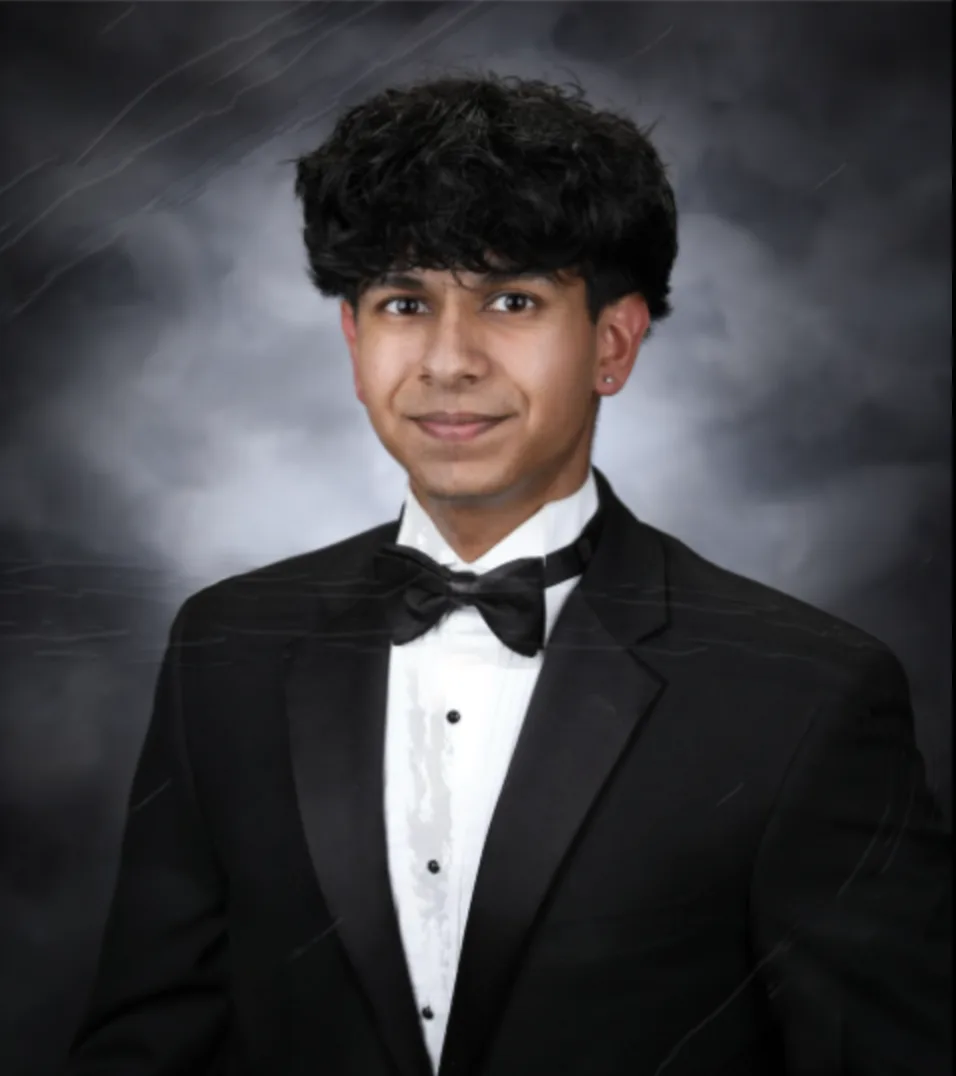
Riddhi Pandya
Doylestown, Pennsylvania
I heard the sound of screeching tires as I thudded forward in my car seat.
I was sitting at a red light, laughing with my friends, when my car suddenly reeled ahead from the force of another car crashing into the back of mine. My heart raced as I tried to process what just happened. When both of us pulled over, the other driver admitted he had been distracted by sending a text on his phone and never noticed that traffic had stopped. Although no one was injured, the accident left me shaken. The next few days, I replayed the memory in my head, and what struck me most was how preventable it was. We hadn’t been speeding or driving through bad weather; a small glance at a phone was all it took to cause a collision.
That moment permanently changed the way I viewed distracted driving. I had always believed distracted driving was something I could manage: I was the exception. I knew it was dangerous, but I also knew everyone else did it, believing it was normal. I would occasionally grab my phone at a red light to skip a song or check a text, convincing myself that it wasn’t distracted driving if the car wasn’t moving. Like many young drivers, I believed I could multitask.
Unfortunately, I experienced firsthand what happens when another driver looks away for "just a second,". The accident forced me to face an uncomfortable truth: I can’t expect every other driver to stay focused if I couldn’t hold myself to the same standard. This led me to evaluate my every habit behind the wheel. I recognized two distractions that consistently compromised my safety.
The first was my phone. Whether it was changing directions on my GPS or replying to a message, I treated my phone like my dashboard or CarPlay rather than an actual distraction. Even with Pennsylvania's hands-free law, I continuously justified using my phone at red lights because everyone else did. Doing this, I disregarded the fact that distraction doesn’t end when you put the phone down. Your mind remains occupied for several moments after you put the phone down, reducing your awareness of your surroundings.
The second distraction was music. Personally, I cannot drive without music playing, often at maximum volume. I eventually realized that the loud sounds drowned out the road noise, preventing me from hearing horns or emergency sirens. To drive safely, it’s important to also hear your surroundings, not just see them.
Recognizing these habits wasn't enough; action needed to be taken. I knew a change was imminent, so I created a system that reduced any distractions before I even started driving. I set my GPS, choose my playlist, and turn on Do Not Disturb before I put my car in gear. If I need to use my phone, I pull over into a parking lot before grabbing for it. I also keep my music at a level where I can clearly hear the sounds coming from outside of the car. If my friends are riding with me, I ask whoever is in the passenger seat to handle the music and navigation. While these habits are small and simple, they make a big difference in removing unnecessary risks and allow me to drive with focus and control.
While personal responsibility is important, I also believe education and legislation play a large role in preventing distracted driving. Pennsylvania recently enacted Paul Miller's Law, which prohibits drivers from using handheld mobile devices while driving, even while stopped in traffic or at a red light. This law sends an important message that distracted driving is dangerous regardless of whether the vehicle is moving.
However, I still believe additional measures could be taken to make this more effective. Many drivers view a small fine as just an inconvenience. Adding points to a driver's record would create lasting consequences by affecting insurance rates and encouraging long-term habit change. Repeat offenders should also be required to complete distracted-driving education courses that show the harmful consequences of these choices rather than just paying another fine. Finally, schools should incorporate driver safety education before students even earn their licenses. Building good habits early is easier than trying to break them later on.
The accident at that red light taught me something I will never forget. Every driver places a large amount of trust in the strangers sharing the road. We trust that they will stop when traffic stops, stay in their lane, and keep their attention on the road. The driver who rear-ended me broke that trust for only a few seconds on the phone, yet those few seconds were enough to cause an accident.
Being "in the driver's seat" means more than driving a vehicle; it means accepting responsibility for every decision made behind the wheel. While laws can encourage safer behavior, it’s the drivers who choose whether to reach for a phone or keep both hands on the wheel. After experiencing the consequences of someone else's distraction, I have learned that no notification or song is worth risking another person’s life for. The safest choice is the simplest one: keep your eyes on the road and hands on the wheel.
Content Disclaimer:
Essays are contributed by users and represent their individual perspectives, not those of this website.