Responsibility Behind the Wheel: Why Driver Education Saves Lives
2026 Driver Education Round 2
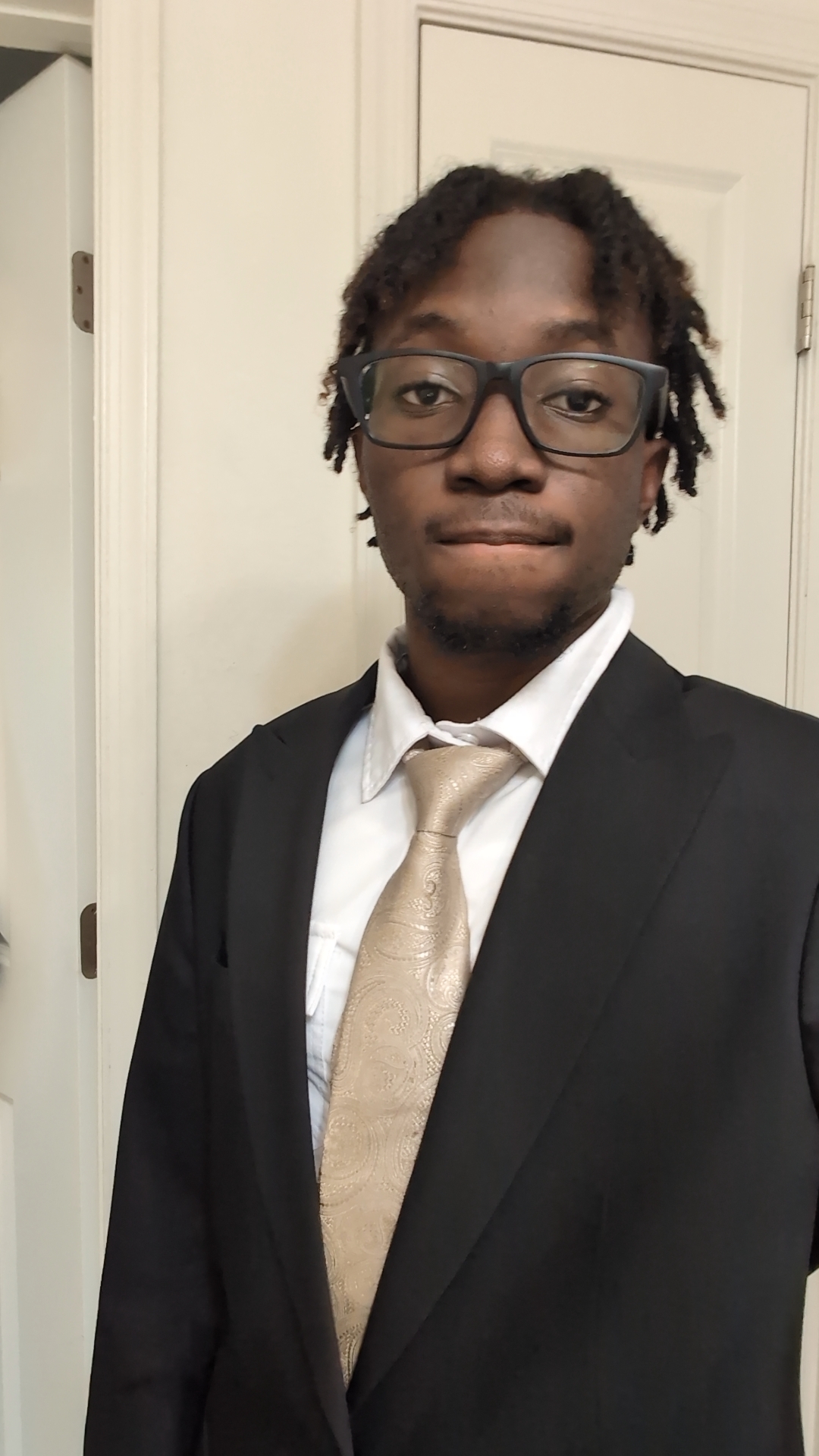
Oluwajomiloju N Ogunranti
Odenton, MD
Most teenagers look forward to getting a driver’s license as the ultimate sign of freedom, independence, and growing up. However, behind that excitement lies a serious reality that is easy to ignore until you actually sit in the driver’s seat yourself: operating a heavy vehicle is one of the most dangerous things an ordinary person does every single day. Learning that roughly 34,000 Americans lose their lives on the road each year—more than the total number of American soldiers killed in the Iraq and Afghanistan wars combined—completely changes how you look at a set of car keys. Driving is not just a routine privilege or a quick way to get from school to practice. It is a huge responsibility that requires steady focus, self-control, and genuine respect for every single person sharing the road.
Driver education plays a massive role in cutting down traffic deaths because it turns driving from guesswork into a structured, defensive habit. Without proper training, new drivers often pick up sloppy habits from people around them or treat driving like a casual video game where mistakes have a reset button. A good driver education class slows everything down and teaches students how to spot danger before it turns into a crash. Instead of just learning how to steer, brake, and pass a road test, educated drivers learn how to scan intersections, leave safe following distances, check blind spots properly, and understand how rain or dark roads change stopping times. Most importantly, driver education forces young drivers to face the real-world consequences of split-second choices. When you understand the actual physics of a crash and how fragile human life really is, you stop treating speed limits and stop signs like optional suggestions and start treating them as vital rules that keep people alive.
Lowering the number of driving-related deaths takes action from multiple angles, combining better daily habits, smarter car tech, and real accountability. First, stopping distracted driving needs to be treated just as seriously as stopping drunk driving. Smartphones are built to grab our attention, and looking down at a text for just three seconds at highway speed means driving the length of a football field completely blind. Turning on automatic "Do Not Disturb" settings and putting phones out of reach before shifting into drive can immediately stop thousands of preventable crashes. Second, schools and local communities should offer ongoing defensive driving refreshers instead of treating driver safety like a one-time checkbox at age sixteen. Finally, using modern car safety features—like blind-spot alerts, lane-departure warnings, and automatic emergency braking—as helpful backups rather than excuses to zone out helps catch honest human mistakes before they turn tragic.
Even though I have been lucky enough to avoid a serious car accident myself, I have seen up close how easily bad habits sneak into everyday driving. Riding as a passenger with friends or family members, I have noticed how fast a normal drive down familiar local roads in Maryland can get risky when someone gets too comfortable. Whether it is a driver glancing down to skip a song at a red light, rolling slightly past a stop sign because the street looks empty, or speeding up to beat a yellow light when running late for an event, those tiny shortcuts happen all the time. Watching those moments from the passenger seat made me realize that dangerous driving rarely starts with someone trying to be reckless; it usually starts with someone feeling rushed, distracted, or overconfident on roads they think they know by heart.
Because of what I have seen, I take specific, practical steps every time I get behind the wheel to be a safer driver and help my friends stay safe too. Before I even start the engine, I set my GPS, pick my music, and put my phone on silent so there is zero temptation to look away from the street. I also make a real effort to leave ten minutes early for school, tennis practice, or community volunteering so I never feel rushed to speed or weave through traffic just to beat the clock. Just as importantly, I try to set a good example when I am riding with friends. I always offer to handle the music or navigation so the driver can keep both hands on the wheel and eyes on the road, and I am not afraid to speak up calmly if someone is driving too fast or getting distracted. By combining solid education, everyday self-discipline, and a willingness to look out for each other, we can make sure getting behind the wheel stays a source of independence instead of tragedy.
Content Disclaimer:
Essays are contributed by users and represent their individual perspectives, not those of this website.

The importance of being safe driver to reduce the number deaths caused by an accident
Natalya Mleziva