Responsibility is Your Responsibility
2026 Driver Education Round 2
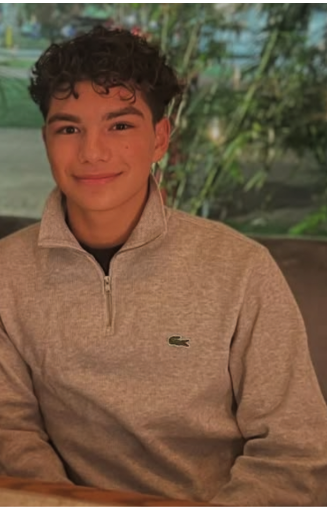
Niko Paros
Boca raton, Florida
I live in South Florida and witness actual and potential accidents every day. It is honestly a scary reality to go through, knowing that death can always happen anywhere but even more on our busy roads that connect our schools to our homes to our beaches and our city centers.
Driver education aims to lower deaths by educating drivers on the potential threats and advocating for safe habits on our roads. When drivers are more aware and practice these habits, the roads will in turn be safer and drivers can stay away from any recognized danger.
Despite knowing more, knowing is not everything. Sometimes the most basic things are not practiced. For example, if more people simply wore seatbelts, injuries from a possible crash may be less severe than those sustained by someone not wearing a seatbelt. I occasionally even see both old and young drivers under the influence-- unable to stay in their lanes and swerving near cars next to them. I know that many schools do certain important events focused on driving under the influence. For example, I remember my school having a drunk driving assembly for grades that are eligible to receive their permits/licenses. While the majority of us thought it was common sense to not do such things, the reality of it being so prevalent and having so many people suffer is a great reminder to always be safe. In my area, I notice that most drivers are distracted by their cell phones. Most newer cars have Bluetooth or Apple CarPlay, but many people do not use these features and drive with their phones in their hands. Because they're simply talking into them, texting, scrolling, or engaging in countless other distractions, these drivers are putting themselves and others at risk and have little initiative to put away their devices. I believe that Florida law enforcement should be more proactive in enforcing such laws. Before moving to Florida in the summer of 2023, I lived in New Jersey where authorities strictly enforced laws against phone usage while driving. If the same was done here, I think more people would have less incentive to be on their devices and ultimately be more focused on the conditions of the road. Overall, just do what is right. If it doesn't feel right, do not test it.
Although I share strong opinions on these issues, there are two I find the most important for new drivers: practice and knowing your limits. Firstly, you can take as many online courses or watch as many videos on driving as you please. To be behind the wheel with a supervisor is how you are going to learn to develop skills and become a better driver. I wish I had practiced more before I was on the road constantly because I may have never ended up in my fender bender that involved my poor parking skills in the school parking lot. I was simply inexperienced and I believe if I spent more time trying to park before, I would have been able to maneuver into that space safely. Having a license does not mean that you know everything. Rather, knowledge and experience come with time and practice. Even now, having my license for over 2 years, I do not feel I have completely mastered it yet despite taking driving lessons before obtaining my license. I am confident in saying I am not the only one in this position. In continuation, knowing your capabilities when driving is also very important. Some people are unprepared to be on the highway or switching in and out of lanes because they either won't feel safe or be careful. Just two days ago, my mother was on I-95 and someone tried to pass her going very fast and switched into her lane. Instead, they hit the front of her vehicle. Luckily, she did not spin out onto incoming traffic but it was a possibility. I realized I could have lost my mom the other day due to someone's unsafe conduct and lack of patience or time. And that also brings me to the fact that being in a rush does not serve as a justification to speed. If you, as a driver, are not sure about moving in and out of lanes and making bold and dangerous moves, do not. Anything is better than putting your or someone else's life at risk. Returning to the instance of my fender bender, if I had not tested the limits of my parking abilities and parked further away, I would have never hit the man's vehicle and I would have parked safely. Practicing until one is comfortable is a great way to develop one’s driving. If you feel uncomfortable, slow down and take the action that promotes safety most.
This is why I, as a driver, have two checklists. Before I start driving, I ensure that I am always in a good mental state, have my seatbelt on, have my bluetooth and navigation connected, check my gas tank, and leave early when I know I have somewhere to be. As I drive I check my surroundings when backing up, take the route I feel safest with, drive around the speed limit, use my turn signals, maintain distance from the other cars, keep both hands on the wheel, keep music on low, and check my mirrors frequently. When driving with others, I make sure they all wear their seatbelts and speak up if they are distracting me. In fact, I encourage my friends to tell me to stop something in case I distract them. With all of this, I am prepared before entering the vehicle, don't have to rush, am not distracted while actively driving, and send signals to others while having myself in control of my own vehicle. I hope others adopt similar habits.
I think if we all drove with such a checklist and such conduct, we could worry less about ourselves, others could worry less about us, and we would mainly have to check on those around us. Even the most responsible drivers have to remain alert since we could always reduce our risks to others but never eliminate all the risks to ourselves.
Living in South Florida, where driving is essential for daily life, I accept that driving is not simply about going places. Rather, driving is about accepting responsibility for your own actions while remaining aware of others.
Content Disclaimer:
Essays are contributed by users and represent their individual perspectives, not those of this website.