Safe driving from a first responder perspective
2026 Driver Education Round 2
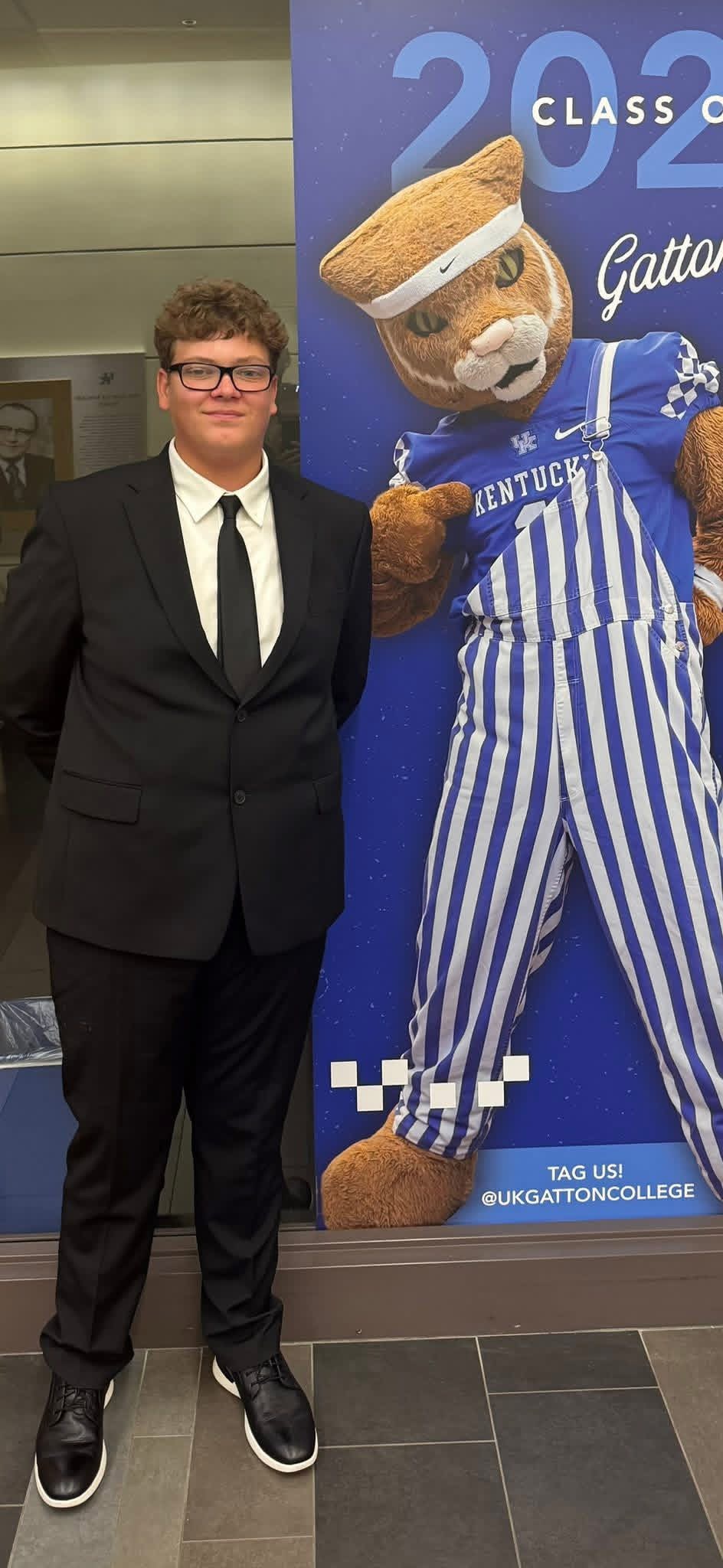
Sawyer Rodgers
Olive Hill, Kentucky
Getting a driver’s license is a key milestone for most teenagers on the path to adulthood. It means having freedom and independence without having to depend on someone else. But driving is more than just getting from one place to another. It is a responsibility that can affect your own life and the lives of everyone around you. Driving safely matters because one mistake can change many lives forever.
I learned about the importance of safe driving in a very personal way. My parents are first responders in Olive Hill, Kentucky, and they have seen the terrible effects of unsafe driving. They have responded to accidents involving young people, sometimes in the middle of the night. They have seen wrecked cars, injured people, and situations that no family should ever have to go through. The hardest part for them is seeing parents find out that their child did not survive an accident. Hearing these stories has changed the way I think about driving.
The moment I sit behind the wheel, I realize that I am not just responsible for myself. I am also responsible for the people riding with me and for the other people on the road. Driving can seem like an everyday activity, but it is not something that should be taken lightly. You could be listening to music, talking with friends, or thinking about where you are going. The road may seem like just another part of your daily routine. But one distraction can have serious and permanent consequences.
Distracted driving is one of the biggest risks for new drivers. With phones always nearby, it can be tempting to check a text, look at a notification, or change a song while driving. However, no message is worth risking a life. Even looking away from the road for a few seconds can mean traveling a long distance without seeing what is happening ahead. You might not notice another car stopping, a person crossing the road, or something in the road. The best thing to do is put your phone away and focus completely on driving.
Speeding is another dangerous choice that drivers make. Some people speed because they are in a hurry or because they think they can handle their vehicle. However, driving faster gives you less time to react when something unexpected happens. It can also make a crash much worse. It is not worth risking your life or someone else’s just to get somewhere a few minutes faster. Following the speed limit is not just about avoiding a ticket. It is about keeping yourself and everyone around you safe.
Safe driving also starts before you get in the car. Driving after drinking alcohol or using drugs can seriously affect a person's judgment, reaction time, and ability to control a vehicle. There is never a good reason to drive when you are impaired. If someone has been drinking or using something that affects their ability to drive, they should find another way home. Calling a parent, friend, or another trusted person is always better than taking a risk that could cost someone their life.
Defensive driving is also an important part of staying safe on the road. Even if you follow all the traffic laws, you cannot control what other drivers do. Another driver could run a stop sign, speed, change lanes without looking, or become distracted. By paying attention to other vehicles, keeping a safe distance, checking your mirrors, and staying aware of your surroundings, you give yourself more time to react. Being a safe driver means being prepared for mistakes that other people might make.
My parents’ experiences as first responders have shown me that car accidents affect more than just the people involved. They affect families and entire communities. Whenever my parents get a call about a serious accident, they must go and do their jobs, no matter how difficult the situation may be. For the families involved, however, the effects can last a lifetime. A few seconds of unsafe driving can lead to years of sadness and pain.
I believe safe driving is about more than following the rules. It is about valuing human life. The people who are hurt or killed in accidents are not just numbers. They are someone’s son or daughter, brother or sister, best friend, or parent. They are loved and expected to come home safely.
When I drive, I try to make responsible choices every time. I wear my seatbelt, follow the speed limit, stay off my phone, never drive impaired, and stay focused on the road. These choices may seem simple, but they can make the difference between someone getting home safely and a family receiving a heartbreaking phone call.
We all have a responsibility to make the roads safer. The fact that my parents have worked as first responders has given me a clear understanding of the serious results that can come from unsafe driving. I never want a careless decision to be the reason another family loses someone they love. Getting home safely is more important than getting somewhere quickly or taking a risk. For every driver, getting home should always be the top priority.
Content Disclaimer:
Essays are contributed by users and represent their individual perspectives, not those of this website.