The Freedom of the Open Road and The Responsibility to Protect It
2026 Driver Education Round 2
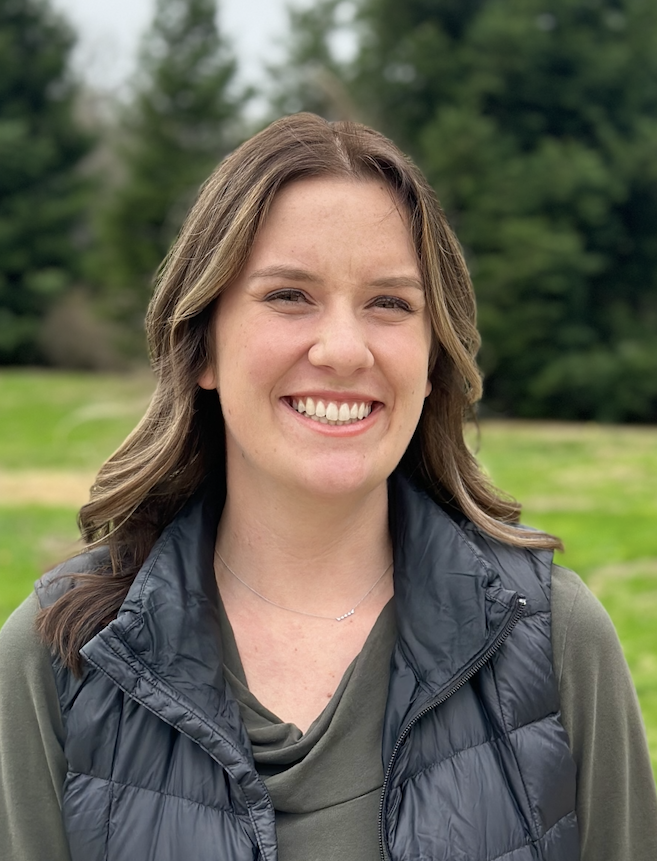
Brooke Osborne
West Sacramento, CA
The Freedom of the Open Road and The Responsibility to Protect It
When I came across this scholarship essay prompt, I felt an unexpected sense of obligation to write it. As a Master’s of Public Health student, I spend a lot of time thinking about prevention: how we can keep people healthy and safe before a crisis occurs rather than waiting to respond after one has already happened. I had not previously thought deeply about driver education through that same lens.
Then, recently a family friend of mine was unfortunately involved in a major car accident. They were in a coma in the ICU and are now facing months of rehabilitation at the hospital. I do not know that driver education could have changed what happened in their particular accident, and I would never want to oversimplify something so life-changing. But seeing the impact of one accident up close made this topic feel more personal. It also made me think about how many serious injuries and deaths on the road might be prevented if we placed greater value on teaching people how to be safe drivers.
That is why I felt an obligation to respond to this prompt not only as a student, but as someone who hopes to build a career in public health. Education is one of the most powerful forms of prevention we have. We teach people how to protect their health, prepare for emergencies, and recognize risks before they become crises. Learning to drive safely deserves the same attention.
Aside from my obligation as a public health student to write this, driving has been part of some of the happiest memories of my life. I am an identical twin, and when my sister and I left California to attend college in Texas together, we drove across several states together. We made that trip back and forth multiple times during college. There were long stretches of highway, questionable gas station snacks, music we sang along to far too loudly, and plenty of conversations that probably would not have happened if we had simply boarded a plane. One time we used a paper map instead of our smartphones to get home!
There is something about getting a driver’s license that feels deeply connected to the American idea of independence. For many young people, it is one of the first times they are trusted with real freedom. We grow up imagining road trips, drive-in movies, packing up the car with friends, and being able to go wherever the road takes us. Even today as society moves toward a future that may include more driverless cars and increasingly advanced technology, I hope we do not lose sight of the human responsibility that has always come with driving. A driver’s license should represent more than the ability to operate a vehicle well enough to pass a test. It should represent an understanding that getting behind the wheel means sharing responsibility for the people in your car, the families driving beside you, and the strangers crossing the street ahead. This is where driver education can make a meaningful difference.
Of course, drivers need to know the rules of the road. But safe driving involves much more than memorizing road signs or practicing parallel parking. Drivers need to learn how quickly distractions can take their attention away from the road. They need to understand how speeding changes their ability to react and how fatigue, strong emotions, alcohol, or drugs can affect their judgment. Just as importantly, they need opportunities to practice making good decisions before they are faced with a high-pressure situation. From a public health perspective, this is what prevention looks like. We cannot eliminate every risk, and we cannot prevent every accident. Roads are unpredictable, and sometimes terrible things happen despite someone’s best efforts. However, prevention is not about promising that nothing will ever go wrong. It is about reducing avoidable risks before they have the opportunity to cause harm.
There are practical steps we can take to reduce deaths related to driving. Driver education programs can place greater emphasis on real-world decision-making rather than treating a driver’s test as the final goal. Education about distracted and impaired driving should be ongoing, especially as technology continues to create new distractions. Communities can also encourage safer road design and make sure that people have access to reliable transportation when they are not in a condition to drive.
Technology will continue to be part of the solution as well. Features that warn drivers about potential collisions or help prevent a vehicle from drifting out of its lane can provide another layer of protection. In the future, driverless cars may change the way we think about transportation entirely. However, technology should not replace our responsibility to understand safety. Until every vehicle on the road can safely operate itself, and perhaps even after that, people will still need to make thoughtful decisions about how they travel.
Personally, this essay has challenged me to think about what I can do differently as a driver. I have never been in a car accident, and I am grateful for that. At the same time, I do not want my lack of personal experience with an accident to make me complacent. Being a safe driver means actively choosing to stay alert every time I get in the car. For me, that means limiting distractions, giving myself enough time so I do not feel tempted to speed, and being honest about whether I am too tired to drive safely. It also means being willing to speak up. If I am in a car with someone who is driving irresponsibly, I have a responsibility to say something. If a friend is not in a condition to drive, I can help them find another way home. These moments can feel awkward, but awkwardness is temporary. The consequences of staying silent can last much longer.
My family friend’s accident reminded me how quickly a normal day can become something entirely different. My experiences driving across the country with my sister have shown me the other side of that reality: how much joy, connection, and opportunity can come from the freedom to travel. I want both things to shape the way I think about driving.
As someone studying public health, I believe we should not have to wait until someone is in an ICU or beginning months of rehabilitation before we start talking seriously about prevention. When I saw this essay prompt, I felt a responsibility to use what I am learning to reflect on a topic that affects nearly everyone. Driver education may not prevent every accident, but education can help people recognize that the choices they make behind the wheel matter.
The open road has given me some of the best memories of my life. I hope that by taking driver education seriously, and by continuing to hold ourselves and one another accountable, we can help make sure the road remains a place where more people can safely create memories of their own. Being awarded this scholarship would help ease the financial burden of my education while supporting my continued growth as a public health professional. More importantly, I hope this essay serves as a reminder that safe driving is not just an individual responsibility, but something that affects everyone who shares the road. Thank you for your consideration.
Content Disclaimer:
Essays are contributed by users and represent their individual perspectives, not those of this website.
The importance of being safe driver to reduce the number deaths caused by an accident
Natalya Mleziva