The People I Can’t See From the Driver’s Seat
2026 Driver Education Round 2
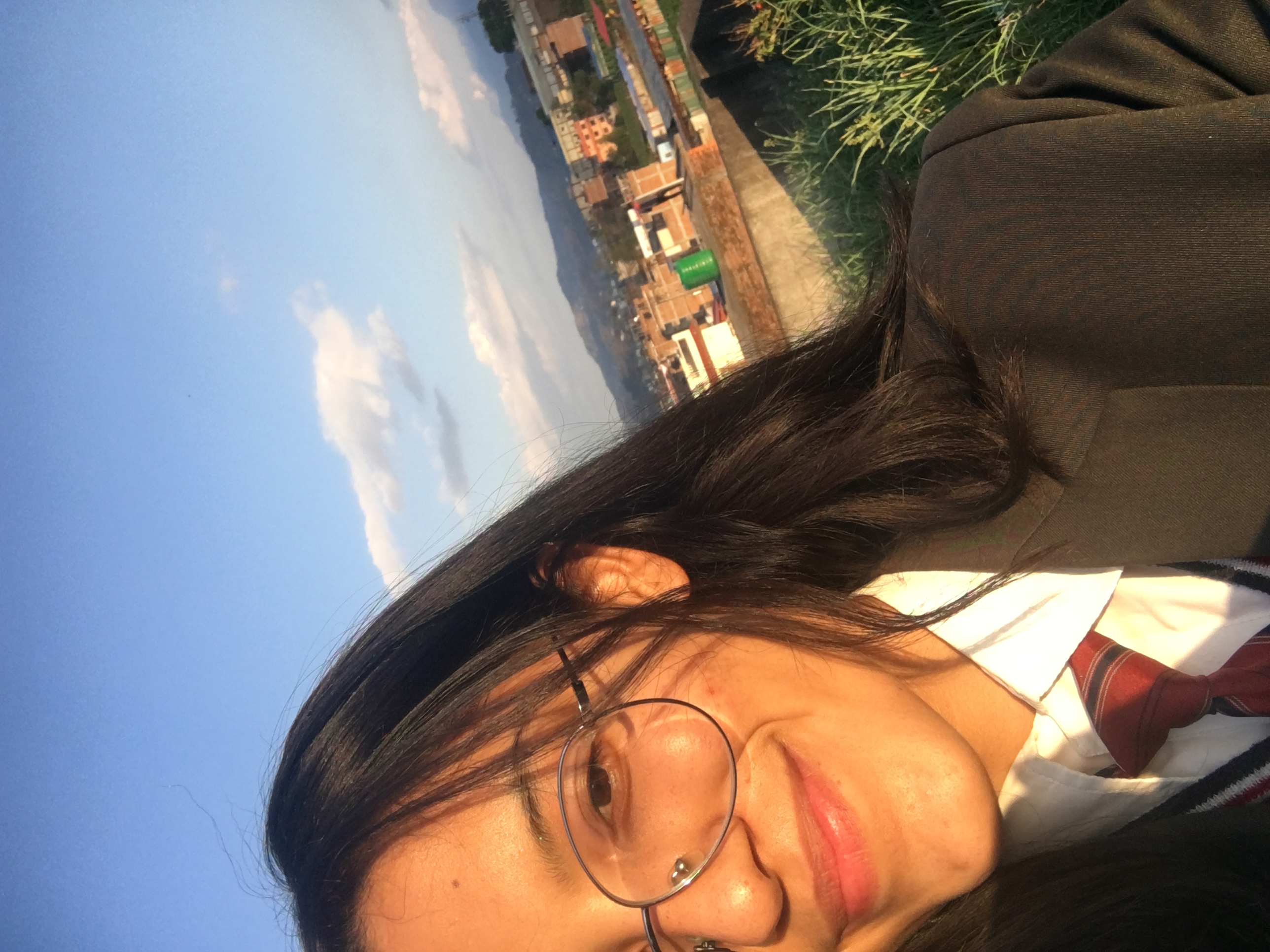
Pratibha Thapa
Hammond, Louisiana
I got my driver’s permit, but I didn’t feel like celebrating. I was scared. Every time I imagined myself holding a steering wheel, I thought about my friend.
I witnessed her car crash, and she was seriously injured. I still struggle with how quickly it happened. One moment, she was someone I knew going about her day. Then she was someone who could have lost so much. I don’t want to use her pain just to make a point. But that experience changed the way I see driving. A car isn’t only a way to get somewhere. It can change someone’s life in seconds.
What scared me most wasn’t only what happened to her. It was thinking about all the people who love her. A crash doesn’t stop with the person who gets hurt. It reaches the parents who wait for a call, the friends who keep checking their phones, and the people who suddenly wonder whether they’ll ever see someone again. I thought about my own parents, too. They’re back in Nepal while I’m studying in America. If I were badly hurt on the road, they’d be thousands of miles away. I can’t imagine putting them through that fear.
And yet, I know I have to learn to drive.
When I moved to Louisiana for college, I learned that life in the United States often runs on four wheels. A grocery store might not look far on a map, but getting there without a car can be a whole problem. Work, appointments, and even meeting friends can depend on whether someone is willing to give you a ride. I’ve had to depend on rides and use an e-scooter to get around. Sometimes, not having a car makes you feel as if everyone else can move through the day while you have to ask permission.
That’s the hard part. I’m afraid of driving, but I’m also afraid of being stuck without it. And I know I’m not the only one. In many American towns, driving feels less like a choice and more like something you must learn to do. That makes safety even more serious. When millions of people need to drive every day, we can’t treat the road like a place where small mistakes don’t matter.
I used to think a good driver was someone who could park well and pass the test. Now I think that’s only the beginning. A safe driver is someone who remembers that the other cars are not just cars. There might be a tired parent going home to a child, a student late for class, or a person on the way to the hospital. I won’t know their names. I’ll still be responsible for how my choices affect them.
For me, being educated means learning the reasons behind the rules instead of memorizing answers for a permit exam. Why should I leave extra room behind the car in front of me? Because I can’t control when that driver brakes. Why should I slow down in heavy rain, even if the speed limit hasn’t changed? Because my tires don’t grip a wet road the same way. Why should I check my blind spot before changing lanes? Because someone can be right beside me and still be invisible in the mirror. These sound like little things until someone gets hurt because they were ignored.
Being responsible is harder. It means doing the right thing when nobody is grading me. I can put my phone away before starting the car instead of telling myself I’ll only look for a second. I can stop fully at a stop sign even when the street looks empty. If I’m exhausted, I can admit I shouldn’t drive yet. If a passenger wants me to speed because we’re late, I can say no. It might feel awkward for a moment. A crash would last much longer in everyone’s life.
I also think we need to change what we praise. People laugh about driving fast or being able to text without looking down for long. We call slow drivers annoying. But I’d rather be the friend who gets teased for being careful than the friend whose family gets terrible news. Being safe shouldn’t be embarrassing. Making it home should be the normal thing we celebrate.
I don’t know every reason my friend’s crash happened, and I won’t pretend that every crash can be avoided. Some things are outside a driver’s control. But many risks aren’t. Putting down a phone, leaving space, paying attention at intersections, wearing a seat belt, and choosing not to drive when impaired or too tired can keep an ordinary trip from becoming a tragedy. None of these actions is exciting. That’s exactly why we forget how much they matter.
My fear hasn’t disappeared since I got my permit. I’m still nervous about driving on busy roads. But I don’t want fear to make every decision for me. I want to turn it into patience. I want to practice until checking mirrors and watching for people near crosswalks become habits. When I make a mistake while learning, I want to understand it instead of hiding it. Passing the test will prove that I learned enough to begin. The real test will be what I choose to do every single time I drive.
Someday, I hope getting into a car feels normal to me. I hope I can drive to work or buy groceries without having to think so hard about it. But there’s one thought I never want to lose: everyone on the road has someone who wants them home. My friend taught me that in a way I wish I’d never had to learn. If I remember that, especially when I’m in a hurry, I won’t just be getting myself somewhere. I’ll be helping other people get home, too.
Content Disclaimer:
Essays are contributed by users and represent their individual perspectives, not those of this website.