The Responsibility Behind the Wheel
2026 Driver Education Round 2
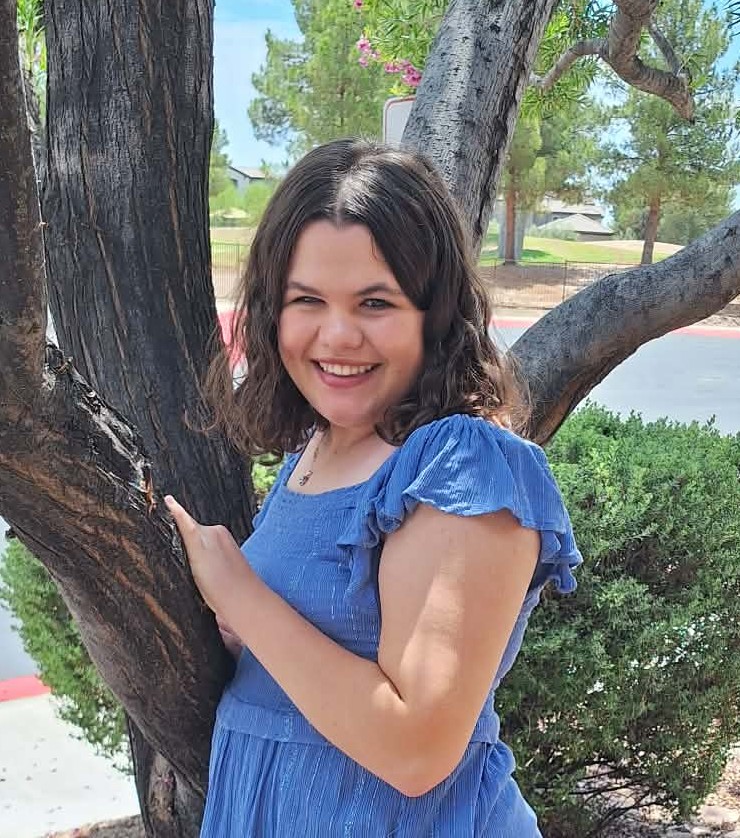
Emel Akbulut
Tucson, Arizona
Before I was old enough to be behind the wheel, I experienced how quickly driving can become dangerous. My family was involved in an accident during an Arizona dust storm that seemed to come out of nowhere. Visibility changed dramatically in a matter of seconds. Even though I was a passenger, the experience stayed with me. It made me realize that driving safely isn't just about following traffic laws, which are important, or knowing how to operate a vehicle, which is also important. It also means understanding that conditions can change unexpectedly and being prepared to make responsible decisions. When I eventually learned to drive, I carried that experience with me. I became a more cautious driver and more aware of the responsibility that comes with being behind the wheel.
Driving is a responsibility that requires one to have knowledge, judgment, and practice. The process of learning to drive is more than learning how to turn, stop, park, parallel park (which I still struggle with), or pass a driving test. Driver education revolves around understanding how a vehicle operates, recognizing potential dangers, and knowing how to handle the unexpected. Any driver who understands traffic laws and safe driving practices will be better prepared to make decisions that could ultimately prevent an accident and save lives.
This is particularly true for new drivers. Getting a driver's license for the first time is exciting. The ability to drive oneself comes with a newfound independence but also with immense responsibility. New drivers must understand that there are risks when getting behind the wheel. One of the advantageous things about driver education is it provides an opportunity to learn about these risks before getting on the road. The habits developed during driver education can last a lifetime. My parents understood the value of driver education and enrolled me in a driving school so that I would learn how to drive properly and understand what being a responsible driver involves. I am so grateful they did because it gave me a foundation to be a safe, responsible driver.
There are several steps one can take to help reduce the number of driver-related deaths. One of the most important is reducing distractions, specifically the cell phone. When the notification sound goes off for a text message or the phone rings, it is very tempting to check or answer a call. However, driving requires attention, and even quickly checking a notification can cause one to take their eyes off the road momentarily and could result in serious consequences. That is why, when I started driving a little over a year ago, I made the decision that I would not text or use my cell phone while driving. I do not want something happening on my phone to distract me from something that could impact my life or someone else’s.
Another important step one can take is to follow the speed limit and adjust speed to match road conditions. Rain, dust storms, or poor visibility can all change what speed is safe. Living in Arizona, where we experience monsoon season, has made me more aware of how quickly the weather can change. My family’s accident during a dust storm showed me that drivers can’t always predict their circumstances, but being a safe driver means paying attention to the environment and recognizing when conditions shift and require extra caution.
It also means wearing a seat belt, following other vehicles at a safe distance, and obeying traffic signals. Although these may seem like obvious rules, they are important. They protect not only the driver but also those in the vehicle and anyone else sharing the road. I once rode with a friend who followed way too closely behind other cars on the interstate. It made me scared because I kept thinking about how little time there would be to react if the car in front of us suddenly slowed or stopped. It was a reminder that even when I am not driving, someone else’s decisions can affect my safety. It also reinforced why I want to maintain a safe distance when I drive.
Ultimately, I believe one of the best ways I can become a safe driver is to recognize I still have more to learn. I am not an expert. I need to continue practicing and learning from the mistakes I make, like parking too close to a pole and hitting the driver's-side door when trying to get out (whoops). I can also lead by example by reminding my friends and passengers to wear their seatbelts and not to text and drive. And even though I can take all the precautions to be a safe driver, my family’s accident taught me that dangerous situations can develop in seconds. As a new driver, I have a responsibility to stay alert, avoid distractions, and make thoughtful decisions, like getting off the road and staying put until the weather conditions change. As much as I wish I could, I can’t control every situation that happens on the road, but what I can do is recognize that driving is a privilege that comes with great responsibility. Every time I get behind the wheel, I need to take it seriously.
Content Disclaimer:
Essays are contributed by users and represent their individual perspectives, not those of this website.