The Stranger Who Stopped
2026 Driver Education Round 1
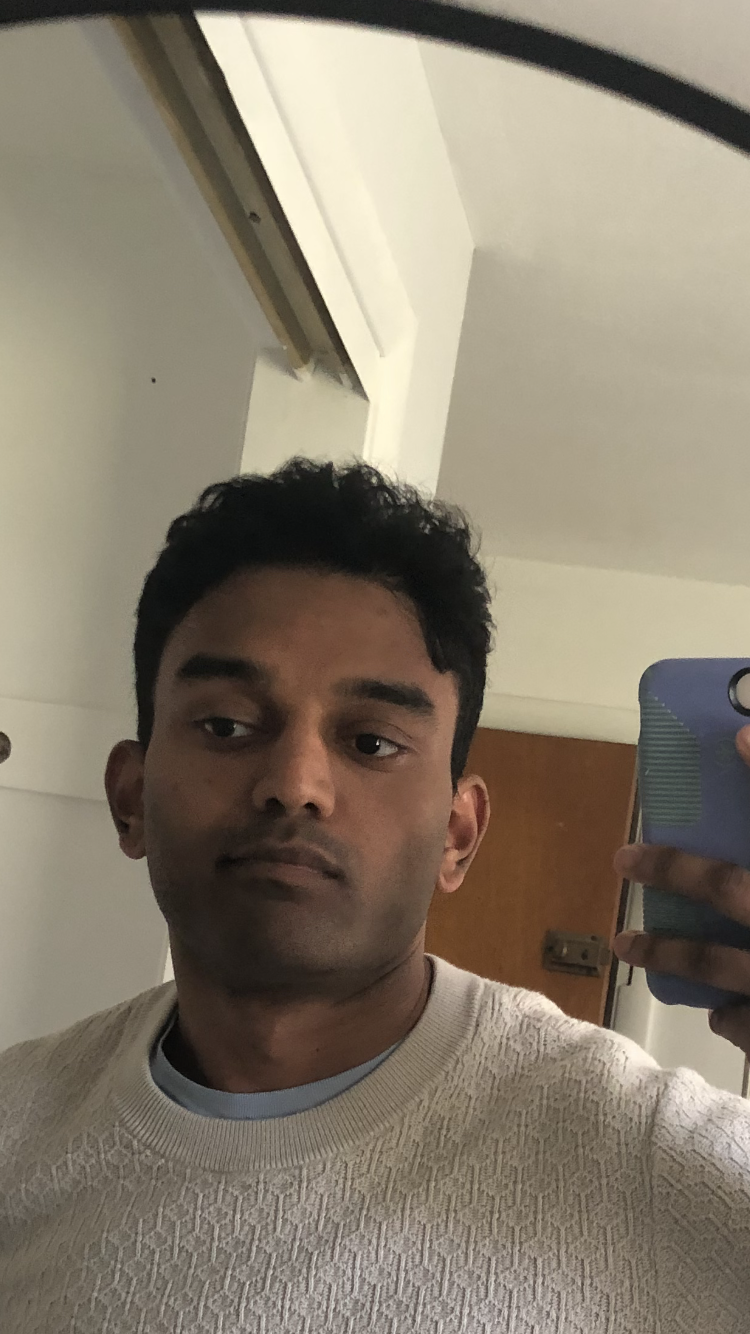
Sameer Khalifa
Billerica, MA
I know what it means to need a stranger to stop.
I grew up in a home with no furniture, no beds, and no television, in a family that had nothing when they arrived in this country. My parents came from India speaking no English, without diplomas, without any of the things that make a new country feel navigable. They worked twelve to fifteen hour shifts and locked my six year old self and my younger sister inside our empty apartment because there was no one else to watch us. I remember my father carrying my very sick elementary school body to the street in the middle of the night, standing in the dark, holding me up and waiting. Hoping someone driving by would stop and take us to a hospital. Someone did. That driver had no obligation to us. They simply saw two people who needed help and chose to be present enough to notice.
That moment lives in me permanently. And every time I sit behind a wheel, I carry it with me. I carry the weight of what it cost my father to stand there. I carry the gratitude for the person who looked up when it mattered. And I carry the quiet, unwavering commitment to be that person for someone else.
Most people think of driving as routine, a mechanical task performed between destinations. But the statistics surrounding driving in America tell a profoundly different story. An average of 34,000 Americans die every year as a direct result of driving, a number that exceeds the total American military deaths from both the Iraq and Afghanistan wars combined. More Americans die on roads within a two year span than died during the entire Vietnam War. These are not abstract numbers. They are people who left home one morning expecting to return, and did not. They are families standing in the dark on a street somewhere, waiting for someone who will never arrive.
The leading causes of these deaths are not mechanical failures or unavoidable accidents. They are choices. Distracted driving, impaired driving, speeding, and fatigue account for the overwhelming majority of fatal crashes. Each of these is a decision made, or not made, in the moments before impact. That is both a sobering and an empowering truth, because it means that driver education, genuine education rooted in awareness and responsibility rather than checkbox completion, has the real potential to save tens of thousands of lives every year.
Driver education at its best does not simply teach people how to operate a vehicle. It teaches them how to think behind the wheel. It builds the habit of scanning intersections before entering them, the discipline of putting a phone face down before starting the engine, the judgment to recognize when fatigue has compromised reaction time and to pull over rather than push through. These habits do not develop automatically. They are cultivated through deliberate instruction, repeated practice, and an honest reckoning with the consequences of inattention.
The most dangerous assumption a driver can make is that skill and experience make them immune to error. Experienced drivers cause accidents every day, often precisely because familiarity has bred complacency. The road demands something that no amount of experience can render unnecessary, and that is active, conscious presence. Every trip, every turn, every merge requires that a driver be fully in the seat, not half there and half somewhere else on a phone screen or lost in a distracted thought.
I think often about what it would have meant if the driver who stopped for my father and me that night had been looking at their phone. I would not be here to write this essay. That is not a dramatic statement. It is simply true, and I hold it close every time I drive. It is the reason I silence my phone before I start the engine, the reason I pull over when I feel my focus slipping, and the reason I take no drive for granted no matter how short or familiar the route.
I am pursuing a Master of Science in Data Science at Merrimack College, building a career around using information to improve decisions and outcomes in the real world. I believe that better driver education is one of the highest leverage interventions available to reduce preventable death in this country. The data supports it. The human cost demands it. And the memory of a stranger who stopped on a dark street because they were paying attention reminds me, every single day, of what is possible when a person behind a wheel chooses to be fully present.
Drive like someone's father is standing on that street. Because somewhere, he is.
Content Disclaimer:
Essays are contributed by users and represent their individual perspectives, not those of this website.

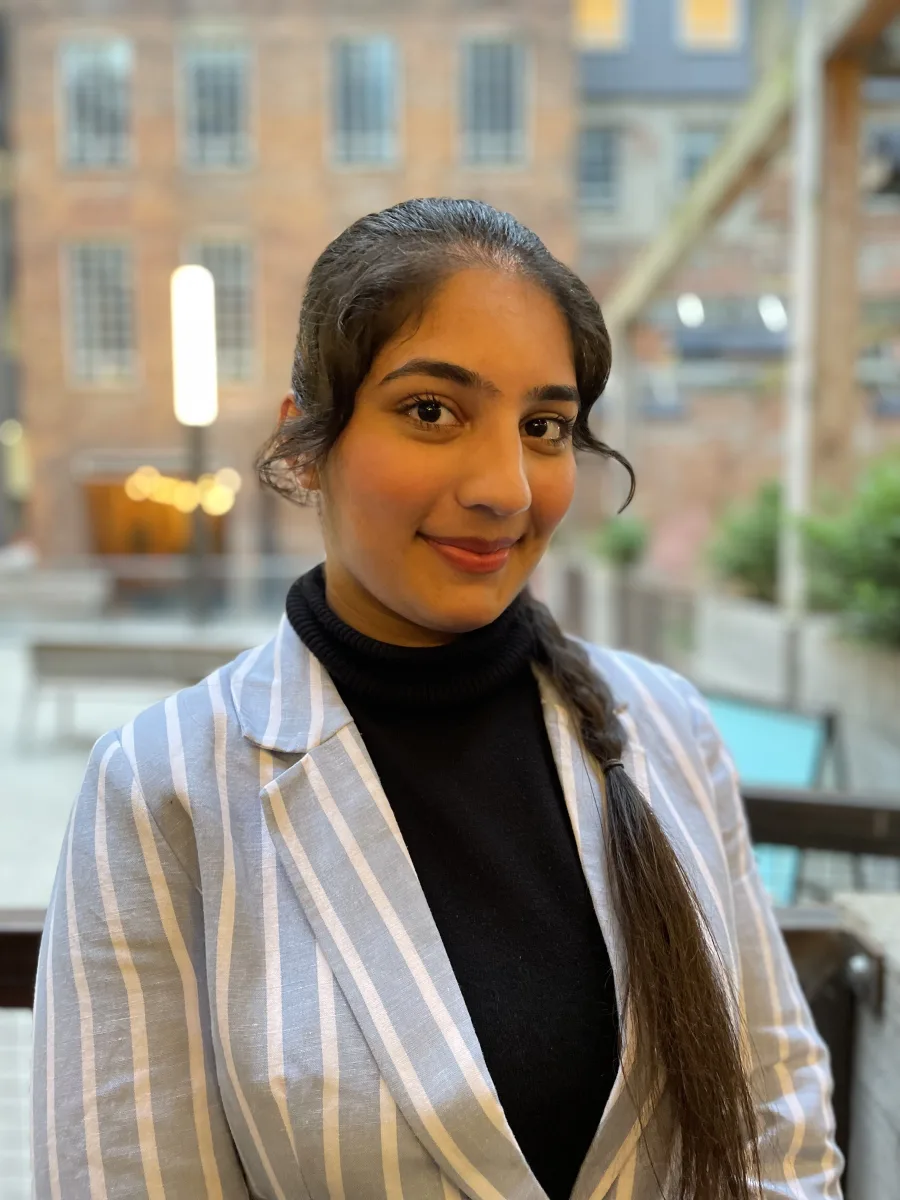
In The Driver’s Seat: The Lessons My Father Taught Me About Safe Driving
Gurleen Kaur Munder