The Weapon We Hold, The Lives We Protect
2026 Driver Education Round 1
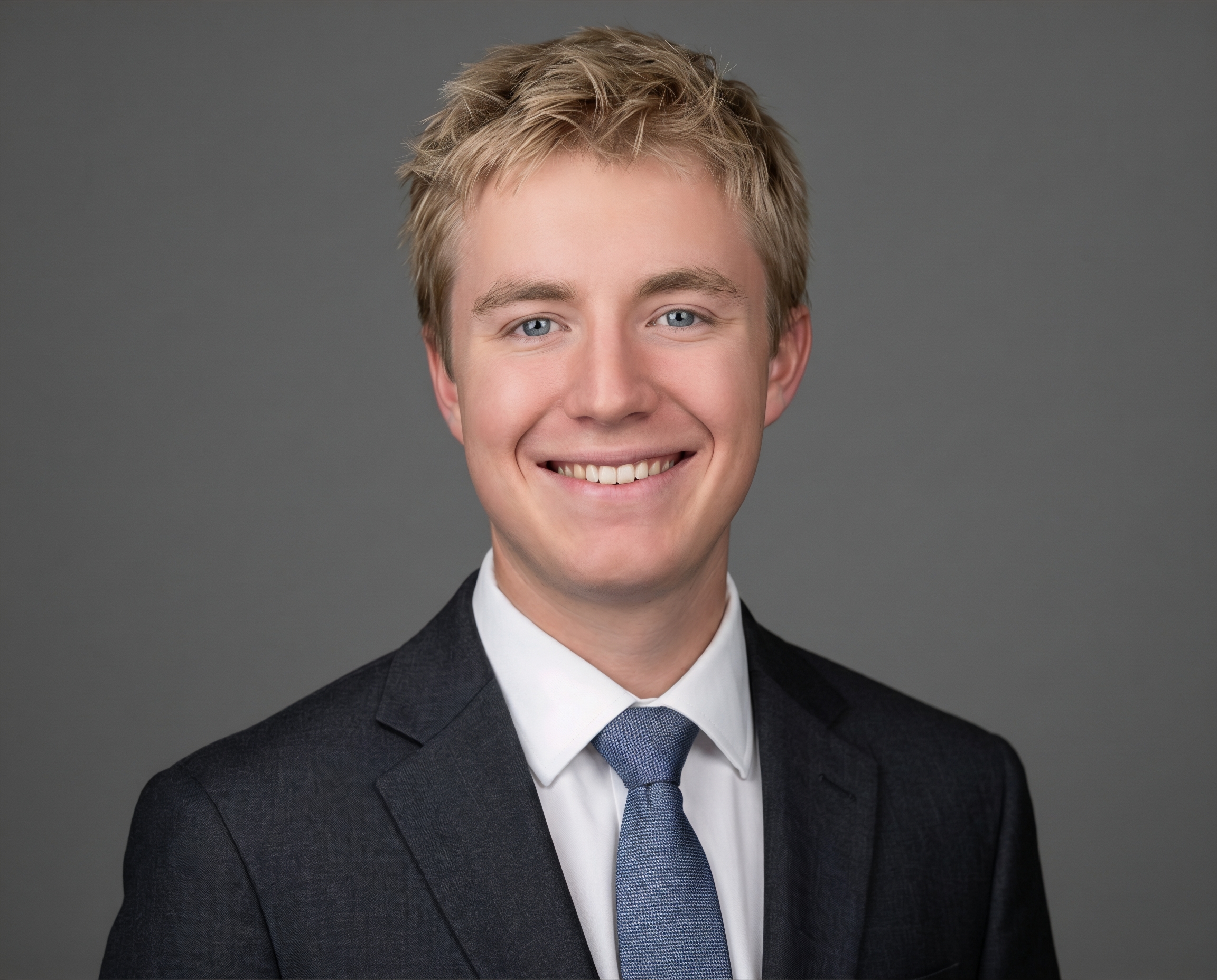
Jonas Yengst
Garden City, Idaho
“The true measure of a person is not how they act in moments of comfort and convenience, but how they stand in times of challenge and controversy.” — Martin Luther King Jr.
My grandfather understood responsibility in a way that few people ever have. He was a young man sent thousands of miles away from home to fight in the Vietnam War. He left behind family, friends, and the comfort of everyday life to serve something greater than himself. He did not know what each day would bring or whether he would return home.
I remember sitting with my grandfather and hearing pieces of his stories. Some were stories he shared easily, while others carried the weight of memories that were harder to describe. What stood out to me was not just that he was a soldier, but that he understood the importance of every decision he made. His choices affected the lives of the people standing beside him. He knew that courage was not about being fearless; courage was about accepting responsibility even when the outcome was uncertain.
When I think about my grandfather’s service, I think about sacrifice. I think about courage. I think about a generation of people who understood that their actions mattered because human lives mattered.
But there is another place where thousands of lives are lost every year, and many people do not think about it as a place of danger. It is not a battlefield overseas. It is our roads and highways.
This comparison does not lessen the sacrifice of my grandfather or anyone who has served our country. The loss of any person in war is heartbreaking. The loss of any person in a preventable car crash is also heartbreaking. The difference is that many traffic deaths are within our power to prevent.
Every time we get behind the wheel, we are given a responsibility. A vehicle is more than a way to get from one place to another. It is a powerful machine that can either protect lives or, through careless choices, change families forever.
Recently, in Idaho we have experienced heartbreaking reminders of this responsibility. Families have lost loved ones in hit-and-run crashes, dangerous highway collisions, and accidents caused by poor decisions at intersections. Behind every crash report is not just a statistic, it is a person. It is someone’s son or daughter, someone’s parent, someone’s friend, and someone who was expected to come home.
One of the hardest things to understand about traffic deaths is that many begin with an ordinary moment. A driver looks at a phone notification. Someone chooses to speed because they are late. A person rolls through a stop sign because they believe there is enough time. A driver takes a risk because they assume nothing will happen.
But something can happen.
A few seconds of distraction can take away decades of someone’s future. One careless decision can create a lifetime of grief for another family.
A safe and educated driver understands that driving is not just about knowing the rules of the road. It is about understanding the reason behind them. Stop signs, speed limits, seat belts, and defensive driving habits are not inconvenient restrictions. They are protections designed because every life has value.
A responsible driver does not ask, “Can I get away with this?” A responsible driver asks, “How will my choices affect the people around me?”
My grandfather was asked to protect lives during wartime. Today, young drivers are asked to protect lives during ordinary moments. We may never face the dangers he faced, but we have our own opportunity to demonstrate courage.
Courage behind the wheel means putting away the phone when nobody is forcing us to. It means stopping completely at an intersection even when we think no one is watching. It means choosing patience instead of anger. It means making decisions based on protecting others, not just getting where we want to go faster.
A driver’s license is often viewed as a symbol of freedom. For teenagers, it represents independence—the ability to go places without asking for a ride. But freedom without responsibility can become dangerous. A license is not simply permission to drive; it is a promise to protect.
My grandfather’s generation showed courage by facing danger head-on. My generation can show courage by preventing danger before it happens. We can honor those who sacrificed by making choices that preserve life.
Being “in the driver’s seat” is about much more than controlling a vehicle. It is about controlling our decisions, respecting the lives around us, and remembering that every person on the road is someone’s family.
The greatest measure of a driver is not how quickly they arrive at their destination. The greatest measure is whether they help make sure everyone arrives home safely.
Content Disclaimer:
Essays are contributed by users and represent their individual perspectives, not those of this website.