The Weight of the Wheel.
2026 Driver Education Round 1
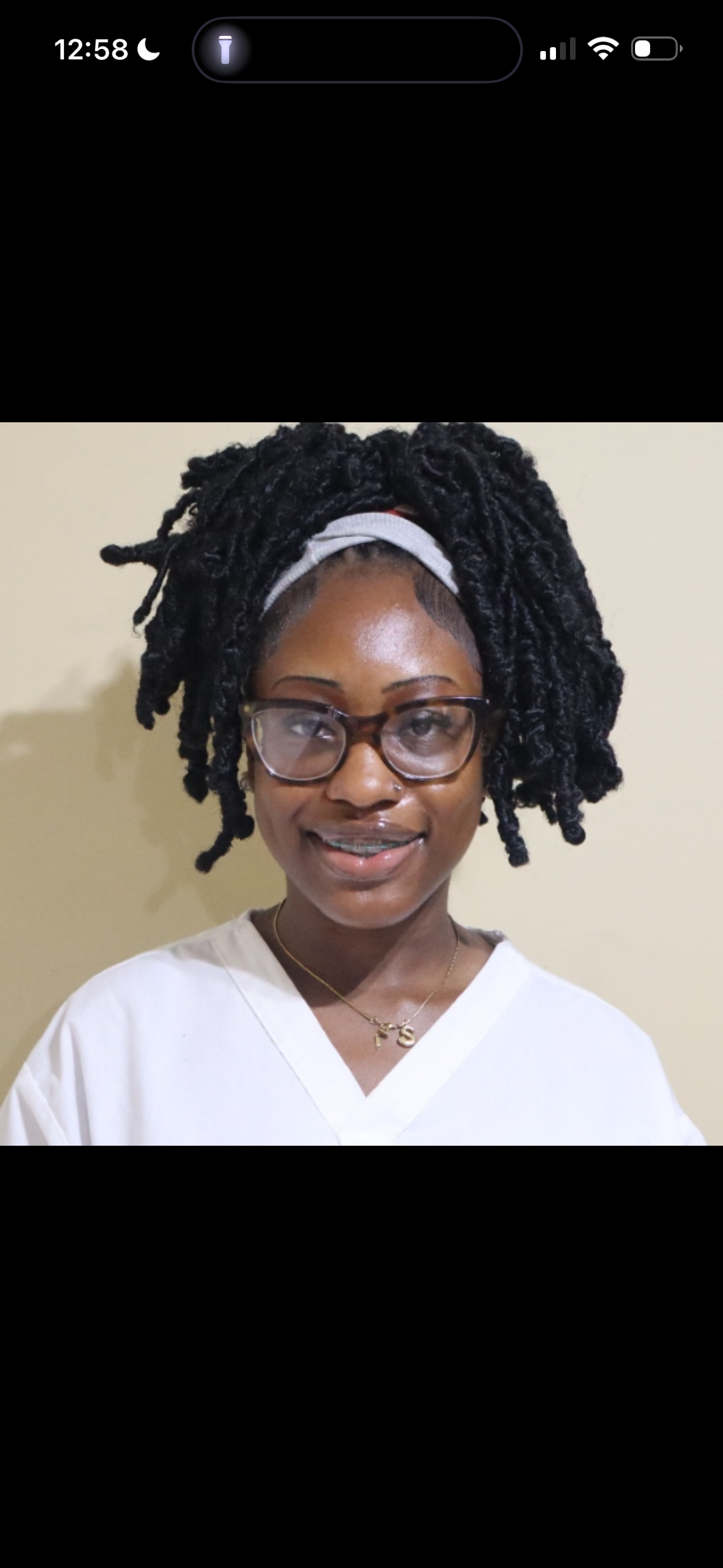
Sophia Akwuole-Bernard
Baltimore, Maryland
The moment you sit behind the wheel of a car, you accept a responsibility far greater than simply getting from one destination to another. Every time you drive, someone’s life is placed in your hands. The people in the car beside you, the child crossing the street, the cyclist riding home, the elderly couple on their way to dinner, and your own passengers all trust that you will make responsible decisions. Driving is often viewed as a symbol of freedom and independence, but I have come to realize that it is also one of the greatest responsibilities a person can have. A driver’s choices can protect lives or change them forever.
When I first earned the opportunity to drive, I saw it as something exciting. Like many young people, I imagined the freedom of driving wherever I wanted, listening to music with my friends, and creating unforgettable memories. I never stopped to think about how quickly an ordinary drive could become a life-changing moment.
One day, I was in the car with a group of my friends. The music was blasting through the speakers, the windows were down, and everyone was laughing and singing along. It felt like a normal day—one of those moments you assume will always remain happy memories. None of us were thinking about the risks around us. We felt invincible.
Then, everything changed.
In a matter of seconds, we were involved in a car accident.
I can still remember how quickly the atmosphere shifted. The laughter disappeared. The music no longer mattered. My heart was racing as panic and fear took over. It was one of the most frightening moments of my life because it reminded me that life can change without warning. We left the house expecting an ordinary day, yet within seconds, everything could have been taken away.
Thankfully, everyone survived. I often think about how different that day could have been. We were fortunate enough to walk away, but thousands of families every year are not given that same blessing. Every news story about a fatal crash reminds me that behind every headline is a family receiving the worst phone call of their lives, friends grieving someone they expected to see again, and parents who will never get another hug from their child. Those tragedies begin with what often seems like an ordinary drive.
That accident completely changed the way I view driving.
I no longer think of driving as simply operating a vehicle. Instead, I see it as carrying the lives of everyone around me. Every driver shares the road with people they may never meet, yet every decision they make affects those strangers. Something as simple as looking at a text message, driving above the speed limit, running a yellow light, or becoming distracted for only a few seconds can have irreversible consequences. A single careless decision can leave someone with lifelong injuries or take away a future that had only just begun.
One lesson I learned is that distractions come in many forms. While cell phones are one of the biggest dangers on the road, distractions can also come from loud music, conversations with passengers, eating while driving, or simply allowing yourself to lose focus. It is easy to believe, “It will only take a second,” but sometimes one second is all it takes. Safe driving begins with understanding that every moment of attention matters.
Another lesson I learned is the importance of patience. We live in a fast-paced world where everyone seems to be rushing somewhere. Drivers speed to beat traffic lights, weave between lanes, or become frustrated by slow traffic. However, arriving a few minutes earlier is never worth risking someone’s life. I would rather arrive late than never arrive at all. Patience behind the wheel is not weakness—it is wisdom.
As I prepare for a career in nursing, the importance of protecting others has become one of my core values. Nurses are entrusted with caring for patients during some of the most difficult moments of their lives. In many cases, healthcare professionals care for individuals whose injuries could have been prevented. While my future career will allow me to help people recover, I believe preventing injuries is just as meaningful. Practicing safe driving is one way I can contribute to the well-being of my community before someone ever needs medical care.
Being a responsible driver also means recognizing that earning a driver’s license is a privilege, not a right. Privileges come with accountability. They require maturity, self-control, and good judgment. Responsible drivers wear their seat belts, avoid distractions, obey speed limits, stay alert, and never drive under the influence of alcohol or drugs. These choices may seem ordinary, but together they save countless lives every year.
The greatest lesson I took away from my accident is that no destination is more important than a human life. Cars can be repaired or replaced. Lost time can be made up. A life cannot.
Every time I get behind the wheel now, I remember that frightening day with my friends. It reminds me that I am responsible not only for myself but also for every person sharing the road with me. I cannot control the actions of other drivers, but I can control my own. I can choose patience instead of recklessness, attention instead of distraction, and responsibility instead of carelessness.
The weight of the wheel is heavier than most people realize. It carries hopes, dreams, families, and futures. Every journey is an opportunity to make choices that protect those lives. By treating driving as the serious responsibility it is, we can help ensure that every person who leaves home has the chance to return safely.
After all, the true measure of a driver is not how quickly they reach their destination—it is how many lives they help protect along the way.
Content Disclaimer:
Essays are contributed by users and represent their individual perspectives, not those of this website.