Your Ride, Your responsibility
2026 Driver Education Round 1
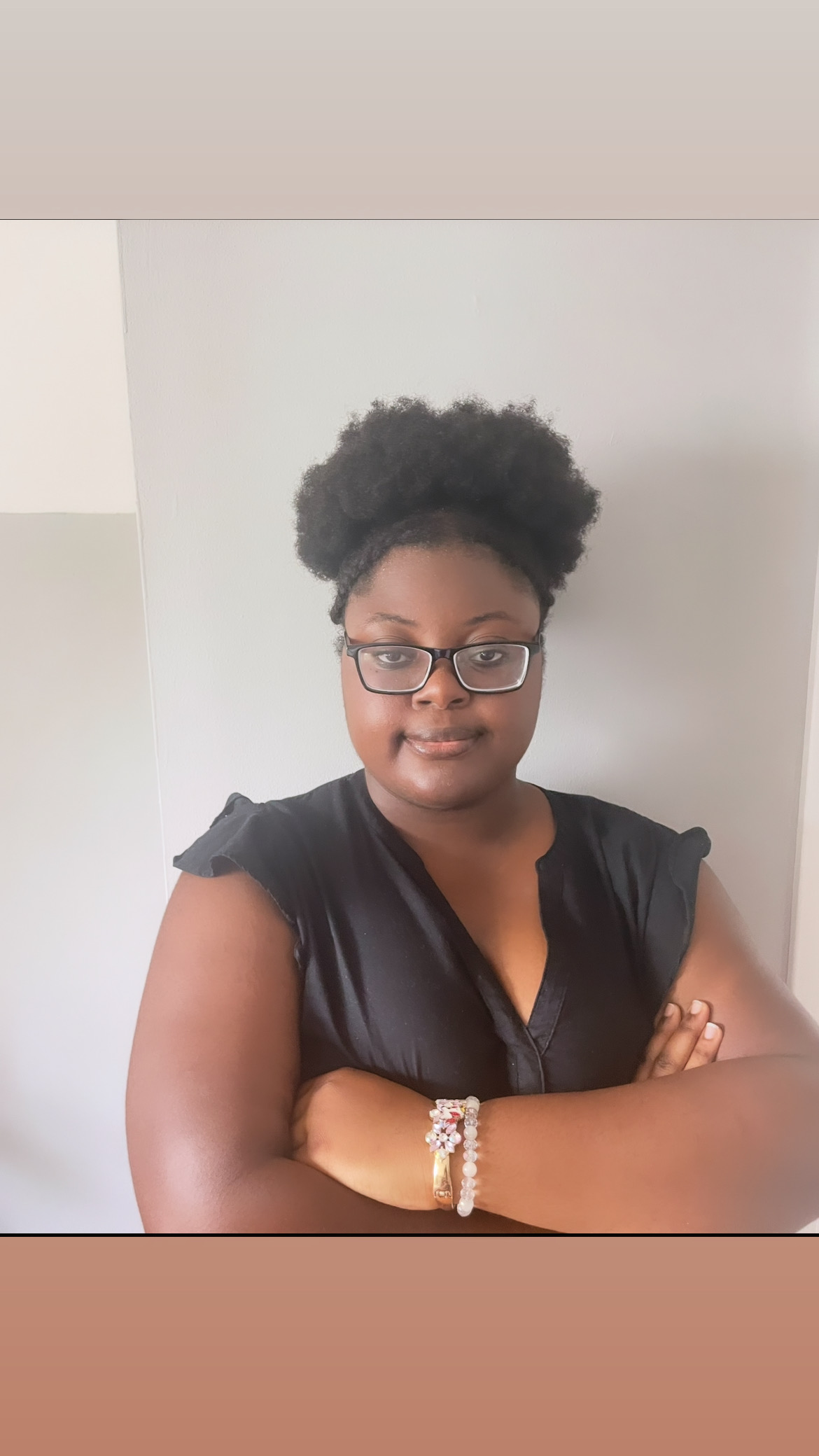
Chamael Bolivar
New Orleans, Louisiana
For many teenagers, getting a driver's license is a major milestone. It represents freedom, independence, and the ability to go where they want without relying on someone else. At the same time, driving is one of the biggest responsibilities a young person can have. Every time someone gets behind the wheel, they are responsible not only for their own life, but also for the lives of their passengers, pedestrians, and everyone else on the road. Even though schools, families, and public service campaigns continue to remind teens about the dangers of drinking and driving, it still happens every year. This shows that awareness alone is not enough. If we truly want to reduce drunk driving among teenagers, we need to help them make safe decisions before they ever find themselves in that situation.
I believe one of the best ways to prevent drunk driving among teens is through a campaign called "Your Ride, Your Responsibility." The idea is simple. Before a teenager leaves for a party, concert, football game, graduation celebration, or any event where alcohol may be present, they should already know exactly how they are getting home. Instead of asking teenagers to make an important decision after they have been drinking, we should encourage them to make that decision while they are still thinking clearly.
Many drunk driving accidents happen because people convince themselves that they are "okay to drive." Alcohol affects judgment, making people believe they are capable of driving when they are not. Some teenagers also worry about asking their parents for help because they are afraid of getting into trouble. Others may not want to leave their friends behind or may not have enough money to pay for a ride home. These situations often lead to poor decisions that could have been avoided with a simple plan made before the night even started.
One part of this campaign would focus on schools. At the beginning of each school year, high schools could host a Safe Ride Week that teaches students how to prepare before attending social events. Rather than only showing videos of crashes or sharing statistics, students would create their own personal transportation plans. They would identify trusted adults they could call, save emergency contacts in their phones, learn about local transportation options, and discuss different situations they might face. The goal would be to make planning ahead feel as normal as putting on a seatbelt.
Schools could also ask students to sign a Safe Ride Pledge. This would not be a promise to never make mistakes. Instead, it would be a promise that if alcohol becomes part of the situation, they will not drive themselves or get into a car with someone who has been drinking. Sometimes making a public commitment helps people stick to their decisions because they have already thought about what they will do before they are under pressure from friends.
Student organizations could help spread the message throughout the year instead of only during one assembly. Posters around campus, social media campaigns, morning announcements, and student-created videos could all remind students that planning a ride home is just as important as planning what they will wear or who they are going with. Teenagers are often influenced by their peers, so seeing other students support the campaign could make safe decisions feel more accepted and normal.
Parents also play an important role in preventing drunk driving. Many teenagers avoid calling home because they fear punishment more than they fear the drive itself. Families should have honest conversations before these situations happen. Parents can make it clear that if their child has been drinking, they should always call for a ride home instead of driving. The discussion about consequences can happen later. What matters most in that moment is making sure everyone gets home safely. Knowing they have someone they can call without hesitation could prevent a teenager from making a dangerous decision.
Communities can support this effort as well. Local businesses, restaurants, and ride share companies could work together to provide discounted rides during high-risk events such as prom, graduation, New Year's Eve, and holiday weekends. Community organizations could also sponsor safe ride programs that give students another option if they find themselves without transportation. Making safe choices easier and more affordable removes one more excuse for getting behind the wheel after drinking.
Another important part of this campaign would be using technology to reach teenagers where they already spend their time. Schools and student organizations could create short videos for platforms like Instagram, TikTok, and YouTube Shorts that show real-life situations teenagers might face. Instead of using fear alone, these videos could focus on making smart choices and reminding students that asking for help is a sign of responsibility, not weakness. The message should be positive and realistic because students are more likely to listen when they feel respected instead of judged.
One idea I especially like is placing QR codes around schools during major events like football games, homecoming, prom, and graduation. Students could scan the code to quickly find local ride share services, taxi companies, public transportation information, or emergency contact numbers. It only takes a few seconds to scan a code, but those few seconds could save a life. Small reminders placed in the right locations can make a big difference.
As a Mass Communication major specializing in Public Relations, I have learned that successful campaigns do more than share information. They change behavior. People make decisions based on what they see, hear, and experience every day. A campaign that is creative, consistent, and easy to remember is much more likely to make an impact than one presentation each year. That is why I believe "Your Ride, Your Responsibility" could make a real difference. It encourages teenagers to think ahead instead of reacting in the moment.
I also believe students should be involved in creating the campaign. Teenagers often listen to other teenagers more than they listen to adults. Schools could allow student leaders to design posters, film videos, speak during assemblies, and organize activities that encourage safe driving. This would give students ownership of the campaign while making the message feel more relatable. Instead of adults simply telling students what not to do, students would become part of the solution.
Although I have never experienced a drunk driving crash, I have seen how quickly one careless decision behind the wheel can become dangerous. During my sophomore year of high school, I was riding home with a friend after an after-school event. While driving down a two-lane road, they looked down at their phone to answer a notification. Within seconds, the car drifted into the opposite lane. I shouted their name, and they quickly corrected the car just before another vehicle passed us. Thankfully, no one was hurt, but I have never forgotten how fast everything happened. That experience showed me that it only takes a few seconds for someone's life to change forever. Whether the distraction is a phone or alcohol, the result can be just as devastating.
That moment also taught me that passengers have a responsibility too. If I notice someone driving distracted, speeding, or making unsafe choices, I speak up. If they need help with directions or responding to a message, I offer to do it for them so they can keep their attention on the road. Sometimes preventing an accident is as simple as having the courage to say something before it is too late.
Reducing drunk driving will not happen because of one law or one school assembly. It will take students, parents, educators, businesses, and entire communities working together to create a culture where planning ahead becomes normal. We need to stop treating transportation as something we figure out at the end of the night and start treating it as part of the plan from the very beginning.
A safe ride home should never be left to chance. By encouraging teenagers to think ahead, make a transportation plan, and support one another in making responsible choices, we can reduce drunk driving and save lives. One conversation, one plan, and one responsible decision may seem small, but together they have the power to protect families, strengthen communities, and ensure that more young people make it home safely.
Content Disclaimer:
Essays are contributed by users and represent their individual perspectives, not those of this website.