A Commitment to Safer Roads
2026 Driver Education Round 2
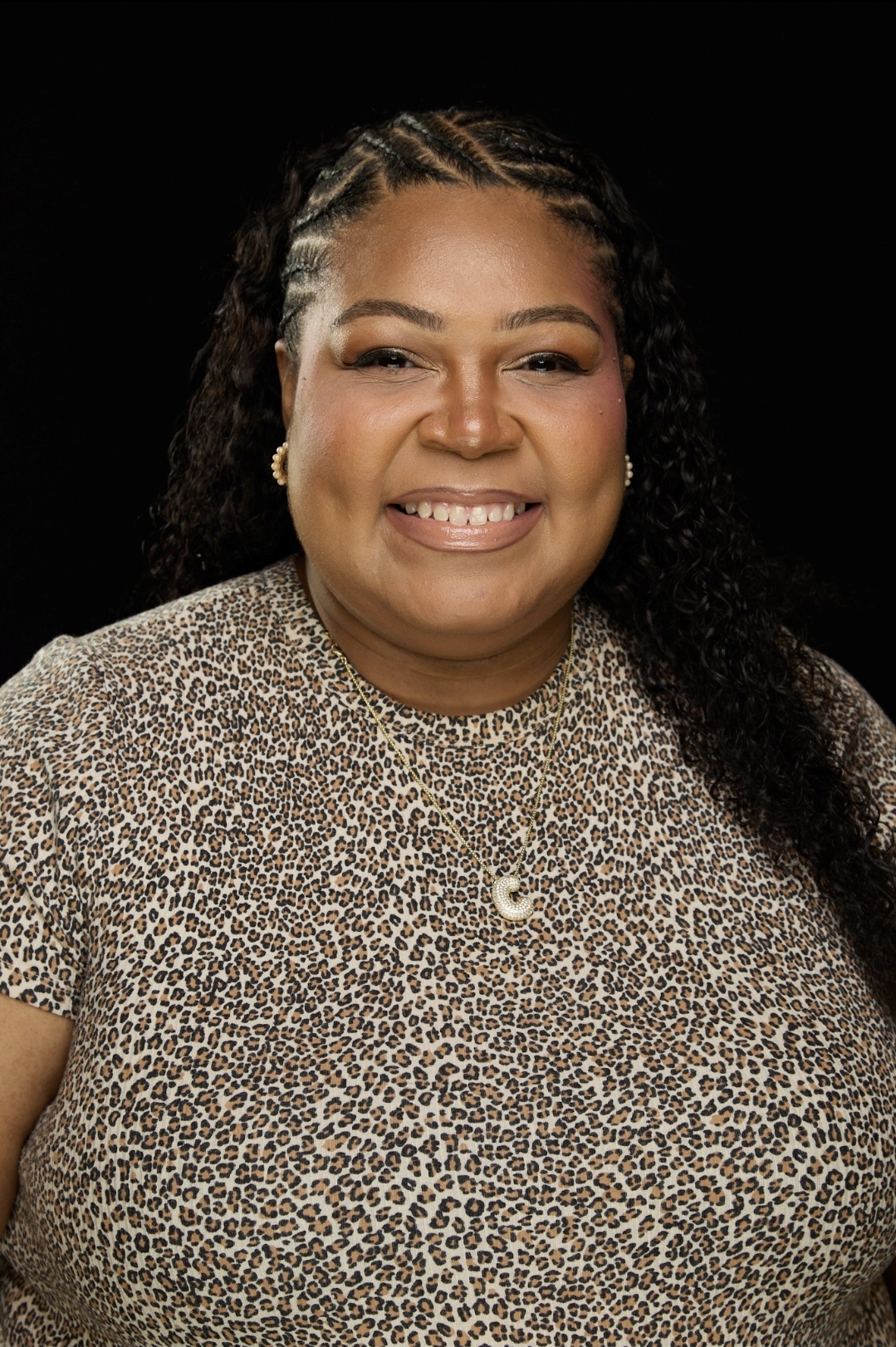
Cecily Scott
Reynoldsburg, OH
Being in a car accident with my children changed the way I think about driving. Another driver caused the accident, and the most frightening part was realizing that I had no control. My first concern was my children’s safety. I understood how quickly an ordinary trip can become an emergency. The experience reminded me that all driver’s choices affect families in nearby vehicles.
Driver education is important because driving requires more than starting a car, steering, or following directions. A responsible driver must understand traffic laws, recognize hazards, avoid distractions, and make safe decisions under pressure. Good instruction gives inexperienced drivers supervised practice before they face difficult situations alone. It teaches them to scan intersections, check blind spots, adjust to bad weather, and respond calmly when another driver makes a mistake. These skills help drivers notice danger earlier and create more time to react.
Driver education also explains why common risks are serious. Speeding reduces reaction time, phone use takes attention from the road, and alcohol or drugs affect judgment and coordination. Failing to wear a seat belt can make a collision more harmful. Learning these consequences before receiving a license shows that safety rules are not inconveniences. Poor decisions can cause permanent injuries or deaths. Thorough education prepares drivers to prevent crashes and protect lives.
Reducing driving related deaths requires effort from individuals, families, schools, communities, and public officials. Driver education programs should combine classroom lessons with realistic, supervised practice. Training should cover defensive driving, safe following distances, changing weather conditions, and sharing the road with pedestrians, cyclists, motorcyclists, and trucks. Refresher courses could help experienced drivers correct unsafe habits and learn updated laws. Parents and guardians can reinforce these lessons by modeling patience, seat belt use, and complete attention whenever they drive.
Communities also have an important role. Laws against speeding, distracted driving, and impaired driving must be enforced consistently. Roads should have visible signs, working lights, clear lane markings, and well-designed intersections. Vehicles should be maintained so that brakes, tires, signals, and headlights work correctly. Public reminders about seat belts, sober driving, and putting phones away can keep safety in people’s minds. Most importantly, every driver must remember that arriving safely matters more than arriving quickly.
Although I could not control the actions of the person who caused my accident, I can control my own habits. I can be a better driver by wearing my seat belt, making sure my children are properly secured, putting my phone away, obeying speed limits, and leaving enough space between vehicles. I can check mirrors and blind spots, use signals, and slow down when visibility or road conditions are poor. I can stay alert, remain calm, avoid driving when tired, and never drive while impaired. Planning ahead can prevent me from feeling rushed or tempted to take risks.
I can prepare for dangers caused by other drivers through defensive driving. That means watching the traffic around me, expecting possible mistakes, and keeping an escape route when possible. It also means refusing to respond to aggressive behavior with anger. If another driver is speeding, following too closely, or acting unpredictably, I can create distance instead of trying to prove a point. I cannot prevent every accident, but I can make choices that improve my ability to react and protect my passengers.
I can help others become safer by setting a good example instead of only giving advice. If someone is driving irresponsibly, I can speak up respectfully and explain why the behavior is dangerous. I can encourage family and friends to use seat belts, silence their phones, choose a sober driver, and slow down. As a passenger, I can offer to handle directions or messages so the driver can focus. I can also share what my accident taught me: even a careful person can be placed in danger by someone else’s decision, so each driver has a responsibility to protect everyone on the road.
My accident was frightening, especially because my children were with me, but it gave me a stronger sense of responsibility. Driver education saves lives by turning knowledge into safer choices, while defensive driving helps people respond to risks, they cannot control. Safe roads depend on education, enforcement, good road design, reliable vehicles, and accountability. I want to carry these lessons with me every time I drive. I believe by staying focused, following the law, protecting my passengers, and encouraging others to act responsibly, I can help make the road safer for my family and community.
Content Disclaimer:
Essays are contributed by users and represent their individual perspectives, not those of this website.
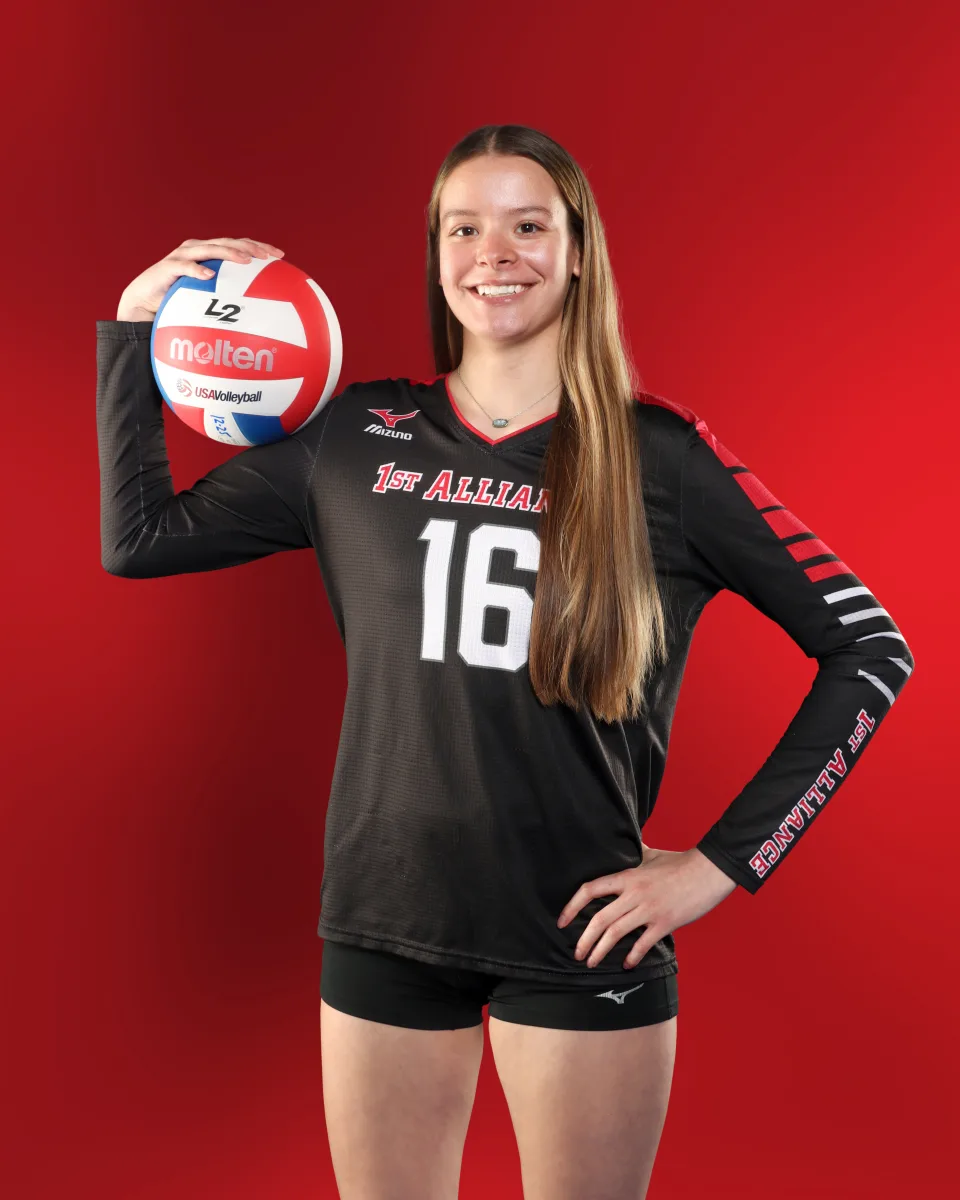

One Decision Can Change Everything: The Reality of Irresponsible Driving
Zoe Louise Jackson