A Green Light Is Not a Guarantee
2026 Driver Education Round 2
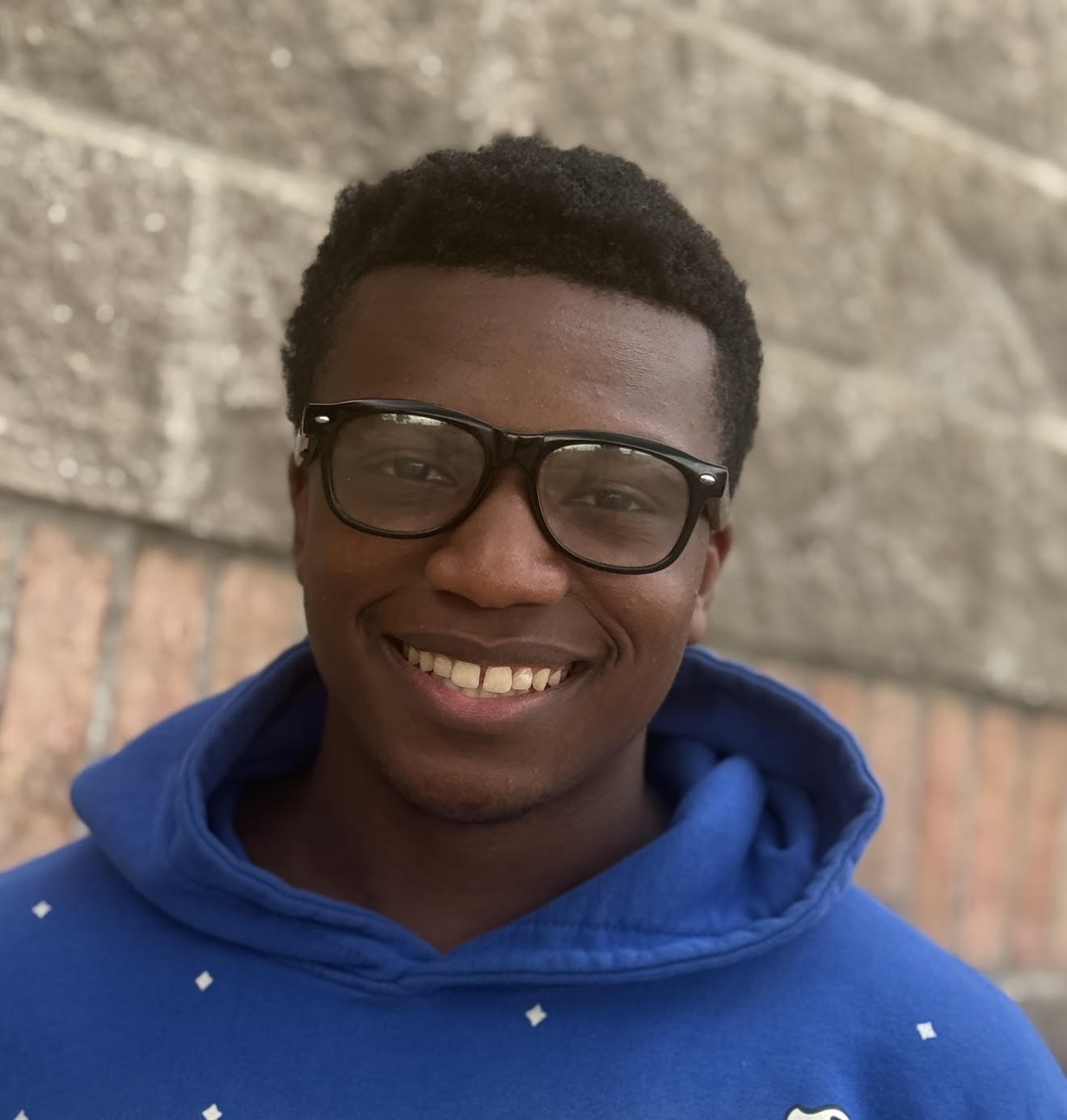
Michael Lowe
Southaven, MS
A green light means go, right? At least, that is what we are taught. But after being involved in two car accidents before I even graduated high school, I have learned that a green light does not guarantee that it is safe to go. Having the right of way does not mean everyone else is going to follow the rules.
My first car accident happened before I was even old enough to know what a stop sign was, let alone hold my own bottle. Of course, I do not remember it, but I know the story like the back of my hand. Every time we visit my mom's hometown and pass where the accident happened, I get to hear the story all over again. A driver ran a stop sign and hit my mom's car so hard that I flew out of my car seat. She had just bought some bottles of laundry detergent that were on the floor of the back seat. Afraid I would hit my head on them, she grabbed me with one hand while I was hanging upside down and used her other hand to steer the car to avoid hitting a pole. However, my mom admits that one of the straps around my leg was not properly secured. Although the other driver caused the accident, she recognized what she could have done differently. From then on, she made sure I was completely secured, even if we were only going down the street. Being a responsible driver also means taking accountability for what is within your control.
Fast-forward to earlier this year, when I was involved in another car accident, except this time I remember everything. My mom and I were driving through an intersection where our light had been green for a while when another driver ran a red light and T-boned us. The impact knocked our car across the street, the airbags deployed, and our car was totaled. Fortunately, we walked away without a scratch, although we were sore afterward. The other driver, however, was trapped inside her vehicle. I do not know whether she was distracted or in a hurry, but those few seconds could have cost all of us our lives.
When I read in the scholarship prompt that an average of 34,000 people lose their lives each year as a result of driving, I thought about how easily my mom and I could have been part of that statistic. Neither of my accidents required some complicated solution to prevent it. One driver needed to stop at a stop sign, and the other needed to stop at a red light. Sometimes saving a life is as simple as doing what we were already taught to do.
Driver education should teach us more than how to operate a vehicle and recognize road signs. It should teach us to anticipate the mistakes of others and recognize dangers before they become emergencies. Understanding why following distances matter, how speeding reduces our time to react, and how distractions can cause us to miss a traffic signal can make the difference between a close call and a fatal accident.
When I went to get my driver's license in Mississippi, I fully expected to take a road test. My mom and I were surprised to learn that I could receive my license after passing the written test and having my parent certify that I had completed the required driving practice. My first thought was, what about the teenagers whose parents sign the paperwork even though they have not completed enough hours behind the wheel? Those parents might think they are doing their children a favor, but they could be putting lives at risk. Knowing the correct answer on a written test and knowing what to do when another car suddenly pulls out in front of you are two completely different things.
That is why I was glad to learn that, beginning this school year, my state is requiring all public school districts with high schools to offer driver education. Private driving lessons can be expensive, and trust me, I know. After listening to my mom complain about how much they cost, I think I could probably tell you the prices myself. On a more serious note, every student should have access to driver education regardless of their family's financial situation. Students should gain practical experience navigating busy intersections, driving in different weather conditions, recognizing blind spots, and responding to emergencies. I would also like to see drivers demonstrate their actual driving skills before receiving a license.
My mom is constantly telling me to learn my way around town instead of depending on my GPS for everything. Just because the GPS gives me the fastest route does not mean it is the safest. She encourages me to make a left turn at a traffic light rather than trying to turn across several lanes of busy traffic. I could spend more time waiting for an opening than I would driving a little farther and turning at a light. And, as my mom reminds me, the GPS will reroute me. It is not like it is going to stop working because I decided to go a different way. These are lessons that may not be taught in a driver education class but come with experience. Sometimes being a safer driver simply means choosing a safer route.
Reducing driving-related deaths also requires changing our everyday habits. Wearing seat belts, using turn signals, obeying speed limits, and avoiding distracted and impaired driving can save lives. Between Uber, Lyft, designated drivers, and calling a friend or family member, there are alternatives to driving under the influence. I would rather pay for a ride home than make a decision that could cost someone their life. Schools could also invite accident survivors and first responders to speak to students. Sometimes hearing someone's personal experience makes the consequences feel more real than reading a statistic.
As a young driver, I am proud that some of my friends have told me I am one of the safest drivers they have ridden with. Before I put the car in drive, everyone has their seat belt on, my music is set, and my phone is on Do Not Disturb. I follow the speed limit, although I am pretty sure some drivers behind me wish I would not. I try to remember to put my little “New Driver” sign on the back of the car, but since my mom and I share cars, sometimes I forget to switch it over. And trust me, I have seen the looks on some drivers' faces when they pass me. You would think I was doing something wrong by actually driving the speed limit! I would rather irritate someone by following the rules than put lives in danger trying to keep up with them.
I can become a better driver by leaving early so I do not feel rushed, checking both directions before entering intersections, gaining experience in different weather conditions, and accepting correction. Just because I have my driver's license does not mean I have learned everything there is to know about driving.
I can also help others by speaking up when I notice unsafe driving. When it comes to driving, peer pressure is not something I really struggle with. Maybe it is because I know how scary being in a car accident can be, or maybe it is because my mom always tells me that one of her biggest fears is dying in a car accident. It is probably a combination of both. I may be more cautious than some of my peers, and I am okay with that. I would rather have my friends call me annoying or lame for telling them to slow down or put their phones away than sit silently while they put our lives in danger. As a passenger, I can handle the music, navigation, or respond to a text so the driver can concentrate on the road.
I have been fortunate enough to survive two car accidents, but not everyone gets to walk away from one. Somewhere, there is a family that expected their loved one to come home, but they never made it. Driving is a privilege, but it is also a responsibility to people I may never meet.
A green light may give me permission to go, but it does not give me permission to stop paying attention. I cannot control whether the driver coming from the other direction will stop at their red light, but I can control how prepared, attentive, and responsible I am. And if taking an extra second to look both ways means that someone, including myself, gets to make it home safely, then that is a second well spent.
Content Disclaimer:
Essays are contributed by users and represent their individual perspectives, not those of this website.
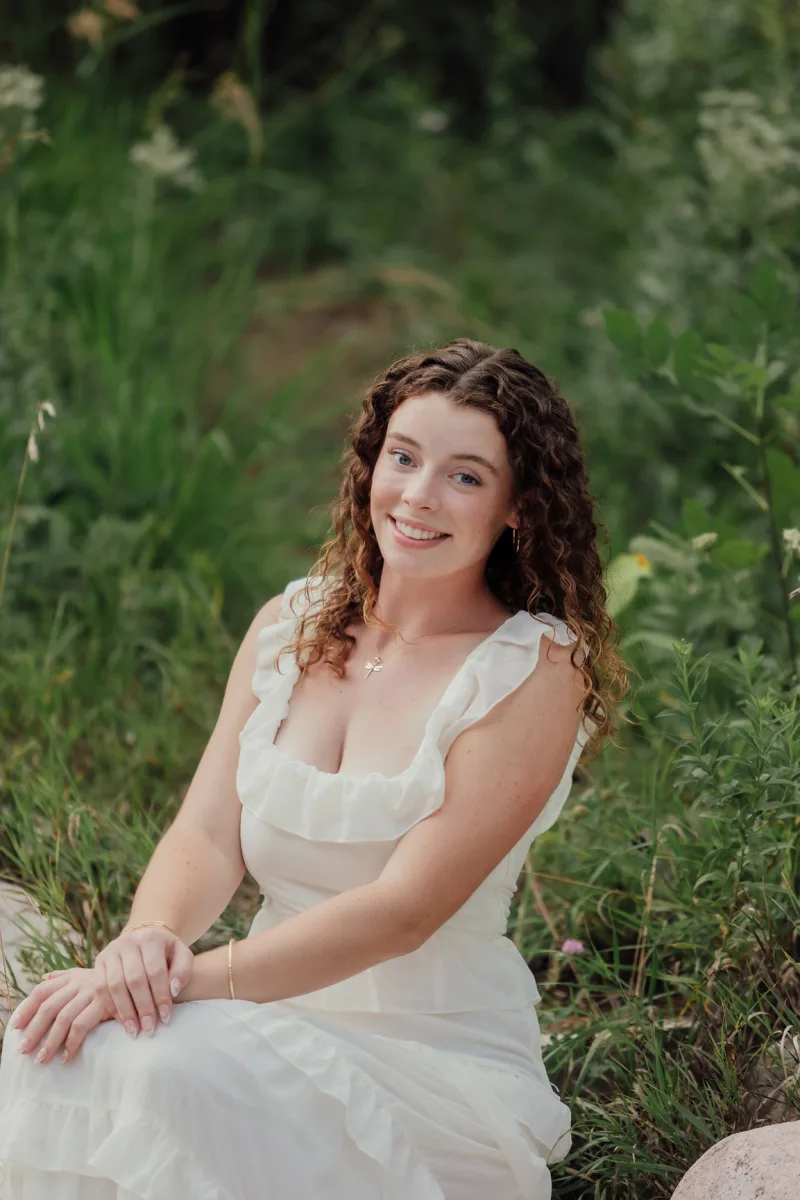
The Importance of Safe Driving and the Steps I Will Take to Improve it Among Myself and Others
Anna Dornbach


