Thing you don't know until you know
2026 Driver Education Round 2
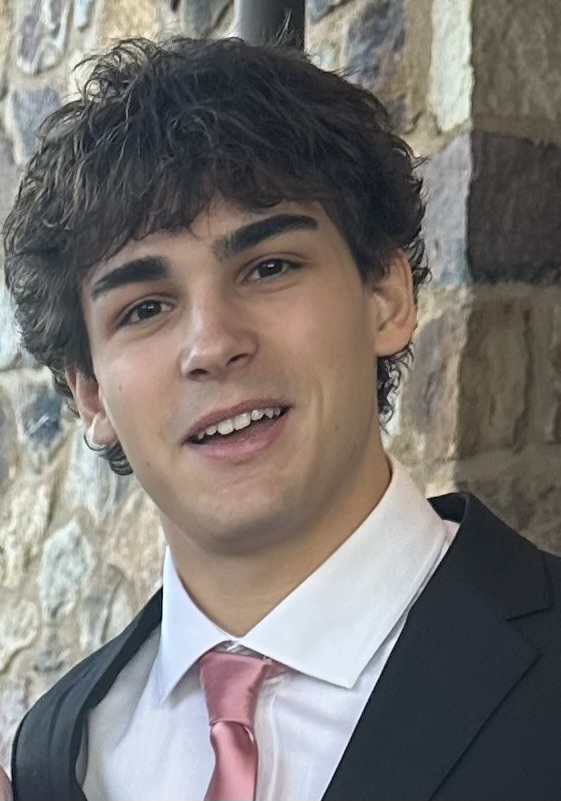
Liam Marrow
Bellmore, New York
Car accidents are genuinely terrifying, and they often happen when you least expect them. My own experience was completely shocking, not because of reckless behavior, but because of a simple lack of physiological awareness. I had never imagined that a routine trip to the doctor could end in such a devastating and life-altering way. I was involved in a severe collision after passing out at the wheel. Earlier that day, I had gone to have blood drawn for some medical tests. Afterward, I ate a healthy breakfast, felt completely fine to drive, and hopped in the car to head to school, which turned out to be a major misjudgment. I was driving normally, focused on the road, when my vision suddenly began to blur. Before I could safely pull over, everything went black. I woke up to the sound of crunching metal as the second impact happened. My car was completely totaled. It is deeply unsettling to realize how quickly a normal mroning can turn into a life-threatening situation. One moment you are fully in control of a heavy machine, and the next, you are in a wreck because your body simply shut down.
That terrifying morning taught me a crucial lesson that goes far beyond the standard curriculum of driver education. When we take our driving tests, we are rigorously evaluated on parallel parking, speed limits, and right-of-way rules. However, traditional driver education rarely emphasizes the critical importance of our physical and mental readiness before we even turn the ignition key. We learn how to check our mirrors and our tire pressure, but we are rarely taught to check our own vital signs. A sudden medical emergency, extreme fatigue, or even high stress can impair a person's driving just as severely as alcohol or texting. True driver education should include understanding how our bodies react to medical procedures, lack of sleep, or emotional distress. If I had been taught to recognize the delayed physical effects of a blood draw, I would have eaten a snack and waited at home a bit longer instead of rushing to my vehicle.
So, what steps can we take to become better and safer drivers in light of these hidden risks? The first step is absolute self-awareness. Before you put your car in drive, take a moment to evaluate your physical condition. If you have just undergone a medical procedure, taken a new medication, or simply feel exhausted, do not drive. It is always better to wait, eat something, or call a family member for a ride. Second, practice proactive defensive driving. This means anticipating the unpredictable actions of other drivers and maintaining a safe following distance. You cannot control a sudden medical emergency, whether it happens to you or the person in the lane next to you, but you can control your reaction time by giving yourself enough space to maneuver. Finally, eliminate internal distractions entirely. Put the phone away and set your navigation before you leave. Driving requires completely undivided attention, and removing distractions allows you to focus fully on the road in front of you.
Beyond our own personal habits, we also have a profound responsibility to help others become safer on the road. The most effective way to do this is by speaking up, especially when we are passengers. If you notice a friend seems overly tired, unwell, or distracted, offer to drive them or suggest they take a moment to rest. It can be uncomfortable to question someone's ability to drive, but a brief moment of social awkwardness is infinitely preferable to a catastrophic accident. Furthermore, we must lead by example. When our peers see us taking driving seriously, refusing to look at our phones, and making responsible choices about when not to drive, it sets a strong standard within our social circles. Safety is highly contagious. By consistently modeling safe behaviors, we create an environment where reckless driving becomes socially unacceptable and everyone feels encouraged to prioritize caution.
Ultimately, earning a driver's license is not just a milestone of newfound independence; it is an ongoing, daily commitment to public safety. My accident was a harsh wake-up call about the fragile nature of human health and the immense responsibility we hold every single time we choose to operate a motor vehicle. It changed my entire perspective permanently. By advocating for a broader, more comprehensive understanding of driver education, practicing strict self-awareness, and actively looking out for the well-being of our peers, we can significantly reduce the risks on our roads today. Driving is a privilege that truly demands our absolute respect and unwavering attention.
Content Disclaimer:
Essays are contributed by users and represent their individual perspectives, not those of this website.