One Decision Can Change Everything
2026 Driver Education Round 2
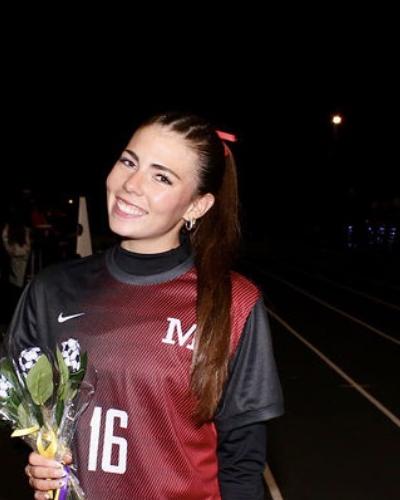
Akayla Johnson
Rohnert Park, Ca
Most people get into a car without thinking about how much responsibility comes with driving. We drive to school, work, practice, and different places throughout the day, and sometimes it becomes such a normal part of our routine that we forget how quickly something can go wrong. I believe being a safe driver is about more than knowing how to operate a car. It's about understanding that every decision we make behind the wheel can affect our lives and the lives of everyone around us.
Driver education is important because it teaches people how to recognize dangerous situations before they happen. Learning traffic laws, understanding road signs, maintaining a safe distance, and knowing how to react to unexpected situations can help prevent accidents. But I think one of the most important things driver education teaches us is responsibility.
One experience that really helped me understand this was attending a driver safety program through my local police department. During the program, the officers talked to us about the dangers of drinking and driving and how alcohol can affect someone's judgment, coordination, and reaction time.
One activity that stood out to me was when they let us put on special goggles that simulated some of the effects of being impaired by alcohol. I knew drinking could affect someone's ability to drive, but actually experiencing how different things looked and felt through the goggles made the lesson more meaningful.
It was surprising to see how something that normally seems simple could become more difficult when your vision and coordination are affected. It helped me understand why someone who has been drinking might think they're okay to drive when their ability to react and make decisions is actually impaired.
That experience stayed with me because it showed me how quickly someone's actions can put themselves and others in danger. It made me realize that driving under the influence isn't worth the risk, even if someone thinks they've only had a little to drink.
The officers also taught us what to do when being pulled over by law enforcement. We learned the importance of staying calm, finding a safe place to pull over, and following the officer's instructions. They explained how to safely move our vehicle out of the way when necessary instead of stopping somewhere that could create another dangerous situation.
Another important part of the program was learning what to do if we were ever involved in a car accident. We discussed how important it is to stay calm, check for injuries, contact emergency services when needed, and make sure we're not putting ourselves or others in additional danger.
Before attending this program, I hadn't thought much about how stressful it could be to handle a situation like that. I realized that knowing what to do ahead of time could help someone respond more safely instead of panicking.
I believe schools and communities should offer more programs like this because learning directly from police officers and participating in hands-on activities can help young drivers better understand the consequences of unsafe driving. Reading about the dangers of impaired driving is important, but experiencing a simulation made the lesson something I could remember.
Another major danger on the road is distracted driving. Phones have become such a big part of everyday life that people sometimes feel they need to respond to every notification immediately. However, looking away from the road for even a few seconds can be dangerous.
I believe drivers should put their phones away, avoid texting, and pull over safely if something requires their attention. No message or phone call is worth risking someone's life.
Speeding is another problem that contributes to dangerous driving. Sometimes people speed because they're running late or don't think going a little faster will make much of a difference. But arriving somewhere a few minutes earlier isn't worth the possibility of causing an accident.
I think reducing driving-related deaths starts with people understanding that their decisions affect more than just themselves. Following speed limits, wearing seat belts, avoiding distractions, and never driving under the influence are all important habits that can save lives.
As a freshman at the University of Charleston in West Virginia, I've learned a lot about independence and responsibility. I moved across the country from Santa Rosa, California, to attend college and play on the women's soccer team. Being away from home has made me more aware of how important it is to think carefully about my choices.
Soccer has also taught me a lot about responsibility. During my senior year at Montgomery High School, I was captain of my varsity soccer team. I learned that being a leader meant setting a good example, taking responsibility for my decisions, and looking out for my teammates.
If I made a careless decision during a game, it could affect the entire team. I had to learn how to stay focused, communicate, and think about more than just myself.
I know making a mistake during a soccer game is very different from making a mistake while driving because the consequences on the road can be much more serious. However, the lesson about responsibility is something I carry with me.
When I think about the scholarship question asking whether I've experienced a car accident or witnessed irresponsible driving, I think about what I learned during the police department's safety program. I don't believe someone should have to experience a serious accident personally before learning how dangerous irresponsible driving can be.
The impaired-driving simulation helped me understand how someone could become a danger on the road without fully realizing how much their abilities had changed. It also showed me why it's important to make responsible choices before getting behind the wheel.
To become a better and safer driver, I want to continue practicing the habits I learned. That means staying focused, giving myself enough time to get where I'm going, paying attention to traffic conditions, and never allowing distractions to take my attention away from the road.
It also means recognizing when it's not safe to drive. If someone has been drinking, is extremely tired, or is unable to concentrate, they should find another way to get home.
I also believe being a responsible driver means being willing to speak up when someone else is making unsafe choices. If a friend or family member is texting while driving, speeding, or planning to drive after drinking, I want to have the confidence to say something. It might feel uncomfortable, but I would rather have an awkward conversation than stay quiet while someone puts lives at risk.
I think we can also help others become safer drivers by setting a good example. Younger people often learn from watching the behavior of those around them. If we want the next generation to understand the importance of road safety, we need to practice what we teach.
One thing I enjoy is coaching younger soccer players. Coaching has shown me how much influence older students and adults can have on children. Even though the kids I coach aren't old enough to drive, I want to set an example of being responsible, thinking about others, and making good decisions.
I know that not every accident can be prevented, but I believe many can be avoided when people take driving seriously. Driver education gives people the knowledge they need, but it's up to each of us to actually use that knowledge.
The police department's safety program taught me that being prepared can make a difference. Whether it's knowing how alcohol affects your reactions, understanding how to safely pull over, or knowing what to do after an accident, these are lessons I can carry with me throughout my life.
To me, being a good driver isn't about being the fastest person on the road or thinking nothing bad will ever happen. It's about understanding that other people's lives matter just as much as our own.
Every time we get behind the wheel, we make choices. We can put our phones away, follow traffic laws, wear our seat belts, and stay focused. These decisions might seem small, but they can make a huge difference.
I believe driver education can save lives because it teaches us that driving is a privilege that comes with responsibility. The experience I had through my local police department showed me how important it is to be prepared, make safe choices, and never take that responsibility for granted.
One careless decision can change someone's life forever. I want to be the kind of driver who remembers that every time I get behind the wheel.
Content Disclaimer:
Essays are contributed by users and represent their individual perspectives, not those of this website.