A Moment That Changed Everything
2026 Driver Education Round 2
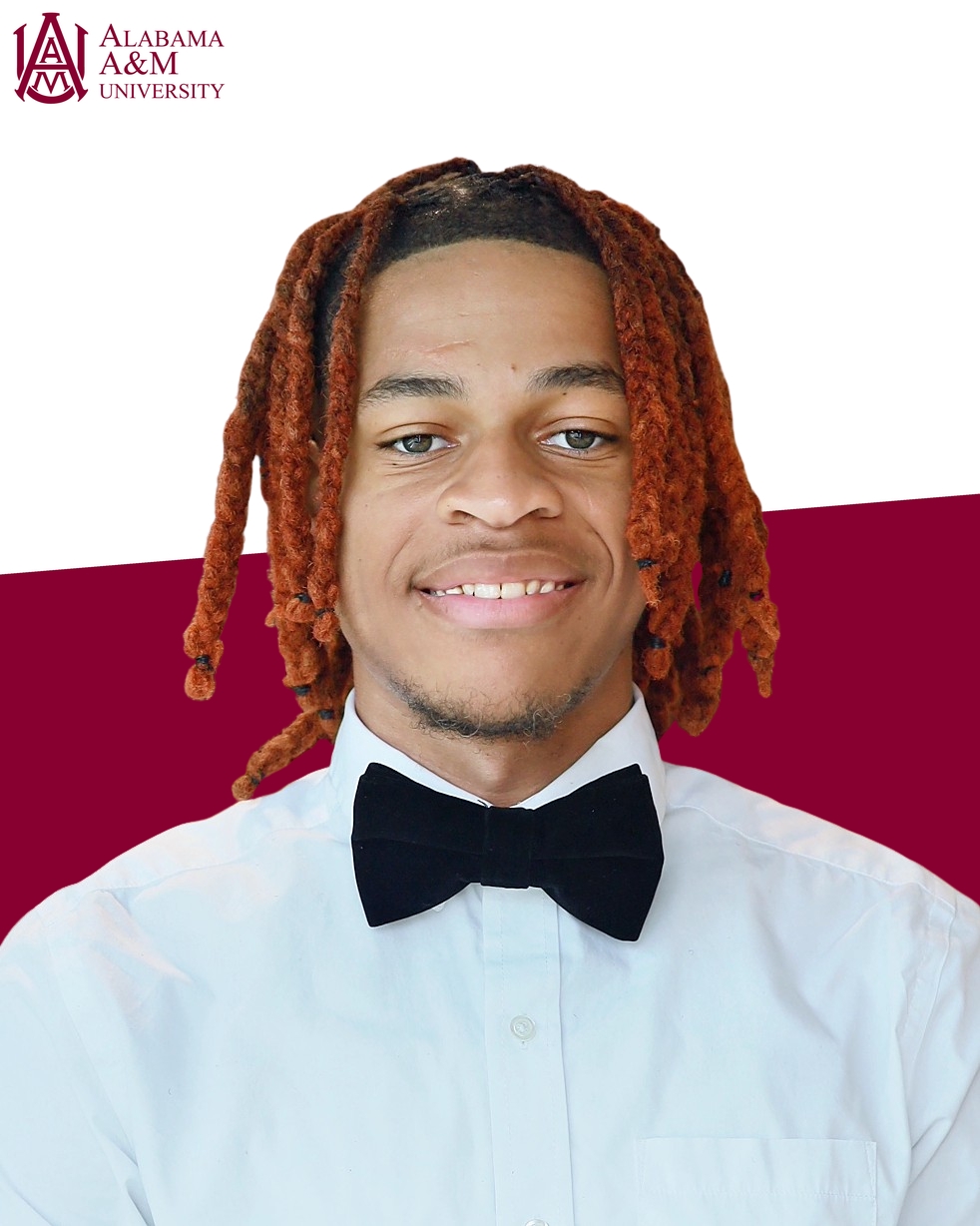
Tahir Elijah McGaha
Ellenwood, GA
When I think about driving, I don’t think about freedom or convenience first. I think about how fast an ordinary drive can turn into something that changes your life. I learned that when I was about three years old, years before I was old enough to drive.
We were on a regular street, the kind of drive that’s so normal nobody thinks about it. My mom had the right of way at an intersection when another car swerved straight through it. She had to swerve to avoid it, and we crashed into a neighborhood sign. Her ankle was broken. The rearview mirror snapped off and hit me in the forehead, and I still have the scar today. It’s small, but it’s a permanent reminder that a single second on the road can leave a mark that never fades.
I was too young to understand what had happened. Now I am old enough, and I understand that my mom did everything single thing right. She was following the rules and just trying to get us where we were going, and someone else’s choice put us in danger anyway. My mom doesn’t like to talk about that day; in that case, I don't really ask her to. But I’ve seen how much it still weighs on her, and it showed me that when you get behind the wheel, your decisions don’t only affect you. They affect strangers, families, and passengers who have no say in what happens around them.
That’s why I think driver education matters so much for reducing deaths on the road. Learning to drive should be more than memorizing signs and passing the test. It should teach people to spot danger early, stay in control when something unexpected happens, and make good decisions under pressure. No class can stop every accident, but defensive driving can cut down on risks that don’t have to exist.
A lot of the fixes are simple. Put the phone down, because even a quick glance at a notification can mean missing the one thing you needed to see. Follow the speed limit, leave space between you and the car ahead, wear your seat belt, never drive impaired, and lastly be patient. Cutting people off or rushing through an intersection because you’re in a hurry isn’t worth it. My mom couldn’t have prevented what happened to us, but this is why defensive driving matters to me. You can’t control what other drivers do, but you can give yourself more time and space to react.
I’ve also noticed that people often don’t see their own bad habits. They get comfortable, and speeding, tailgating, or checking their phone starts to feel normal. I think the biggest problem is the belief that it won’t happen to us. People keep taking chances because nothing has gone wrong yet, but it only takes one moment for everything to change. Whenever I see a close call on the road or hear a story about a crash, I think back to that day.
Now that I’m old enough to drive, I take that responsibility seriously. Every time I get behind the wheel, I remember that the people riding with me are trusting me to be careful. I stay focused, keep my phone out of reach, follow the rules, and don’t let impatience or pressure from other people rush my decisions. I also speak up. If I’m riding with someone driving recklessly, I don’t stay quiet just because it feels awkward, because sometimes one comment is enough to make someone slow down.
I also want newer drivers to understand that driving isn’t a competition, and it’s not a chance to show off how confident you are. I’d rather show up a few minutes late than make a choice that puts someone else’s life at risk. A few minutes is never worth a lifetime of regret.
I can’t change what happened when I was three, and I can’t control everything that happens on the road. What I can control is how I drive now that other people’s lives are in my hands. That accident taught me that one person’s choices reach far beyond the driver’s seat. Every passenger deserves to feel safe, and every family deserves to make it home.
Driving isn’t just about getting where you’re going. It’s about making sure everyone else on the road gets there too.
Content Disclaimer:
Essays are contributed by users and represent their individual perspectives, not those of this website.