A Night of Perspective
2026 Driver Education Round 2
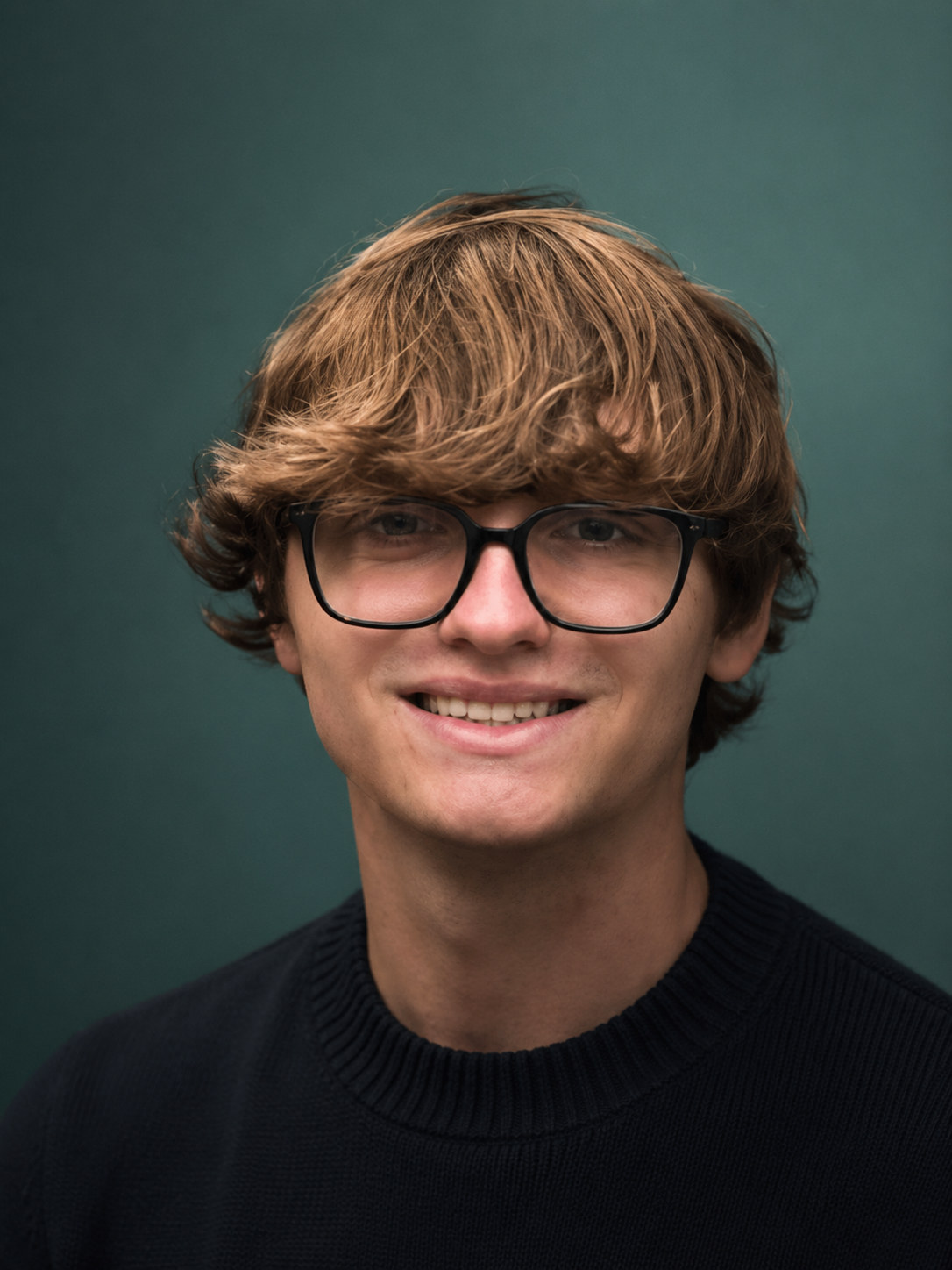
cale goldsberry
springfield, mo
Imagine taking a drive out by the lake. You come to a stop sign and look in all three directions before proceeding. Suddenly, you and your girlfriend are slammed from behind by a speeding car. The impact jolts you forward against the steering wheel while your girlfriend is pulled tightly against her seatbelt, leaving her bruised. You pull over to the side of the road, only to discover that the driver who hit you is drunk and is trying to convince you not to call the police.
I was sixteen years old, a new driver, and scared to death. But I was also incredibly thankful that my girlfriend and I had properly buckled our seatbelts. Those simple decisions may have saved our lives. Until that night, I had always worn my seatbelt, turned down the music, and followed my mom's rules when driving her car. I did these things because I was supposed to, not because I fully understood how much they mattered. That New Year's Eve night changed everything. I realized just how quickly one careless decision could change or end someone's life.
There are several simple ways to reduce traffic-related fatalities. Eliminating distractions, keeping your phone out of reach or in the trunk, turning down loud music, and limiting the number of passengers in a vehicle can all make a difference. These were rules my mom had always enforced, but after that night, they became more than just rules. They became choices that could save lives. I also learned firsthand how real and dangerous impaired driving is. The twenty-year-old driver who hit us could have taken both our lives or lost his own. His decision to drive drunk put everyone around him in danger. Since then, I have also realized the importance of defensive driving. It is not enough to watch the road ahead; I need to be aware of the vehicles behind me, maintain a safe distance, and pay attention to the space around my car.
I often hear my friends talking about speeding to school or racing over to McDonald's to grab something to eat. I find myself shaking my head and reminding them of the dangers. Speeding is never worth the risk. There is no reason to rush through traffic to beat a changing light or make it to school before the first bell. A few extra minutes are never worth risking a life. I have also made a personal commitment not to ride in a car crowded with passengers who could distract the driver. Even being a passenger comes with responsibility. I used to fall asleep while my mom drove, but now, when I slide into the passenger seat, I understand that I have a role in keeping everyone safe. I can avoid distracting the driver, stay alert, and help watch for potential dangers.
Although teenagers and inexperienced drivers are often associated with traffic accidents, I believe the problem goes beyond a lack of driving experience. Too many young drivers simply do not recognize the dangers that can come from their own decisions or the actions of others. Many teenagers grow up watching their parents text while driving or get behind the wheel after having a drink or two. When they see nothing bad happen, they begin to believe those behaviors are harmless. Unfortunately, it only takes one mistake to change everything. Preventing traffic-related deaths must be an effort involving everyone, not just young drivers. I believe there should be stricter consequences for driving under the influence, technology that automatically limits cell phone distractions while a vehicle is moving, and stronger enforcement of passenger restrictions for teenage drivers. I also believe drivers should be required to watch educational videos showing the real consequences of careless driving when renewing their licenses. Sometimes people need to see the reality of what can happen before they truly understand the responsibility that comes with driving.
One drive around the lake changed the way I look at driving forever. I wish everyone could understand the damage they can cause without having to experience something terrible firsthand. Children can lose their parents, parents can lose their children, and families can be left with a lifetime of grief because someone chose to be careless behind the wheel. Of course, accidents can happen even when everyone is doing the right thing. However, making laws stricter, enforcing existing rules, and taking personal responsibility for our actions could prevent countless tragedies.
After being hit from behind, I found myself helping the other driver locate his driver's license from the wallet he had handed me because he was so impaired that he could not even figure out what he was looking for. That moment made the situation even more real. We were fortunate that the impact was not worse. I think about how differently that night could have ended. My mom could have received a call from the police with news no parent should ever have to hear, or I could have been the one calling my girlfriend's parents with the unimaginable news that their daughter was gone. Those are thoughts I will never forget.
The accident was not my fault, but the lessons I took away from it were invaluable. I learned that driving is not just about getting from one place to another. It is about protecting yourself, your passengers, and everyone else sharing the road. A seatbelt, an undistracted mind, a sober driver, and a few extra minutes can make the difference between life and death. I was lucky enough to walk away from that accident with a story to tell. Not everyone gets that chance. I hope others will learn from my experience before they become someone else's tragic story.
Content Disclaimer:
Essays are contributed by users and represent their individual perspectives, not those of this website.