Behind Every Steering Wheel Is a Responsibility
2026 Driver Education Round 2
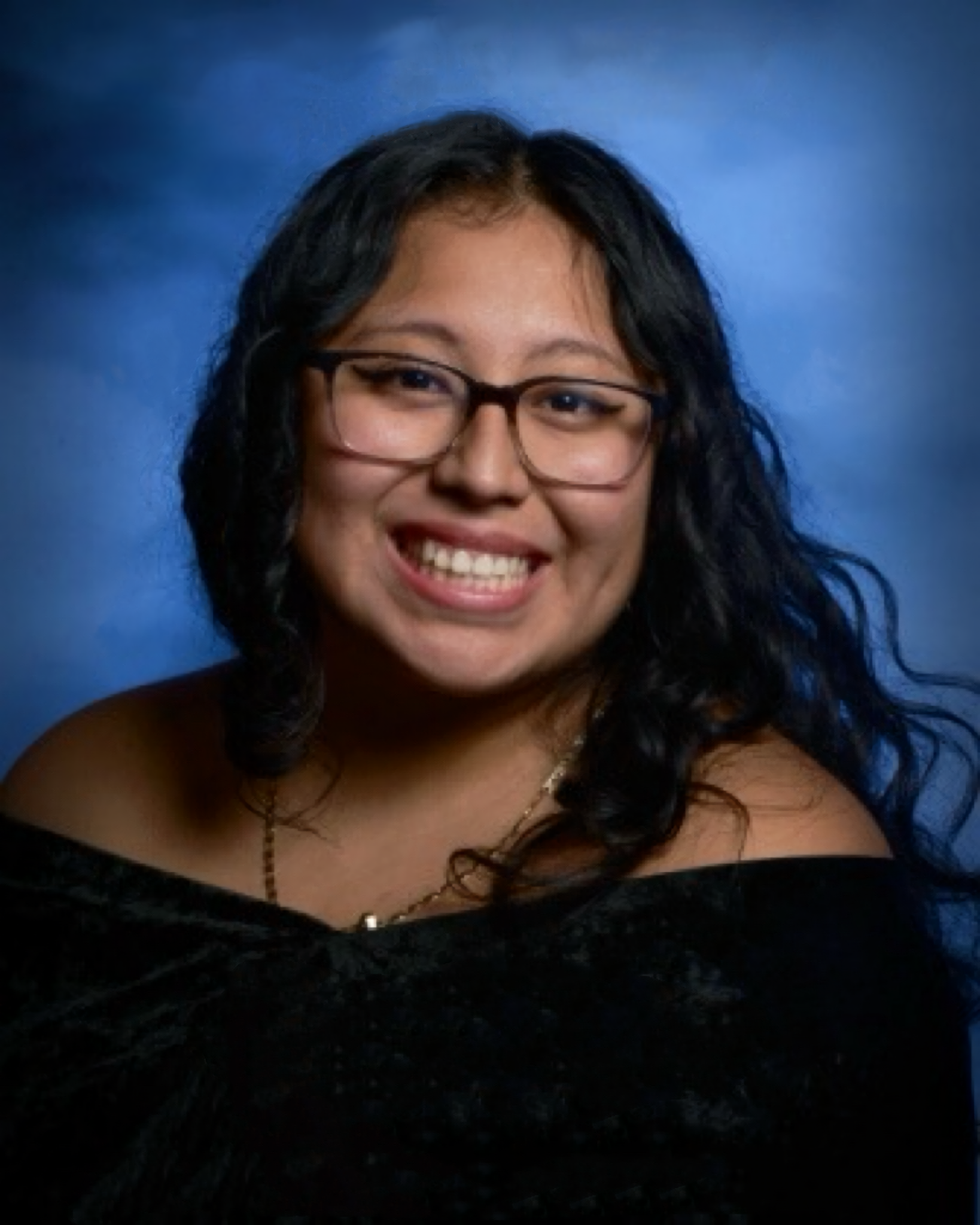
Dennise Vaquero
Newburgh, New York
When we get into a car, we rarely think about how quickly an ordinary day can change. We think about where we need to go, what time we need to arrive, or what we have planned afterward. We often forget that something as routine as driving comes with an enormous responsibility. Every person on the road has a life outside their vehicle, a family waiting for them, and a future they are working toward. I have always understood that driving requires responsibility, but recently, that understanding became much more personal.
Just two weeks ago, one of my sisters was involved in a car accident. Only a week later, my other sister was also involved in an accident. Two accidents involving two people I love, just one week apart. It was something I never expected my family to experience in such a short period of time. Knowing that both of my sisters had been involved in accidents made me think about how unpredictable driving can be and how quickly the safety of someone we care about can become a concern. It reminded me that car accidents are not simply statistics we hear about on the news. They happen to real people, including our own families.
As someone who is currently learning to drive, these experiences have changed how I think about getting behind the wheel. Learning to drive is often described as an exciting step toward independence, and I understand why. Being able to travel without depending on someone else provides freedom and convenience. However, I believe that freedom comes with an obligation to protect not only ourselves but everyone around us. Driving should never be treated as something we can do carelessly simply because it becomes part of our daily routine.
This is why I believe driver education is one of the most important ways to reduce traffic-related deaths. Driver education should go beyond teaching students how to operate a vehicle or pass a road test. It should teach them how to recognize dangerous situations, make responsible decisions, and understand the consequences of their actions. Knowing traffic laws is important, but understanding why those laws exist is what encourages people to follow them even when nobody is watching.
For example, learning about stopping distances, blind spots, road conditions, and the dangers of distracted driving can help new drivers recognize risks before they become emergencies. Driver education should also emphasize defensive driving, which involves remaining alert, anticipating possible hazards, and understanding that we cannot control the decisions of everyone else on the road. A responsible driver must be prepared for unexpected situations rather than assuming other drivers will always make the correct choices.
I have personally witnessed irresponsible driving behaviors, including speeding, distractions, and drivers who appear more focused on reaching their destinations than protecting the people around them. What concerns me is how easily these behaviors can become normalized. Someone might believe that checking a phone for a few seconds or driving slightly faster than the speed limit is harmless because they have done it before without consequences. However, the absence of an accident does not mean the behavior is safe. It only means that something terrible has not happened yet.
I believe reducing traffic-related deaths requires both education and accountability. Drivers must avoid using their phones, obey speed limits, wear seat belts, and never drive while impaired. They should also recognize when they are too tired, stressed, or distracted to drive safely. These decisions may seem small, but they can prevent situations that permanently change people's lives.
Communities and governments also have responsibilities. Schools can provide more accessible driver education programs, while public awareness campaigns can remind experienced drivers about risks they may have started overlooking. Improving road signs, pedestrian crossings, lighting, and dangerous intersections can also help prevent accidents. Additionally, consistent enforcement of traffic laws can discourage behaviors that put others at risk. However, I believe the goal should not simply be to punish irresponsible drivers after something happens. It should be to prevent tragedies before they occur.
Communities and governments also have responsibilities. Schools can provide more accessible driver education programs, while public awareness campaigns can remind experienced drivers about risks they may have started overlooking. Improving road signs, pedestrian crossings, lighting, and dangerous intersections can also help prevent accidents. Additionally, consistent enforcement of traffic laws can discourage behaviors that put others at risk. However, I believe the goal should not simply be to punish irresponsible drivers after something happens. It should be to prevent tragedies before they occur.
My interest in forensic science has also influenced how I view road safety. I am currently studying Forensic Science at John Jay College of Criminal Justice, and my goal is to become a crime scene investigator. One of the main reasons I chose this career is because I want to help protect innocent people through accurate evidence and fair investigations. I believe no one should suffer because of someone else's carelessness or because the truth was overlooked.
Although crime scene investigations and traffic safety are different fields, they share an important principle: people's lives can be affected by the decisions and responsibilities of others. In forensic science, overlooking a small detail can have serious consequences. Similarly, while driving, ignoring a traffic signal, failing to check a blind spot, or becoming distracted for a moment can place innocent people in danger. Both remind me that responsibility requires paying attention even when a situation seems ordinary.
As I continue learning to drive, I want to develop safe habits from the beginning rather than waiting until I have more experience to take driving seriously. I plan to practice regularly with a qualified supervising driver, follow traffic laws, maintain a safe distance from other vehicles, and avoid distractions. I also want to learn how to respond calmly to unexpected situations, especially when other drivers behave unpredictably. I understand that becoming a safe driver is not something that happens automatically after receiving a license. It requires continuous learning, patience, and self-awareness.
I also believe I have a responsibility to encourage safer driving among the people around me. If I notice a friend or family member becoming distracted while driving, I want to feel comfortable speaking up rather than remaining silent because I do not want to upset them. I can encourage others to put their phones away, slow down, wear their seat belts, and take breaks when they are tired. I know I cannot control everyone's choices, but I can make sure my own actions reflect the importance I place on safety.
The accidents involving my sisters have reminded me that we never know what another family may be experiencing because of something that happened on the road. Behind every accident report is a person whose life may have been disrupted and people who care about their well-being. That is why I believe we should approach driving with empathy, not just confidence.
Ultimately, being a responsible driver is not about how quickly we reach our destination or how skilled we believe we are behind the wheel. It is about recognizing that every decision we make can affect someone else's future. Driver education provides the knowledge, but responsibility is what turns that knowledge into action.
As I continue learning to drive, I want to remember what my sisters' accidents taught me: arriving safely should always matter more than arriving quickly. Because at the end of the day, the most important part of any journey is making sure everyone has the opportunity to return home.
Content Disclaimer:
Essays are contributed by users and represent their individual perspectives, not those of this website.