Behind the Wheel: How Responsible Driving Can Save Lives
2026 Driver Education Round 2

Angel Ugwu
San Antonio, TX
Behind the Wheel: How Responsible Driving Can Save Lives
The Responsibility Behind Every Trip
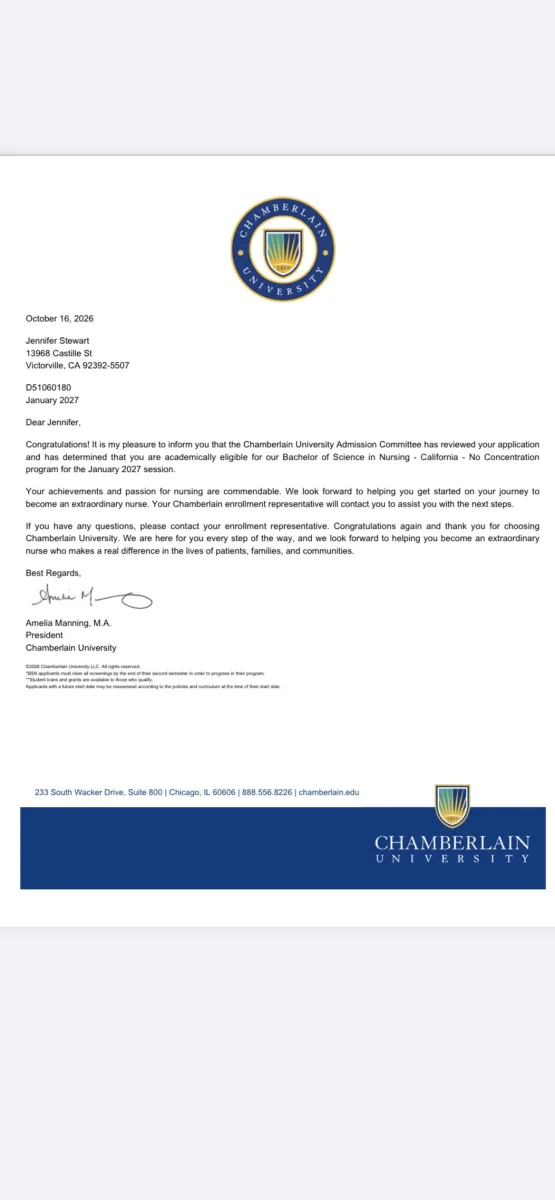
Driving can feel routine. We hop in a car to go to work, attend school, buy groceries, or visit family, often without considering the responsibility that comes with turning the key. Yet every trip involves decisions that affect more than the driver. A moment of distraction can change the lives of passengers, pedestrians, cyclists, and others on the road. To me, safe driving is not simply about avoiding a ticket. It is a commitment to protecting people whose lives intersect with ours on the road. As a nursing student, I am learning to appreciate the value of preventing injuries before they occur, and that same principle should guide how we drive.
Why Driver Education Saves Lives
Driver education matters because operating a vehicle is different from managing risk. A driver may know how to steer and park but still underestimate the dangers of speeding, tailgating, driving while tired, or glancing at a phone. Effective education explains not only the rules but also the reasons behind them. It teaches drivers to anticipate hazards, maintain adequate stopping distance, adjust to weather conditions, and recognize when they are not fit to drive.
Education also helps turn good intentions into habits. Learning to scan intersections, check blind spots, yield to vulnerable road users, and wear a seat belt on every trip makes safe behavior more automatic. Equally important, a good course should address peer pressure and overconfidence. New drivers may believe accidents happen only to careless people, but even experienced drivers can make dangerous choices. Ongoing reminders and refresher training help prevent a false sense of security. When drivers understand the possible consequences of their decisions, they are better prepared to protect themselves and others.
Practical Steps to Prevent Traffic Deaths
Reducing traffic deaths requires action from individuals, families, communities, and policymakers. Drivers can start with simple choices: put away phones, obey speed limits, never drive impaired, and ensure everyone is buckled up. If someone is exhausted, they should rest or arrange another ride rather than pushing through fatigue. In bad weather, slowing down and increasing following distance can provide the extra time needed to react safely.
Communities also play a role. Clearly marked crosswalks, visible signage, safer intersections, functioning streetlights, and traffic-calming measures can reduce risk for everyone, especially pedestrians and cyclists. Schools and employers can reinforce safety through education and policies that discourage distracted or rushed driving. Families can set expectations by modeling responsible behavior rather than telling young drivers to be careful while doing the opposite. Finally, fair enforcement of traffic laws and access to reliable transportation can support safer choices. No single solution will prevent every crash, but consistent action across these areas can save lives.
What Real-Life Experience Teaches Us
I have been in four car accidents, none of which were my fault. The first occurred days after my 18th birthday, when another driver ran a red light as I was turning left on my way to college. In another incident, a driver rear-ended me on my way to work. I was also struck by an intoxicated driver who backed into my car and tried to leave the scene. Most recently, another driver collided with the passenger side of my vehicle as I was leaving for an early Pilates class, causing significant damage and temporary arm pain. These experiences taught me that even when I drive responsibly, I cannot control others' decisions. They reinforced the importance of defensive driving, staying alert, and anticipating potential hazards.
Regardless of a person's experience, the central lesson is that unsafe driving rarely affects only the driver. The possibility of harming a stranger, a friend, or a family member should prompt us to be more deliberate in our choices before and during every trip.
How I Can Be a Safer Driver—and Help Others
I can become a safer driver by treating preparation as part of driving. Before leaving, I can check that my vehicle is in good condition, set my navigation, secure anything that could distract me, and allow enough time to reach my destination without rushing. On the road, I can keep my phone out of reach, maintain space around my vehicle, and remain patient when another driver makes a mistake. I can also continue learning rather than assuming that having a license means I have mastered every situation.
Helping others drive safely requires honesty and respect. If someone I know is distracted or driving too fast, I can speak up calmly instead of staying silent for fear of making the situation uncomfortable. I can offer to arrange a ride if someone is impaired or too tired to drive. Most importantly, I can model the behavior I encourage in others. If I am constantly checking my phone, it is difficult to persuade someone to put away theirs.
My nursing education underscores why these decisions matter. In healthcare, prevention can spare people pain, disability, financial strain, and emotional loss. Road safety is another form of prevention. Choosing patience over speed or attention over distraction may seem small in the moment, but those choices can determine whether someone arrives home safely.
Conclusion
Being in the driver's seat means accepting responsibility for more than just a vehicle. It means recognizing that the road is shared with people with their own families, goals, and futures. Driver education builds the knowledge needed to make safer choices, and good habits and supportive communities help put that knowledge into practice. I want to be a driver who takes those responsibilities seriously and encourages others to do the same. Every safe decision is an opportunity to prevent injury, protect a life, and make the next trip home possible.
Content Disclaimer:
Essays are contributed by users and represent their individual perspectives, not those of this website.