Behind the Wheel: The Importance of Driving Responsibility for Young Adults
2026 Driver Education Round 2
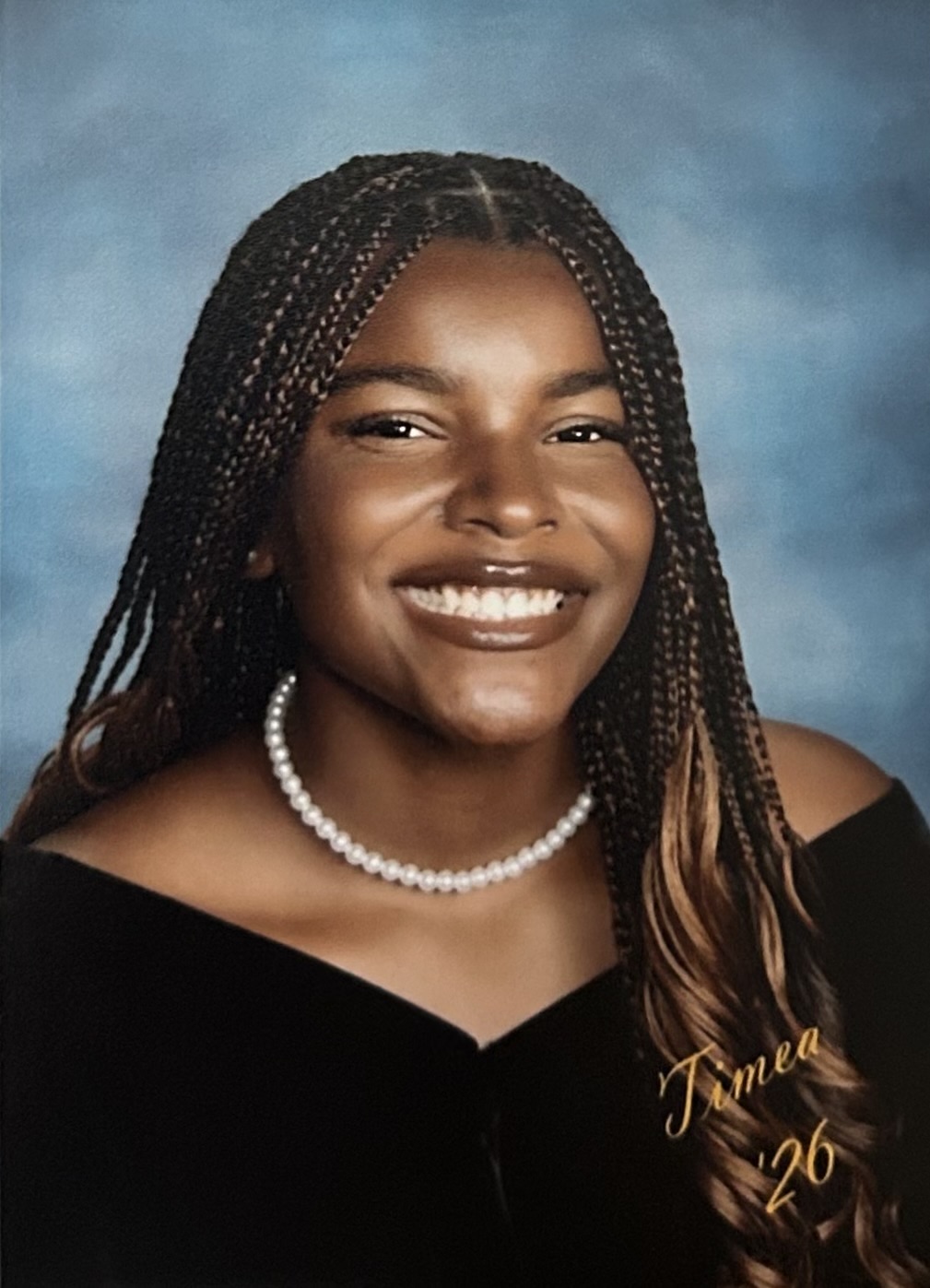
Timea Charles
Raleigh, North Carolina
Learning how to drive is an important milestone for teenagers. For me, it felt like the first step toward independence and growing up. After going through weeks of driver’s ed, hours of practice with parents, and the process of taking a driver’s test, it feels very rewarding to get the chance to finally be the person behind the wheel. However, to be the person behind the wheel is to be the smartest on the road. With independence comes responsibility, and it is essential that as young adults get their license and begin driving, they make smart decisions about what they choose to do once they are alone in the car.
Driver responsibility doesn’t start once you put your foot on the gas petal, but the moment you even think about getting in the driver’s seat. Before you grab your key, make sure you have a clear enough mindset to focus on the road when you are driving. Young drivers in particular have more difficulty with emotion regulation, and feelings such as anger or anxiety are often associated with slower reaction times, speeding, and swerving. If you feel as if you are experiencing emotional distress, don’t feel pressured to drive immediately. Once you have taken a moment to assess your emotions, and you feel like you are ready to drive, map out where you are going and how long it will take, to avoid rushing. Communicate with others such as family members or friends so they know your whereabouts and when you plan to leave. This will help to limit distractions such as texting while driving or phone calls, and in the event of an emergency, they will have an idea of your location.
Once you have entered the car and you are in the driver’s seat, lock your doors, adjust your mirrors, and fasten your seatbelt. This is the first thing I learned when riding inside a car and the first thing I do every single time I get in a car. You may not think much about a seatbelt for a short drive, or you may think that just because you go this way everyday you know the conditions of the road. Studies have shown that most reported accidents occur on the routes people are familiar with, in fact, according to the NHTSA, more than half of crashes occur within five miles of the victim’s home. With that being said, the road is completely unpredictable, and it is always better to be safe than sorry. For young adults, indoor distractions are very common, one of which being auditory tasks such as listening to music. As a young driver myself, I like to be comfortable in my car, so I tend to have my car playlist on. However, it is important to limit these distractions even if you think it doesn’t hinder your performance. For me, it helps to keep my music at a lower volume while driving to avoid diverting attention from the road.
Once your car is in motion, there are still several precautions you should take to avoid danger. For one, it is crucial to pay attention to the different road signs displayed on the road. It can often be easy to disregard these signs, especially in a familiar setting, but they are there for a reason. Know what different signs mean and what action you must take if that sign is present. Know and obey the laws of traffic lights, even if you think no one is there. This is especially important if a power outage occurs at an intersection or if you happen to come across a blinking yellow or red light. Knowing how and when to use signals in your car such as your turn signals or hazard lights are also important to alert other drivers on the road about your intentions, further preventing collisions.
When driving, you also have to keep in mind that the road is a shared space. While you may be taking extra measures to protect both yourself and others, that may not be the case for the person in the lane next to you. With that being said, be cautious of other drivers and their intentions on the road. If it looks like a car is swerving in and out of lanes uncontrollably, keep space between them. It is also important to look both ways before moving at a light or stop sign, in the event that another vehicle unexpectedly speeds through an intersection. Large vehicles such as semi-trucks, mobile housing transports, and farm equipment are also present on the road. Sometimes these vehicles even take up more than one lane. In the case of an oversized vehicle, always make sure to maintain your following distance, reduce your speed if necessary, and if you plan to pass, make sure you have a clear view ahead of the road.
There are not only vehicles to look out for when driving. On a busy road in the city, you will need to keep an eye out for pedestrians crossing the street or bicyclists being alongside the road. At night time it is especially common for animals to jump out into the road, so make sure your high beams are on when necessary and avoid speeding.
Your driving habits extend far beyond your own safety. As young drivers, it is important for us to think about more than just ourselves on the road. Always take that extra step to be responsible when you drive, because the decisions you make behind the wheel, can be the deciding factor of whether or not someone makes it home.
Content Disclaimer:
Essays are contributed by users and represent their individual perspectives, not those of this website.