Being a Safe and Educated Driver
2026 Driver Education Round 2
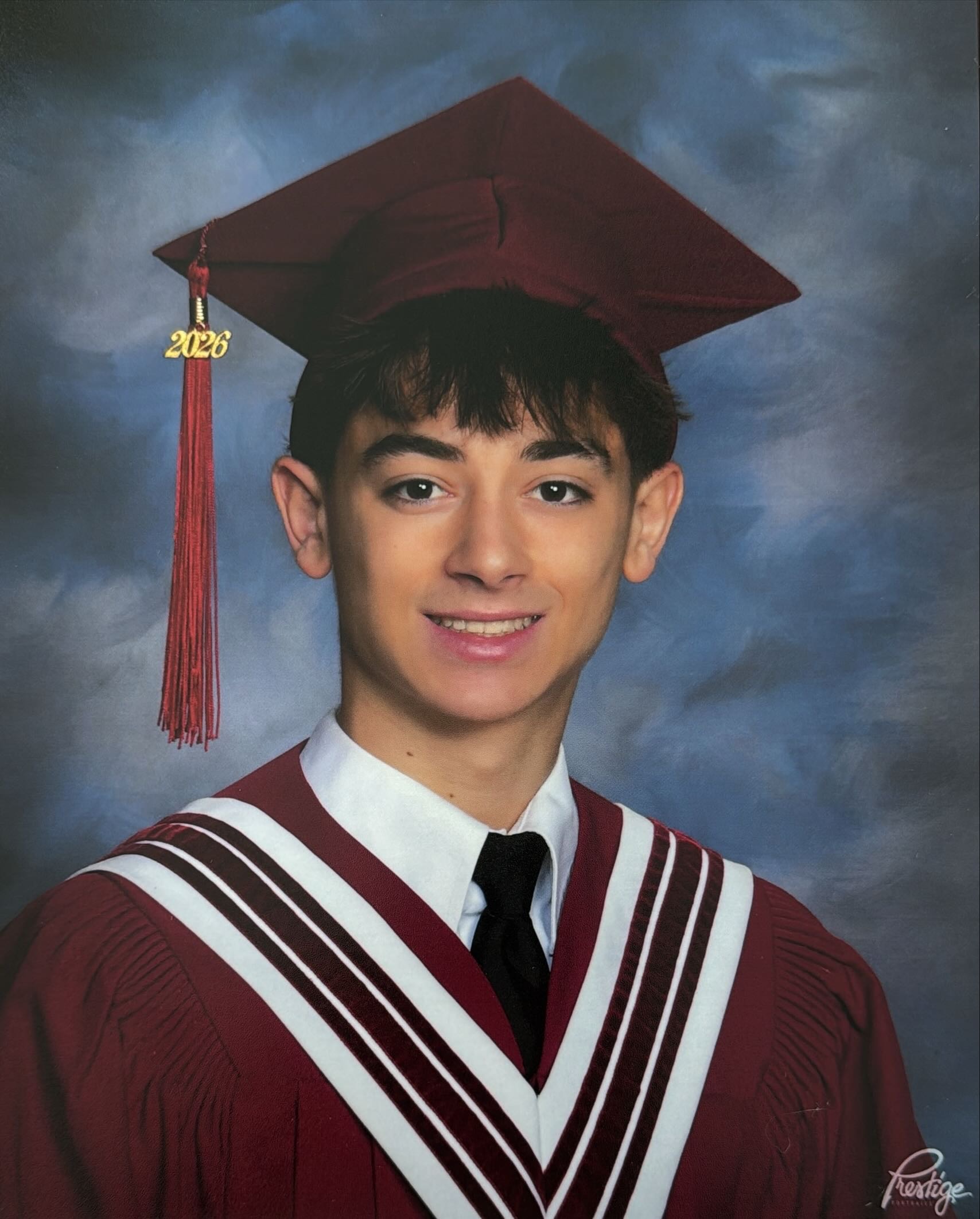
Matteo Alexander Bellisario
East Selkirk, MB
Driving is one of the biggest responsibilities a person takes on. It can represent independence and freedom, but it also means being responsible for the safety of everyone sharing the road. As a young person, I understand why getting behind the wheel is exciting. It gives you more control over your schedule and makes it easier to get to school, work, practices, and other commitments. However, driving should never be treated as something casual. A vehicle can cause serious harm when it is not operated carefully. Being a safe and educated driver means having the knowledge to make good decisions, staying focused, following the rules, and understanding that those decisions affect more than just yourself.
One of the most important parts of safe driving is knowing and following the rules of the road. Traffic signs, signals, speed limits, lane markings, and right-of-way rules are there to help drivers understand what to do and what to expect from others. They are not just requirements to memorize in order to pass a test. They create a system that helps traffic move safely and predictably. An educated driver takes the time to understand these rules and keeps learning when laws or road conditions change. Even when a driver has experience, it is important not to become overconfident or assume that they already know everything.
Speed is another major part of road safety. It can be tempting to drive faster when running late or when traffic seems light, but speeding reduces the time available to react and increases the distance needed to stop. It can also make a collision much more dangerous. The posted speed limit is not always a safe target in every situation. Rain, snow, ice, fog, construction, heavy traffic, and poor visibility may require a driver to slow down. In Manitoba, winter driving is especially important to take seriously. Snow-covered roads and icy intersections can make it difficult to stop or turn. A responsible driver leaves extra space, slows down, clears snow and ice from the vehicle, and gives themselves more time to reach their destination.
Staying focused is just as important as controlling the vehicle. Distracted driving can happen when someone looks at a phone, changes music, eats, reaches for something, or becomes too involved in a conversation. Even a short distraction can mean missing a traffic light, a pedestrian, or a vehicle braking ahead. Phones are especially dangerous because reading or sending a message takes a driver's eyes, hands, and attention away from the road. No message or notification is worth risking someone's life. Before driving, I should set my route and music, put my phone away, and make sure anything I need is within reach. If something requires my attention, the safe choice is to pull over somewhere appropriate before dealing with it.
Driving under the influence of alcohol, cannabis, or other impairing substances is another decision that can have life-changing consequences. A person does not have to feel completely out of control to be impaired. Substances can affect judgment, coordination, reaction time, and the ability to recognize danger. Being tired can also affect driving in similar ways. A responsible driver plans ahead instead of hoping they will be fine. That may mean arranging a sober ride, using public transportation, calling someone, or staying where they are. It also means having the confidence to speak up if a friend is about to drive while impaired. Getting home safely is more important than avoiding an uncomfortable conversation.
A safe driver also understands that sharing the road means looking out for people who are more vulnerable. Pedestrians, cyclists, motorcyclists, children, and people using mobility devices do not have the same protection as someone inside a vehicle. Drivers need to check carefully before turning, look for people in crosswalks, leave enough space when passing cyclists, and avoid assuming that another road user has seen them. Being patient matters too. Honking, tailgating, aggressive lane changes, and reacting angrily do not solve problems. They make the road more stressful and can cause dangerous situations. Staying calm and giving others room is a sign of maturity and control.
Vehicle safety is also part of being educated. Before a trip, drivers should make sure their vehicle is in safe working condition. Tires need proper tread and pressure, lights and signals should work, mirrors should be adjusted, and windows should be clear. Brakes, windshield wipers, and fluid levels also matter. Seat belts should be worn by everyone on every trip, no matter how short the drive is. Passengers should understand that wearing a seat belt is not optional or something to do only on highways. It is one of the simplest ways to reduce the risk of serious injury. Drivers should also know where important controls are and understand what to do if a warning light appears or the vehicle starts behaving differently.
Being prepared for unexpected situations is another sign of a responsible driver. Roads can change quickly, and even careful drivers may face a flat tire, a breakdown, severe weather, or another driver's mistake. Keeping an emergency kit in the vehicle, including items such as a flashlight, first-aid supplies, warm clothing, and basic roadside equipment, can be helpful. Drivers should know how to contact roadside assistance and what information to provide if there is a collision. If a crash happens, staying calm, checking for injuries, moving to a safe location when possible, and contacting emergency services when needed are important steps. Knowing what to do before an emergency happens can make it easier to respond properly.
I also think being a safe driver requires honesty and self-awareness. It is easy to blame traffic, weather, or another person, but responsible drivers pay attention to their own choices. If I make a mistake, I need to learn from it instead of making excuses. If I am upset, exhausted, distracted, or not feeling well, I should consider whether it is safe for me to drive. Experience is valuable, but it should lead to better judgment rather than overconfidence. A good driver does not need to prove anything by taking risks, driving aggressively, or showing off to passengers.
As a student-athlete, I know that preparation, discipline, and responsibility are important in many parts of life. In soccer, one careless decision can affect the whole team, so I have learned to stay aware, communicate, and think about what is happening around me. Driving requires a similar mindset, except the consequences can be much more serious. I need to pay attention not only to what is directly in front of me, but also to what other drivers, pedestrians, and cyclists might do. I also need to remember that arriving a few minutes earlier is never worth putting someone at risk.
Ultimately, being a safe and educated driver is not just about earning a licence. It is an ongoing commitment to making responsible choices every time I drive. It means knowing the rules, respecting other road users, maintaining a safe vehicle, avoiding distractions and impairment, adjusting to conditions, and being prepared for emergencies. Most importantly, it means understanding that every person on the road has a family, friends, and a life that matters. I want my driving to reflect good judgment and respect for others. The goal should never simply be to get from one place to another as quickly as possible. The goal should be to arrive safely and help make the roads safer for everyone.
Content Disclaimer:
Essays are contributed by users and represent their individual perspectives, not those of this website.