Beyond The Curve
2026 Driver Education Round 2
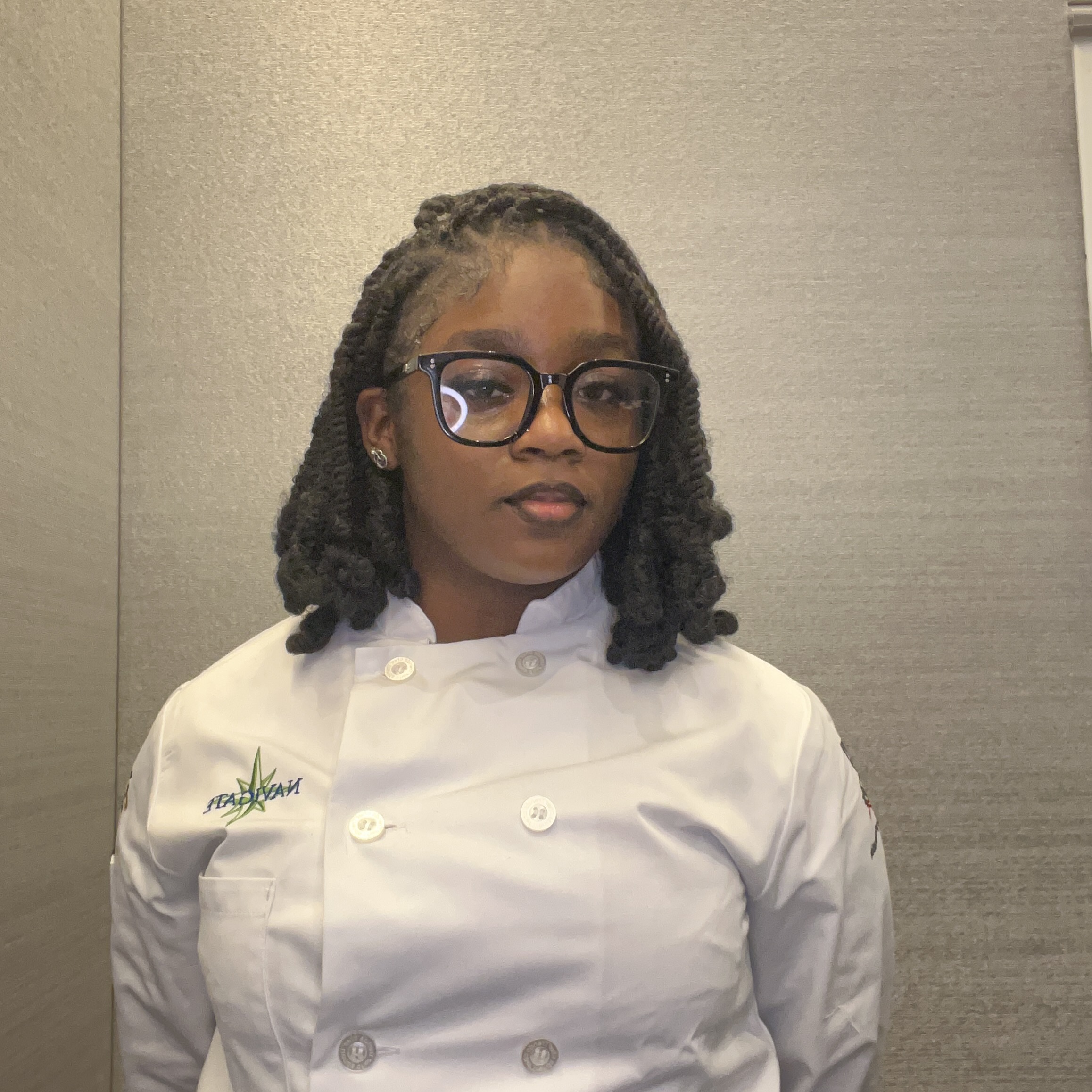
Laylah Covington
Decatur, Georgia
Growing up, the sounds outside my house weren't normal neighborhood noise, like kids playing or dogs barking. They were screeching tires, violent thuds, and sirens coming down the road. We lived on a street with a sharp curve right next to a steep embankment leading to a river. Whenever someone made a mistake around that turn, the stakes were huge. As a kid, I lost count of how many cars I watched out my window flying around that bend way too fast. Drivers would realize they messed up a second too late, yanking the wheel to fight the car's weight. Some skidded to a stop right on the river's edge, but others lost control completely, spinning off the asphalt and landing right on our front lawn. Cleaning up car parts and looking at deep tire tracks carved into our grass became a regular routine for us.
Watching those crashes was bad enough, but road trauma hit home because of my mom. Years ago, she was riding as a passenger when the people up front made a ridiculous decision: the driver tried to light a cigarette while steering, and the front passenger actually reached across to grab the wheel to help guide the car. In a second, the car spun out of control and flipped three times. Powered by pure shock and adrenaline, my mom managed to crawl out of the crushed metal and walk through the broken glass on the side of the road to find help. She made it home, but she still carries the physical scars today. Growing up looking at those scars was a constant reminder of how blessed she was to survive, and a reality check on how fast one moment of reckless distraction can ruin everything.
Seeing those accidents up close and living with my mom's story completely changed how I view driving. Now that I’m older and in the driver's seat myself, all of those memories hit me hard. To be real, driving scares me. When people speed around blind turns, check a text, or act like they can multitask behind the wheel, it usually comes from a fake sense of invincibility, assuming that because nothing went wrong yesterday, they can push their luck today. But that underlying fear I feel behind the wheel isn't just anxiety. It is a constant reminder of how razor thin the margin for error really is on the road.
That deep respect for the stakes is why driver education is so critical in reducing traffic related deaths. Reading a handbook or memorizing laws to pass a test isn't enough. Proper driver education bridges the gap between knowing the rules and understanding the actual physics and consequences of handling a vehicle. It strips away that illusion of invulnerability, teaching new drivers to anticipate hazards, manage distractions, and respect the power of the machine they are operating before a crisis happens on the asphalt.
Beyond classroom education, real structural steps can be taken to cut down on road fatalities. Communities need to invest in practical road design, like installing guardrails and clearer signage on high risk curves like the one outside my childhood home. On a personal level, reducing deaths requires holding ourselves and each other accountable. It means making simple, non negotiable choices: keeping the phone completely out of reach, refusing to drive fatigued or under the influence, and never letting passengers interfere with the person behind the wheel.
Beyond classroom education, real structural steps can be taken to cut down on road fatalities. Communities need to invest in practical road design, like installing guardrails and clearer signage on high risk curves like the one outside my childhood home. On a personal level, reducing deaths requires holding ourselves and each other accountable. It means making simple, non negotiable choices: keeping the phone completely out of reach, refusing to drive fatigued or under the influence, and never letting passengers interfere with the person behind the wheel.
To become a better, safer driver myself and help others do the same, I start with my own habits. I keep my driving environment quiet and focused, avoiding extra noise or multitasking so I can give the road my full attention. When riding with friends or family, I commit to being an active, supportive passenger, offering to handle navigation or music so the driver stays focused, and speaking up without hesitation if someone gets distracted or takes an unnecessary risk. Being a safe driver isn't just about avoiding a ticket. It is about recognizing that every single choice made behind the wheel can save a life.
Ultimately, driving is a shared responsibility where every decision carries weight. My goal as a driver isn't to pretend the fear isn't there, but to use it to stay sharp, patient, and focused. By taking what I learned from my family's story and making safety an everyday practice, I hope to show my peers that taking the wheel seriously isn't about being scared. It is about making sure everyone gets home safely at the end of the day.
Ultimately, driving is a shared responsibility where every decision carries weight. My goal as a driver isn't to pretend the fear isn't there, but to use it to stay sharp, patient, and focused. By taking what I learned from my family's story and making safety an everyday practice, I hope to show my peers that taking the wheel seriously isn't about being scared. It is about making sure everyone gets home safely at the end of the day.
Content Disclaimer:
Essays are contributed by users and represent their individual perspectives, not those of this website.