Beyond the Steering Wheel: Turning a Senior-Year Wake-Up Call into Safer Roads
2026 Driver Education Round 2
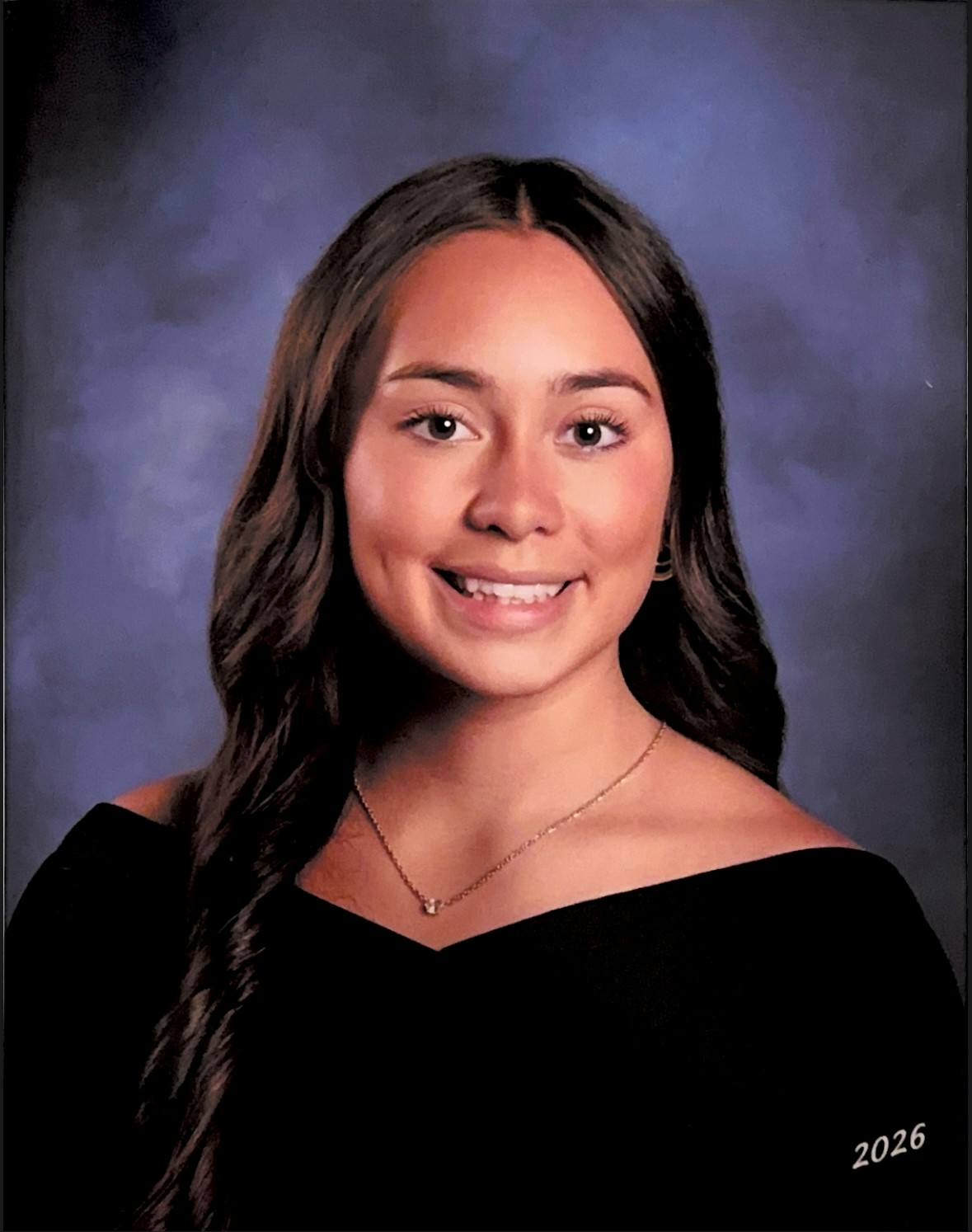
Gianna Almario
Broomall, PA
Driver education matters so much in preventing traffic deaths because driving is about far more than knowing how to press the gas pedal or steer into a parking spot. A lot of young drivers get behind the wheel feeling almost invincible, assuming serious crashes are just numbers in a textbook rather than something that could happen on a normal drive home. Good driver education closes that gap between basic car control and real risk awareness. When teenagers are still learning how to judge everyday hazards, thoughtful instruction shows them how fast a split second of mental drift, like daydreaming about school drama, big life changes, or weekend plans, can turn an ordinary trip into a close call or worse. It also pushes back against the habit of treating driving like background noise. When courses move past dry rules and shock-value scare tactics to highlight real human consequences, they help new drivers build genuine respect for the road, sharper awareness, and the maturity to stay present before something goes wrong.
Turning that classroom awareness into real habits behind the wheel, though, takes practical approaches that actually connect with how young people think. Formal lectures from authority figures or extreme scare tactics often make teenagers tune out, while peer-led storytelling workshops feel honest and relatable. When high school seniors or college students talk openly about everyday fallout, like an unexpected repair bill, climbing insurance rates, or the lingering nerves after a near-miss, other students realize distraction happens to regular people on routine drives. Bringing interactive driving simulators into high schools, community centers, and DMV offices also lets new drivers feel firsthand how slowly they react when they glance at a notification or skip a song. Pairing those simulators with real-world money breakdowns, like showing out-of-pocket repairs, deductibles, and long-term insurance increases, ties a split-second lapse directly to personal responsibility.
Beyond workshops and simulators, everyday tools and peer culture can make safe choices feel second nature. High schools and local youth groups can run safe-driving challenges using apps that track phone use while a car is moving, rewarding steady, phone-free driving with small perks like local shop discounts, gift cards, or better school parking spots. Making pre-drive habits routine, like turning on automatic "Do Not Disturb While Driving" settings before shifting out of park, takes away the urge to check a screen in the first place. At the same time, student-led pledges and simple passenger lines, like offering to handle GPS directions or answer a text, help shift social norms so speaking up to keep a friend safe feels supportive rather than awkward.
I know firsthand how much those peer conversations and everyday habits matter, because my own view of driving changed overnight during the final stretch of my senior year of high school. On what should have been an easy drive home after studying, my hands were on the wheel while my head was stuck in senior year drama, college plans, and the weekend ahead. That brief slip in focus ended with a sudden slam of the brakes, the awful crunch of colliding metal, a racing heart, and more than $4,000 in damage. Walking away without a scratch was a huge blessing, yet the repair bill and the weeks of tight-chested anxiety every time I merged onto a highway or hit the brakes suddenly forced me to grow up fast. Even beyond my own crash, seeing friends and peers drive casually, like letting their minds wander, speeding when running late, or reaching for a phone on quick errands, reminds me that unsafe driving rarely comes from bad intentions, and instead usually comes from underestimating how fast things can go sideways.
Getting past that wake-up call meant turning a painful mistake into a clear personal standard behind the wheel, one that still shapes how I drive and look out for others today. Before every trip, I stick to simple, non-negotiable rules, like putting my phone completely out of reach, turning on distraction blockers before putting the car in drive, leaving plenty of space behind the car ahead, and refusing to rush even when I am running behind. Staying calm and mentally locked in keeps my attention on the road instead of outside stress. Just as importantly, I try to bring that same sense of shared responsibility into every car I ride in by setting a steady example and speaking up easily as a passenger, like offering to run the GPS, reply to a message, or encourage a friend to ease off the gas when time is tight. Sharing honest stories about how fast a normal drive can change is one of the best ways to help others respect what is at stake on the road before a split-second distraction turns into a mistake that cannot be undone.
Content Disclaimer:
Essays are contributed by users and represent their individual perspectives, not those of this website.