Both Hands on the Wheel
2026 Driver Education Round 2
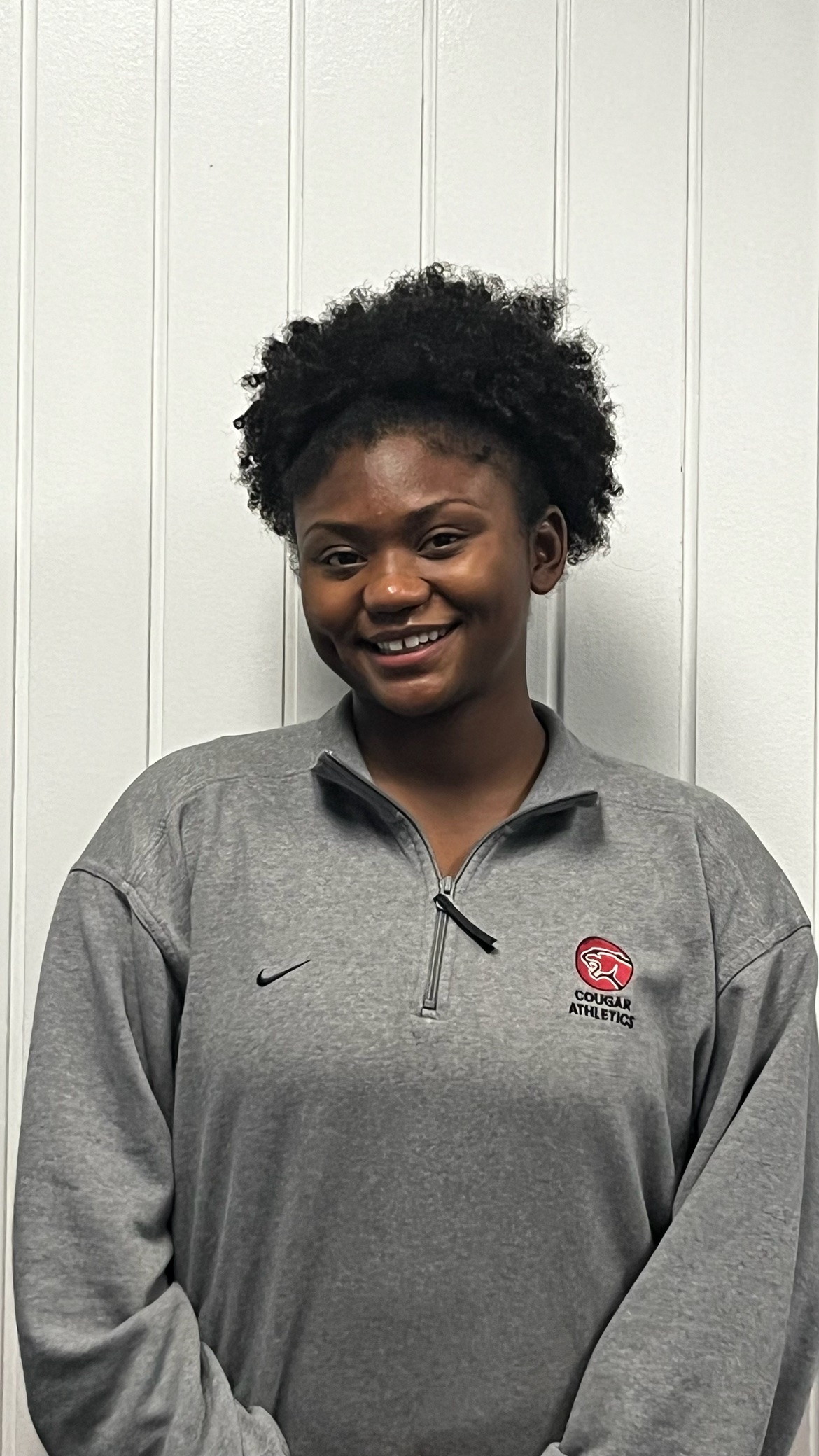
Amirah Abegesah
Gaithersburg, Maryland
It was just me and my dog in my parents' Lincoln Navigator. If you've never driven one, it's basically a giant box on wheels. It was pouring rain, and the on-ramp to the highway had a tight, curvy bend. I took it faster than I should have. Halfway through the curve, the truck started to hydroplane, and I felt the wheels on one side lift off the road. For a second, I wasn't driving anymore. I was just along for the ride. My heart was pounding, and my dog was sliding around in the back.
Somehow the tires caught the road again. I turned the music off, slowed way down, and drove the rest of the way home with both hands on the wheel, focused on nothing but the road. My dog still hasn't fully trusted me behind the wheel since that night. Honestly, I don't blame her.
The scary part is that I knew better. I knew wet roads are slippery. I knew you slow down before a curve, not in it. I knew a tall, heavy SUV doesn't handle like a small car. None of that was new. I just didn't respect it in the moment. And I think that's the truth about most crashes. They don't usually happen because people don't know the rules. They happen because people know the rules and decide, just this once, they don't apply.
That matters, because around 34,000 Americans die on the road every year. That's more than all the American soldiers killed in Iraq and Afghanistan combined. As a Division I wrestler, people assume the most dangerous thing I do is step on the mat. But the car is far more likely to hurt me than any opponent ever will.
That's why I believe driver's education is so important. Its real job isn't teaching what a yield sign means. It's building habits strong enough to hold up when you're tired, distracted, or in a hurry. And it should teach new drivers that the vehicle matters. Plenty of young drivers end up behind the wheel of whatever their family owns, whether it's a compact car or a full-size SUV, without anyone explaining how differently those handle in bad weather. I was one of them.
I see the same idea in my work. As a dental assistant, I'm certified in dental radiation safety. Every single time I take an X-ray, I follow the same steps: the lead apron, the right settings, the right positioning. Not because I'll forget what radiation is, but because the danger is invisible until it's too late. Skipping a step once doesn't feel risky, which is exactly what makes it risky. Driving is the same. The danger on that ramp was invisible to me until the exact second it wasn't.
Wrestling taught me this too. We drill the same moves hundreds of times so that when we're exhausted and under pressure, our body does the right thing without thinking. Driver's education should work like drilling. Checking mirrors, keeping a safe following distance, slowing down before curves, and putting the phone away should be so automatic that skipping them feels wrong.
College students face a lot of the same risks I did that night, plus a few more. Many of us just got real independence for the first time. We drive friends around late, we run on little sleep, and our phones are always buzzing. There's pressure to ride with a friend who's been drinking and swears they're fine, or to stay quiet when the driver is texting. Driver's education can't sit in the passenger seat with us forever, so the lessons have to stick before we need them. I think programs should spend more time on real situations: what to do if your car starts to hydroplane, how to tell when you're too tired to drive, what to say when you don't feel safe as a passenger, and how to plan ahead so you're never stuck without a safe ride.
Here's what I commit to. My phone goes on Do Not Disturb before I shift into drive, and in bad weather, the music goes off. I slow down before ramps and curves, not halfway through them. If I'm too tired, I wait or I pull over, because getting home late beats not getting home. Everyone in my car wears a seatbelt, no debate. I won't drive after drinking, and I won't ride with someone who has. And when I'm a passenger, I'll speak up even if it's awkward. My teammates and I travel together constantly, and I'd rather be the annoying one than the one who stayed quiet.
Being in the driver's seat means being responsible for more than yourself. It's your passengers, the people in the next lane, the kid on the sidewalk, and every family waiting for someone to come home. That night, my passenger was my dog, and she's still a little nervous when I grab the keys. That's fine with me. It reminds me to keep both hands on the wheel every time.
Content Disclaimer:
Essays are contributed by users and represent their individual perspectives, not those of this website.