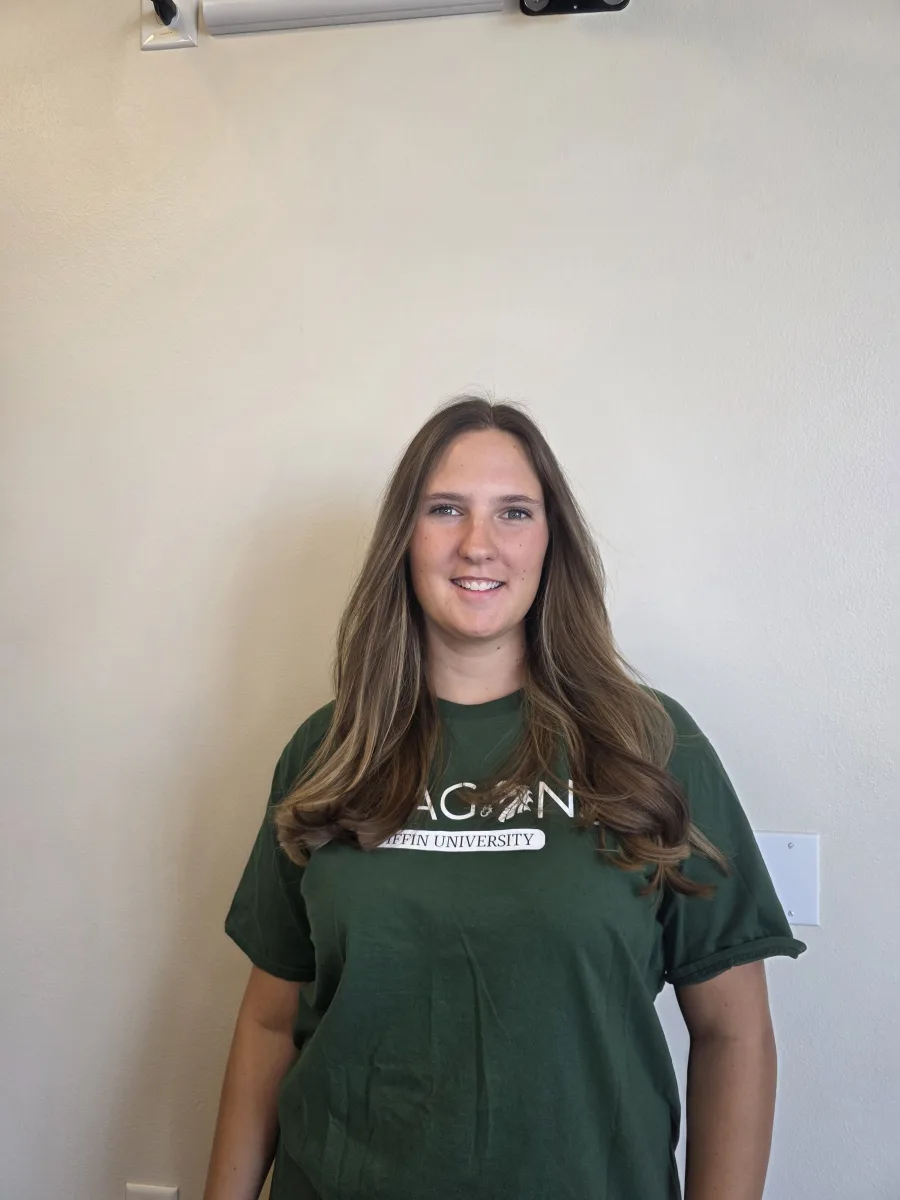
Drive Safe
2026 Driver Education Round 2

Sreshta Kantamneni
Seymour, CT
My workday does not begin when I knock on a patient’s front door. It begins when I put my nursing bag in the car, enter the first address into my GPS, fasten my seat belt, and pull out of the driveway. As a home health nurse, I repeat this routine several times a day, and spend many hours each week on the road. Driving may seem like a small part of nursing, but I have realized that before I can safely care for anyone else, I first must arrive safely myself.
There is a moment almost every home health nurse knows well: the GPS announces that you will arrive later than expected. Maybe the previous patient needed more time, traffic backed up, or finding parking took longer than planned. It can be tempting to think, “I can make up a few minutes on the road.” I remind myself that a patient waiting an extra five or ten minutes is far better than the possible consequences of speeding, following another vehicle too closely, or becoming distracted.
Spending so much time driving has also given me plenty of opportunities to see irresponsible driving. I have watched drivers weave through traffic, speed past other cars, follow inches behind another vehicle, and look down at their phones while moving. What concerns me is how normal some of these behaviors have become. A driver may believe that reading one message or speeding for a few miles will save time, but it only takes seconds for an ordinary trip to become a tragedy.
This is where driver education becomes so important. Learning to operate a vehicle is only one part of learning to drive. Driver education should teach people why speed limits, following distances, seat belts, traffic laws, and rules against impaired and distracted driving exist. It can also teach defensive driving and help newer drivers understand that they are responsible not only for themselves but also for passengers, pedestrians, cyclists, and everyone else sharing the road. Education cannot prevent every crash, but it can give drivers the knowledge to recognize risks before dangerous habits become routine.
Reducing driving related deaths also requires drivers to turn that knowledge into everyday decisions. Wearing a seat belt, never driving under the influence, putting the phone away, following speed limits, maintaining a safe distance, and adjusting for rain, snow, or poor visibility are simple choices that can prevent devastating outcomes. Drivers should also recognize when they are too tired, angry, distracted, or rushed to drive safely. Sometimes preventing an accident may be as simple as pulling over, waiting, or accepting that arriving late is better than not arriving at all.
That idea connects strongly with my nursing practice. Nurses are trained to prioritize safety even when we are busy. We verify medications, check patient information, assess fall risks, and slow down when something does not seem right. It would make little sense for me to carefully follow safety procedures in a patient’s home and then rush dangerously to my next appointment. I try to bring the same safety mindset I use as a nurse into the driver’s seat.
I also believe experienced drivers need education and reminders just as much as new drivers. Familiarity can create overconfidence. After driving the same roads hundreds of times, it becomes easy to believe we know what will happen next. We do not. We cannot predict the driver who suddenly brakes, a child entering the road, an unexpected patch of ice, or another person who is distracted.
Being a safer driver therefore begins with recognizing what I can control. I can leave enough time between appointments when possible, wear my seat belt, keep my phone out of my hands, maintain a safe following distance, obey speed limits, and adjust my driving to road conditions. I can also avoid allowing another driver's aggressive behavior to influence my own. If someone is tailgating or speeding, I do not need to respond by becoming an unsafe driver myself.
I can also help others by making safe driving normal rather than treating unsafe behavior as harmless. If I am a passenger and someone is texting while driving, I can offer to answer the message or handle the GPS instead. I can encourage family and friends not to drive after drinking and offer alternatives when needed. Most importantly, I can model the behavior I expect from others, because telling someone to drive safely means little if my own actions communicate something different.
Working in healthcare makes the consequences of unsafe driving especially meaningful to me. Nurses spend our careers trying to preserve health, independence, and quality of life, while one preventable crash can change all three within seconds. The consequences can continue long after damaged vehicles are removed from the road through hospitalization, rehabilitation, disability, financial stress, emotional trauma, and grief.
At the end of each home health visit, I pack my nursing bag, say goodbye to my patient, return to my car, and enter another address into the GPS. Somewhere ahead is another front door and another patient expecting their nurse. Around me are other drivers with people expecting them to arrive safely too. My nursing bag allows me to care for the person waiting behind the next front door, but being an educated and responsible driver helps make sure that all of us can reach the people waiting for us.
Content Disclaimer:
Essays are contributed by users and represent their individual perspectives, not those of this website.