Driver Education and the Responsibility to Keep Others Safe
2026 Driver Education Round 2
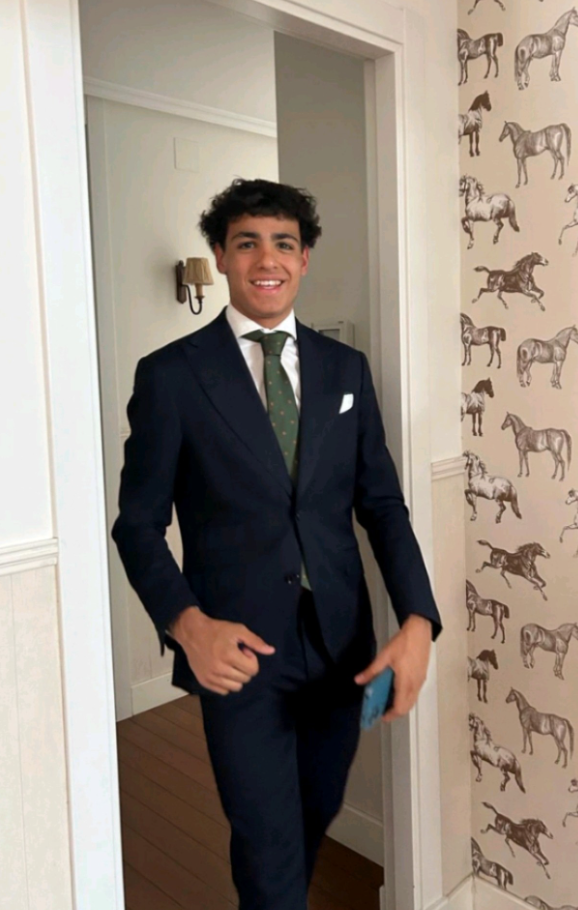
Rodrigo Garcia Marina
Caldwell, Idaho
I was nine years old when I saw a drunk person from another car punch my father in a parking lot. A member of my family had honked the horn, and that was enough for this person to come over and hit him. My father had done nothing to deserve it. It happened in a place where we should have been able to park, get out, and go on with our day. Instead, I watched someone hurt him over something so small. Years later, that moment still stays with me. I think about how easily a person can put others in danger when they mix alcohol with anger.
There was no car accident that day, and I cannot say how this person drove before arriving at the parking lot. I can only tell the part I experienced. Still, it is the first thing that comes to mind when I think about unsafe behavior around cars. Driving is not only about knowing how to steer, brake, and follow signs. The person behind the wheel is making choices every minute. If that person has been drinking or cannot control their temper, the danger does not disappear when the car stops moving. My family learned that in a way I wish we never had to.
That is why I believe driver education can save lives. Most people know that drinking and driving is wrong. The harder part is recognizing a bad decision before you make it, especially when you are tired, distracted, upset, or being encouraged by friends to take a risk. A class can make students stop and imagine those situations while they still have time to think clearly. It can teach them what alcohol does to judgment, why a few seconds looking at a phone matter, and how much space they need to stop safely. These are not just answers for a driving test. They are choices someone wil have to make when other people are in the car or nearby.
I would like driver education to spend more time on what happens when people get angry. A horn can mean many things. Maybe the driver did not see someone, maybe another car is too close, or maybe someone is trying to warn them about a danger. It should never become an excuse to threaten another person. When I was nine, I could not understand why such a short sound led to my father being punched. I understand now that the horn itself was not the problem. The person's reaction was. Learning to take a breath and move on may sound simple, but I have seen how much that choice can matter.
There are practical ways to reduce deaths on the road. Never drive after drinking, and help a friend make another plan if they have been drinking. Put the phone away before starting the car. Wear a seat belt, keep a safe distance, and slow down when the road or the weather makes it hard to see. If you are too tired to pay attention, stop and rest. I know these rules can sound obvious, but people break them because they convince themselves that one short trip or one quick glance will be fine. Driver education should challenge that thinking with real situations and practice, instea of expecting a list of rules to change behavior on its own.
It also matters what passengers and friends do. I do not want to stay quiet just because I might feel awkward asking someone to put their phone down or slow down. I would rather have an uncomfortable conversation than regret saying nothing. If someone has had too much to drink, there are better options than handing them the keys. I can offer to help find a sober ride. I can also be honest with myself: if I am upset and not ready to focus, I should wait before driving. Keeping people safe includes the decisions made before anyone starts the engine.
Playing college soccer has given me another way to think about this. Emotions can rise quickly during a game. You can disagree with a call or feel that someone treated you unfairly, but you still have to decide what to do next. When I coached younger players, I wanted them to know that one mistake did not define them and that they could talk about how they felt. On the road, people also make mistakes and feel frustrated. The difference is that losing control behind the wheel, or confronting someone near a car, can have consequences much bigger than a game. I want to be the person who calms a situation down, not the one who makes it worse.
I cannot change what happened to my father, and I do not pretend that taking a driving course would automatically have changed the person who hit him. But I do believe education gives people a better chance to recognize the moment when they need to stop, ask for help, or let something go. For my part, I can refuse to drive after drinking, pay attention instead of checking my phone, speak up as a passenger, and treat other people on the road with patence. I was nine when I learned that an ordinary trip can leave a lasting memory. I hope the choices I make now help someone else's family arrive home safely, with nothing frightening to remember.
Content Disclaimer:
Essays are contributed by users and represent their individual perspectives, not those of this website.