Driving Change: Responsibility Behind the Wheel and in Life
2026 Driver Education Round 1
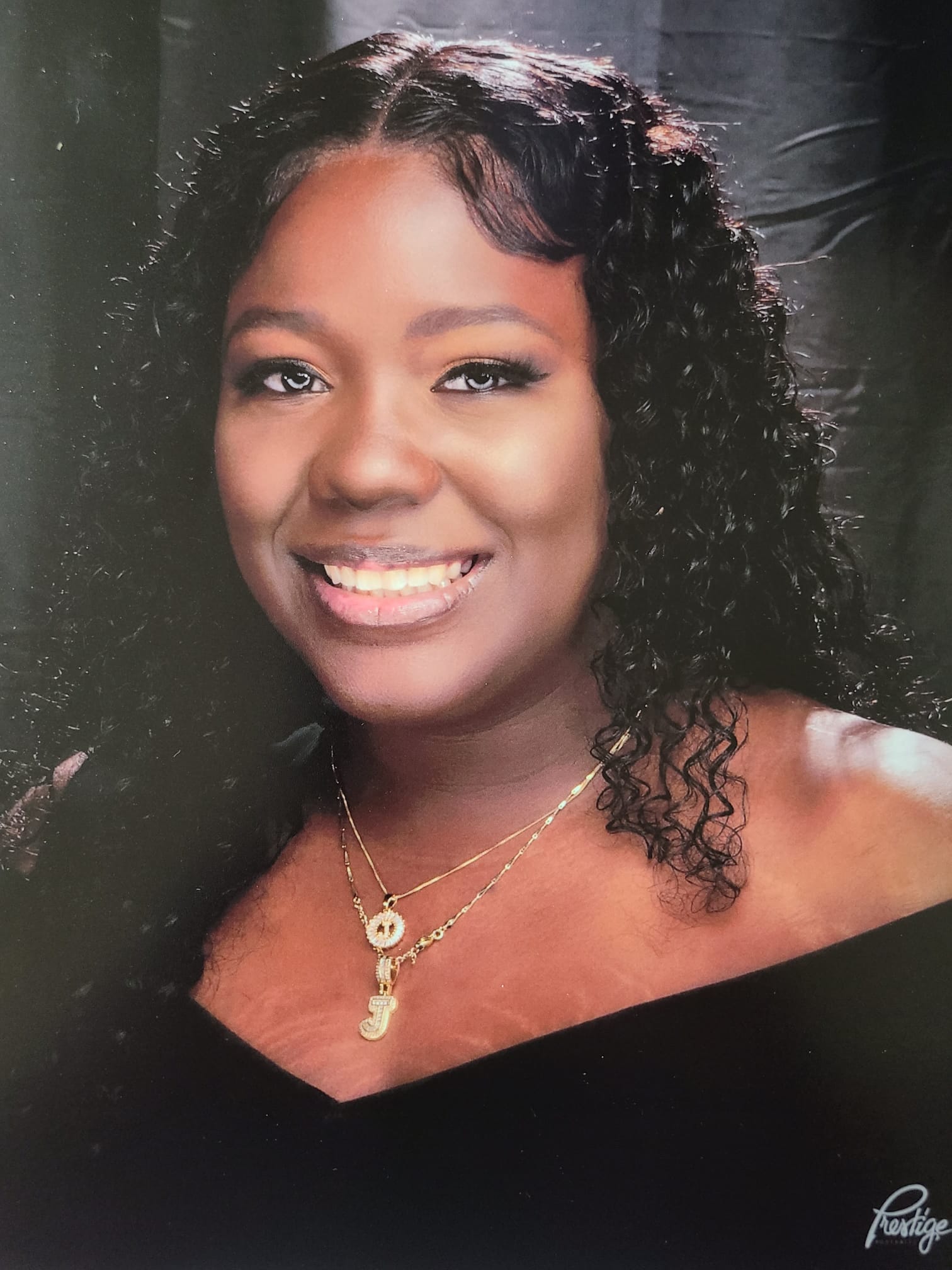
Jealyn Deloach
Albany, GA
Getting behind the wheel of a car for the first time is often celebrated as the ultimate milestone of personal independence. For many young people, it symbolizes freedom—the physical ability to go wherever the road leads without restriction. However, the moment my hands first gripped the steering wheel, I did not just feel a sense of liberation; I felt the heavy, undeniable weight of human responsibility. Driving is not merely a personal convenience or a private right; it is a shared social contract. Every turn of the wheel, tap of the brakes, and glance at the mirrors is a choice that directly impacts the safety and survival of everyone else sharing the road. As a first-generation college student, I have quickly learned that being in the driver’s seat of a vehicle is very much like being in the driver’s seat of my own future. Both require immense focus, constant vigilance, and the profound understanding that my actions set a precedent for those who look up to me.
To understand the sheer weight of this responsibility, one must look at the staggering statistics surrounding road safety. Every year, tens of thousands of lives are lost on American roads due to vehicular accidents—a tragic reality that is almost entirely preventable. This is where the profound importance of driver education becomes clear. Driver education is not just a preliminary hurdle to jump over in order to secure a plastic license; it is a vital shield against tragedy. Education transforms driving from an instinctual, often reckless habit into an informed, defensive practice. It teaches new drivers how to anticipate hazards, manage vehicle mechanics in adverse weather, and recognize the physical limits of stopping distances. Without a structured education, drivers are left to learn solely from their own mistakes—but on the highway, a single mistake can be fatal. Driver education drastically reduces traffic fatalities by replacing youthful overconfidence with preparation, ensuring that new drivers enter the roadway equipped with defensive strategies rather than ignorance.
Reducing the number of driving-related deaths requires a multi-faceted approach that goes beyond basic classroom training. First, we must address what is fundamentally wrong with our modern driving culture: distracted driving and passive passenger behavior. Despite widespread awareness campaigns, the temptation to check a text message, scroll through social media, or change a playlist while driving remains an epidemic on our roads. To combat this, we must advocate for technological barriers, such as utilizing automatic "Do Not Disturb" driving modes to completely remove the physical temptation from our reach. Furthermore, we must foster peer accountability. It is wrong to stay silent when you are a passenger in a dangerous vehicle. We must normalize speaking up. If a driver is speeding, tailgating, or looking at their phone, passengers must feel empowered to demand safe behavior. Silence in the passenger seat is a form of consent to danger.
My commitment to road safety is deeply personal, shaped by witnessing irresponsible driving firsthand. I have sat in the passenger seat of friends’ cars as they casually scrolled through notifications, their eyes drifting away from the asphalt for seconds at a time. In those terrifying moments, I realized how easily a split-second distraction could derail a promising future. This realization hit even closer to home when a family member was involved in a severe collision caused by a distracted driver running a red light. Thankfully, they survived, but the wreckage left behind was a sobering reminder that a car is a multi-ton machine capable of sudden destruction.
Seeing how quickly life can change on the road made me highly conscious of my role as a leader. As the first person in my family to attend college, I carry a unique responsibility. I do not have a pre-paved path to follow, so I am building the road as I drive it. Because of this, my younger siblings and community members look up to me. They watch how I handle challenges, how I prioritize my goals, and how I conduct myself. If they see me driving recklessly or treating safety guidelines as optional, they will believe that shortcuts and negligence are acceptable. Conversely, if they see me treating the road with respect—putting my phone completely out of reach, adhering to speed limits, and driving defensively—they learn that safety, discipline, and respect for human life are non-negotiable.
To keep myself and others safe, I pledge to always map my route before starting the engine, keep my phone out of reach, and speak up when others drive irresponsibly. However, navigating the financial road of higher education is a steep challenge. Balancing tuition, housing, and educational expenses as a self-funded, first-generation student is an incredibly heavy burden. This scholarship would provide crucial financial relief, helping to bridge the gap so I can focus entirely on my studies and my role as a leader. With your support, I can keep my eyes firmly on the road ahead, driving toward a safer, brighter future for myself and everyone who looks up to me.
Content Disclaimer:
Essays are contributed by users and represent their individual perspectives, not those of this website.